Why Arizona Is a Stargazer's Paradise in 2025
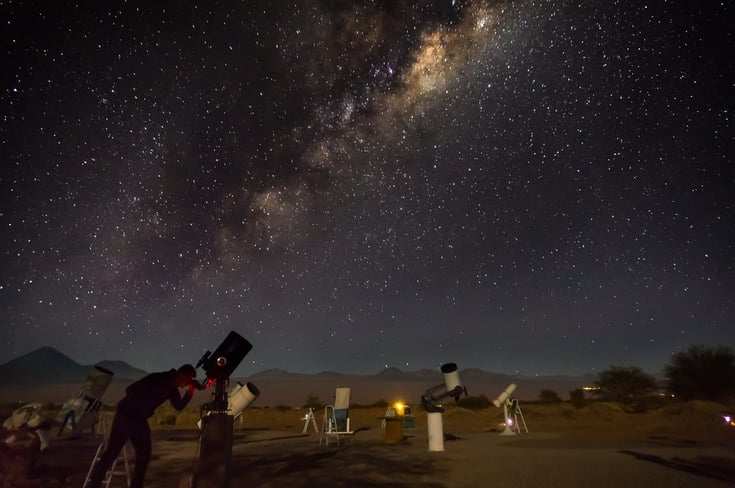
Arizona has earned its reputation as one of the premier stargazing destinations in North America, and for good reason. The state's unique geography, with its high desert elevations and commitment to preserving dark skies, creates ideal conditions for observing celestial wonders. The International Dark-Sky Association has certified 12 Dark Sky Places in Arizona, including 11 Dark Sky Parks and 1 Dark Sky Community, making the Grand Canyon State a leader in nocturnal sky protection.
Whether you're hoping to witness the Milky Way stretching across the horizon or seeking to explore distant galaxies through powerful telescopes, Arizona offers accessible locations for every skill level. From the famous observatories atop mountain peaks to remote desert parks far from city lights, the Copper State provides unparalleled opportunities to connect with the cosmos.
Arizona's Dark Sky Destinations: An Overview
The Dark Sky Movement has gained significant momentum in Arizona over the past decade. Organizations and communities throughout the state have implemented lighting ordinances and educational programs to reduce light pollution. This collective effort has resulted in exceptional viewing conditions across numerous locations, from the famous red rocks of Sedona to the ancient forests of Flagstaff's surrounding areas.
These designated Dark Sky Places represent Arizona's commitment to preserving natural night skies for future generations. Visitors to these locations can experience what our ancestors witnessed nightly – an unobstructed view of the Milky Way, thousands of stars, and occasional meteor showers that paint the darkness with streaks of light.
What Makes Arizona Ideal for Stargazing
- High elevation deserts with minimal atmospheric moisture
- Low population density in many regions creating natural dark zones
- Protected Dark Sky Parks and Communities with strict lighting regulations
- World-class observatories offering public access to sophisticated equipment
- Clear, dry climate providing excellent visibility throughout most of the year
Comparison of Arizona's Premier Stargazing Locations
| Location | Designation | Elevation | Key Features | Best For |
|---|---|---|---|---|
| Sedona | Dark Sky Community (2014) | Varies | Red rock backdrop, numerous viewing areas | Milky Way photography, beginners |
| Grand Canyon National Park | Dark Sky Park (2016) | 6,000-8,000 ft | 24-hour access, panoramic views | Dramatic landscapes, accessibility |
| Lowell Observatory, Flagstaff | Dark Sky Park | 9,000+ ft | Historic telescopes, 32-inch scopes | Serious astronomy, education |
| Kitt Peak National Observatory | Research Facility | 6,800+ ft | Multiple telescopes, panoramic desert views | Professional-grade viewing, workshops |
| Oracle State Park | Dark Sky Park (2014) | 4,500+ ft | 4,000-acre wildlife refuge | Solitude, wildlife viewing |
| Chiricahua National Monument | Dark Sky Park (2021) | 5,400 ft | Unique rock formations, volcanic history | Geology enthusiasts, photography |
| Walnut Canyon National Monument | Dark Sky Park (2016) | 6,700 ft | 350 ft canyon depth, ancient dwellings | History and astronomy combined |
| Petrified Forest National Park | Dark Sky Park (2018) | 5,400 ft | Over 200 miles from major cities | Ultimate darkness, remote experience |
Where to See the Milky Way in Arizona
Few experiences compare to witnessing the Milky Way arc across a pristine desert sky. Arizona's dark sky designations ensure that this cosmic spectacle remains visible to visitors throughout the state. Sedona, designated a Dark Sky Community by the International Dark-Sky Association in 2014, offers numerous locations where the galactic core becomes visible during optimal viewing seasons.
The Grand Canyon provides an extraordinary backdrop for Milky Way viewing, with the park's Dark Sky Park designation in 2016 ensuring minimal artificial lighting interferes with the celestial display. Visitors can experience the canyon floor at night, witnessing the river of stars reflected against ancient rock formations that have stood for millions of years.
Sedona Stargazing Highlights
Sedona's designation as an International Dark Sky Community reflects the city's ongoing commitment to preserving nocturnal environments. The area offers 19 documented stargazing locations, with the best spots accessible from Highway 89A and the scenic drives surrounding the town. Visitors should seek locations away from the main tourist areas, where artificial lighting from restaurants and hotels creates localized bright spots.
The combination of Sedona's distinctive red rock formations and dark skies creates photographic opportunities unavailable anywhere else in the American Southwest. Astrophotographers frequently cite the area's unique geological features as ideal foreground elements for Milky Way compositions.
Grand Canyon After Dark
Grand Canyon National Park remains open 24 hours daily, allowing visitors to experience the park's legendary landscapes under starlight. The 2016 Dark Sky Park designation formalized protections that had been informally maintained for years. Mather Point and Yaki Point offer convenient access to dark skies while remaining within the developed areas of the South Rim.
For those seeking darker conditions, the North Rim provides additional isolation, though seasonal closures affect accessibility. The park's elevation, ranging from approximately 6,000 to 8,000 feet, places visitors above much of the atmospheric haze that affects viewing at lower elevations.
Arizona's World-Famous Observatories
Arizona's astronomical heritage extends beyond protected parks to include some of the world's most significant research facilities. These observatories offer public viewing programs that provide access to equipment far beyond what amateur astronomers could typically access.
Lowell Observatory in Flagstaff
Lowell Observatory stands among the oldest operating observatories in the United States, founded in 1894 by Percival Lowell. The center's location at over 9,000 feet above sea level provides exceptional viewing conditions, with the facility's historic Clark Refractor having been used in 1896 to discover evidence of the expanding universe – a finding that fundamentally changed our understanding of cosmology.
Today, visitors can view through the observatory's impressive 24-inch and 32-inch telescopes during public viewing sessions. The combination of historic significance and modern equipment makes Lowell Observatory a must-visit destination for anyone interested in astronomy. The small mountain town of Flagstaff itself has embraced dark sky preservation, reinforcing the observatory's mission to protect the celestial view.
Kitt Peak National Observatory
Kitt Peak rises nearly 7,000 feet above sea level in the Sonoran Desert, offering breathtaking panoramic views alongside exceptional astronomical viewing. The mountain's isolation from major population centers has resulted in no recorded significant light pollution, providing conditions among the clearest available for ground-based astronomy.
The observatory complex houses multiple telescopes, with visitor programs that allow guests to observe through various instruments. During clear skies, visitors can expect to see over 3,000 individual stars, all eight planets in our solar system, and distant objects including galaxies and nebulae. Daytime programs include solar viewing, offering a complete astronomical experience regardless of visit timing.
Flandrau Science Center and Observatory
The Flandrau Observatory at the University of Arizona in Tucson features a 16-inch telescope available for public viewing on Friday and Saturday evenings. The observatory provides an accessible introduction to astronomy, with knowledgeable staff and volunteers available to guide visitors through observation sessions and answer questions about celestial objects.
This downtown Tucson location offers convenience for visitors staying in the city, though viewing conditions naturally differ from more remote locations. The observatory serves as both an educational resource and a gateway for newcomers to develop interest in deeper astronomical pursuits.
Remote Dark Sky Parks Worth Exploring
For visitors seeking the absolute darkest skies, Arizona's more remote Dark Sky Parks offer exceptional experiences far from any significant light pollution. These locations require additional planning but reward visitors with views impossible to achieve in more populated areas.
Chiricahua National Monument
Chiricahua National Monument, designated as the International Dark-Sky Association's 104th International Dark Sky Park globally in 2021, preserves one of Arizona's most distinctive landscapes. Approximately 27 million years ago, a massive volcanic eruption deposited ash that later eroded into the tall, thin rock formations visitors see today. These unusual formations create an otherworldly environment that enhances nocturnal photography opportunities.
The monument's remote location in southeastern Arizona ensures minimal light pollution, with the volcanic rock formations providing unique foreground subjects for astrophotography. Visitors should plan for limited services and prepare for mountain driving conditions.
Oracle State Park
Oracle State Park, designated an International Dark Sky Park in 2014, encompasses approximately 4,000 acres as a wildlife refuge far from major light sources. The small community of Oracle sits just over 30 miles north of Tucson, providing relatively easy access while maintaining excellent viewing conditions.
The park's designation as a wildlife refuge means visitors may encounter diverse Arizona fauna during evening programs and stargazing events. Regular dark sky programming provides structured opportunities for visitors to learn about astronomy while enjoying the park's preserved natural environment.
Walnut Canyon National Monument
Located roughly 10 miles southeast of Flagstaff, Walnut Canyon National Monument offers a unique combination of archaeological significance and dark sky preservation. The monument became a Dark Sky Park in 2016, with the canyon floor sitting approximately 350 feet below the rim at nearly 7,000 feet above sea level.
This elevation provides clear atmospheric conditions while the canyon walls create natural barriers against distant light sources. Ancient cliff dwellings add historical context to the stargazing experience, connecting visitors to the indigenous peoples who once inhabited this region and who shared the same night skies.
Other Designated Dark Sky Places
Arizona's commitment to dark sky preservation extends across the state with additional designated locations. Petrified Forest National Park, designated a Dark Sky Park in 2018, lies over 200 miles from major Arizona cities, providing exceptionally dark conditions. Pipe Spring National Monument earned its International Dark Sky Park status in 2021, while Wupatki National Monument received designation in 2016 alongside Walnut Canyon.
The Verde River Greenway State Natural Area offers a six-mile-long park alongside the Verde River covering nearly 500 acres. This riparian corridor provides different viewing characteristics than desert locations, with the river serving as a reflective element for night photography.
Estrella Mountain Regional Park, situated on the 20,000-acre Estrella Mountain property near Phoenix, provides accessible dark sky viewing for the metropolitan area's residents and visitors. While not as dark as remote locations, the park offers convenient access with viewing conditions far superior to urban environments.
Planning Your Arizona Stargazing Trip
Successful stargazing requires attention to timing, equipment, and preparation. The following guidelines will help maximize your celestial viewing experience in Arizona's dark sky destinations.
Best Times for Stargazing
Optimal viewing occurs during new moon phases when lunar illumination doesn't wash out fainter celestial objects. Summer months offer excellent Milky Way viewing, with the galactic core visible from May through October. Winter provides clearer atmospheric conditions and good viewing of prominent constellations, though temperatures can drop significantly at high elevations.
Checking weather forecasts remains essential, as Arizona's famous clear skies can occasionally produce atmospheric disturbances that affect viewing quality. Dust and humidity, even at low levels, can diminish visibility of distant objects.
Essential Preparation Items
- Red flashlight or headlamp to preserve night vision while navigating
- Warm clothing, as desert temperatures drop dramatically after sunset
- Comfortable seating for extended observation sessions
- Star chart or astronomy application for identifying celestial objects
- Binoculars for supplementary viewing between telescope use
- Water and snacks for remote locations
Frequently Asked Questions About Stargazing in Arizona
Can you see the Milky Way in Sedona?
Yes, Sedona offers excellent Milky Way visibility, particularly during new moon phases from spring through fall. The city's 2014 Dark Sky Community designation ensures reduced light pollution throughout the area, making Sedona one of Arizona's premier locations for viewing our galaxy's core.
How many Dark Sky Places does Arizona have?
Arizona hosts 12 officially designated Dark Sky Places by the International Dark-Sky Association, including 11 Dark Sky Parks and 1 Dark Sky Community. This concentration makes Arizona one of the states with the highest number of protected dark sky locations.
What is the best observatory to visit in Arizona for beginners?
Lowell Observatory in Flagstaff offers an excellent introduction to astronomy, with knowledgeable staff, historic significance, and access to quality telescopes. Flandrau Observatory in Tucson provides another accessible option with frequent public programs designed for visitors of all ages and experience levels.
Do I need a telescope to enjoy Arizona's dark skies?
No, significant visual experiences are possible with just your eyes. Under dark Arizona skies, thousands of individual stars become visible, the Milky Way spans the horizon, and occasional meteor showers provide dramatic displays. Binoculars enhance the experience without requiring the investment in telescope equipment.
What should I wear for stargazing at high elevations?
Temperatures at Arizona's Dark Sky Parks and observatories can drop significantly after sunset, even during summer months. Dress in layers and bring warm outerwear regardless of the season. Temperatures at 7,000 to 9,000 feet can fall below freezing during winter and spring months.
Are Arizona's Dark Sky Parks accessible year-round?
Accessibility varies by location. Grand Canyon National Park remains open 24 hours daily year-round. However, some locations, including the Grand Canyon's North Rim and portions of other parks, close seasonally. Check specific park status before planning winter visits to remote locations.
What makes Chiricahua National Monument special for stargazing?
Chiricahua National Monument's 2021 designation as an International Dark Sky Park reflects its exceptional viewing conditions and distinctive landscape. The volcanic rock formations created approximately 27 million years ago provide unique foreground subjects for astrophotography, while the remote location ensures minimal light pollution.