إحياء الغرب المتوحش: استعادة تراث رعاة البقر في أريزونا مع أريزونا شاتل


Understanding Arizona's Creative Communities Initiative

The Arizona Creative Communities Initiative (AZ CCI) represents a groundbreaking effort to foster artistic collaboration and sustainable creative economies across the Grand Canyon State. Nine dedicated teams formed the inaugural AZ CCI cohort, initially convening in 2017 and engaging in collaborative development for over two years. This initiative, supported by public arts funding through azarts.gov, has transformed how Arizona communities approach cultural development, moving beyond isolated artist studios toward interconnected creative ecosystems that benefit both practitioners and surrounding neighborhoods.

For travelers and locals alike, understanding these creative communities offers a window into Arizona's soul that goes far deeper than Grand Canyon vistas and desert landscapes. The AZ CCI podcast series, including episodes featuring Barrio Anita, Casa Grande, Douglas, and Eastlake, documents the stories of artists building lives and livelihoods throughout Arizona's diverse regions.

The AZ CCI Model: Collaboration Over Competition

What distinguishes the Arizona Creative Communities Initiative from traditional arts funding is its emphasis on systemic change. Rather than supporting individual artists in isolation, AZ CCI brings together teams representing different sectors—business owners, municipal leaders, nonprofit directors, and working artists—to collectively address the infrastructure needs of creative economies. The initiative recognizes that sustainable artistic communities require more than studio space; they need housing policies that allow artists to remain in neighborhoods they helped revitalize, business regulations that accommodate creative enterprises, and marketing strategies that position communities as cultural destinations.

The program's two-year engagement period allows participating communities to move beyond initial enthusiasm toward meaningful institutional change. Teams work through structured planning processes while receiving technical assistance from Americans for the Arts, which offers resources including advocacy toolkits developed during webinars preceding National Arts in Education Week. This methodical approach has produced measurable outcomes in communities ranging from urban Phoenix to rural Douglas, each adapting the AZ CCI framework to local conditions.

Phoenix: Urban Art Labs and Cooperative Studios

Central Phoenix has emerged as Arizona's most dynamic laboratory for experimental art practices, particularly in the corridor between 7th Street and 7th Avenue along Roosevelt Street. This stretch of historic Roosevelt Row has transformed from underutilized commercial blocks into a dense concentration of galleries, performance spaces, and artist-run venues that attract visitors from across the Southwest. The area's success stems partly from its walkability and partly from Phoenix's relatively affordable real estate, which allows creative enterprises to establish themselves in visible locations rather than retreating to industrial peripheries.

MonOrchid at 214 E Roosevelt Street, Phoenix, AZ 85004 exemplifies the collective spirit driving Phoenix's creative renaissance. This multi-purpose venue hosts rotating exhibitions, community events, and serves as a gathering point for the broader arts community. Its central location makes it accessible via Valley Metro light rail, with the Roosevelt/North Central station providing convenient public transit access for visitors without vehicles. The venue's programming reflects Phoenix's demographic diversity, featuring both established artists with regional and national recognition and emerging practitioners developing their first major exhibitions.

Mesa's Industrial Heritage Meets Contemporary Creation

Just fifteen miles east of downtown Phoenix, The Icehouse at 429 W Main Street, Mesa, AZ 85201, demonstrates how creative communities can repurpose industrial infrastructure for cultural purposes. This 1920s ice manufacturing facility now serves as Mesa's premier arts hub, demonstrating the adaptability that characterizes Arizona's approach to creative economic development. The building's robust construction and generous ceiling heights accommodate practices impossible in standard commercial spaces, while its historical character adds aesthetic value that new construction cannot replicate.

Over thirty artist studios operate within The Icehouse, ranging from intimate 150-square-foot spaces suitable for detailed work in media like illustration and jewelry to expansive workshops accommodating large-scale sculpture and metal fabrication. Monthly studio rentals at facilities like The Icehouse typically range from approximately $150 to $600, making professional workspace accessible to emerging artists who might otherwise work from cramped apartments or abandon their practice entirely. This affordability represents a deliberate strategy to retain creative talent within the regional economy.

Practical Art: Retail Meets Collective Production

Practical Art at 5070 N Central Avenue, Phoenix, AZ 85012, occupies a unique niche in Arizona's creative landscape by operating simultaneously as retail space and artist collective. Visitors encounter finished works available for purchase while observing makers engaged in production—hand-forged knives emerging from on-site blacksmithing, leather goods taking shape through traditional techniques, and custom jewelry reflecting individual artistic visions. This transparency distinguishes Practical Art from galleries featuring work produced elsewhere, allowing customers to understand the creative process and engage directly with practitioners.

The venue's success reflects Phoenix's broader embrace of the maker movement, which emphasizes tangible skill development and visible craftsmanship over purely conceptual or digital artistic practices. Educational programming at Practical Art includes workshops introducing traditional techniques to beginners, creating pathways for casual visitors to become serious practitioners while generating revenue that supports the collective's ongoing operations.

Southern Arizona: Tucson's Warehouse District and Beyond

Tucson's creative communities operate under different conditions than their Phoenix counterparts, shaped by the city's smaller scale, distinctive cultural heritage, and proximity to the Mexican border. The Tucson warehouse district, located near the intersection of Toole Avenue and 6th Avenue, contains the highest concentration of artist studios in Southern Arizona, drawing upon industrial buildings that became available as the city's commercial center shifted northward during the late twentieth century. Lower real estate costs compared to Phoenix have allowed Tucson's creative communities to develop with less pressure from gentrification, though changing market conditions now present new challenges.

MOCA Tucson (Museum of Contemporary Art Tucson) at 265 S Church Avenue, Tucson, AZ 85701 anchors the warehouse district while adjacent buildings house independent collectives that maintain autonomous programming. This relationship between institutional and artist-run spaces creates a healthy ecosystem where emerging practitioners can develop work before advancing to museum exhibitions, while established artists contribute to the community through mentorship and collaborative projects. The museum's commitment to regional art history alongside contemporary practice gives Tucson's creative community a sense of historical continuity often missing from newer art scenes.

The Hut: Fostering Emerging Artists in Tucson

The Hut at 260 E Congress Street, Tucson, AZ 85701 distinguishes itself through its commitment to fostering emerging artists and experimental practices that might not find support in more traditional venues. Located within walking distance of MOCA Tucson, The Hut provides exhibition opportunities to practitioners at early career stages while maintaining programming that challenges conventional boundaries between media and genres. This experimental orientation reflects Tucson's broader cultural identity, which embraces eccentricity and resists standardization.

For visitors exploring Tucson's creative communities, The Hut offers an accessible entry point where emerging voices present work alongside established practitioners. The venue's central location in the Congress Street corridor places it within walking distance of restaurants, hotels, and other amenities, making cultural exploration convenient for tourists who might otherwise require transportation between dispersed destinations.

Northern Arizona: Mountain Communities and Historic Towns

Arizona's creative communities extend far beyond the Phoenix-Tucson corridor into mountain towns and historic districts that offer distinctive atmospheres and demographic challenges. Flagstaff Arts Council at 118 W Route 66, Flagstaff, AZ 86001 coordinates with independent artist collectives throughout this mountain city of approximately 75,000 residents, providing resources, professional development, and promotional support that help maintain creative vitality in a community facing significant housing affordability challenges. The arts council's location on historic Route 66 connects Flagstaff's creative economy to broader narratives of American cultural history.

Flagstaff's elevation at approximately 7,000 feet and relatively mild summers compared to Phoenix attract artists seeking relief from desert heat while maintaining proximity to urban resources. However, winter weather and limited transportation options create barriers that the arts council addresses through programming designed to maintain community connections during low-tourism seasons. Digital fabrication resources shared among collectives help individual artists access equipment too expensive for independent purchase.

Jerome: Art Meets History on Cleopatra Hill

Jerome, the historic mining town perched on Cleopatra Hill at roughly 5,000 feet elevation, has reinvented itself as an artist community that blends visual arts with historical tourism. The Jerome Artists Cooperative at 502 Main Street, Jerome, AZ 86331 occupies a former bordello, adding layers of historical narrative to the artistic experience. Visitors ascending the steep grades from the Verde Valley encounter a townscape where galleries occupy buildings that once served the mining community's less respectable purposes, creating an atmospheric context unavailable in purpose-built art districts.

The cooperative operates as both gallery and studio space, allowing visitors to observe artists at work while browsing finished pieces available for purchase. This transparency characterizes Jerome's approach to creative economy, where the distinction between production and consumption blurs in ways that benefit both artists and tourists. Weekend visitors from Phoenix and Prescott support Jerome's creative economy, though the town's limited accommodations encourage day trips rather than extended stays.

Sedona: Arts in the Red Rocks

Sedona Arts Center at 15 Art Barn Road, Sedona, AZ 86336 provides studios and classes while connecting working artists with the substantial tourist market drawn to the region's distinctive geology. The arts center's programming balances commercial considerations—producing work that appeals to visitors—with genuine artistic development that serves practitioners at various skill levels. This dual focus reflects Sedona's unique position as both serious art market and mass tourism destination.

Accessing Sedona's creative offerings typically requires private vehicle transportation, as public transit options remain limited despite proximity to Interstate 17. The Artists' National Scenic Byway designation for portions of Highway 179 demonstrates official recognition of the relationship between Sedona's natural and cultural landscapes, encouraging visitors to understand artistic production as integral to the destination rather than incidental amenity.

Comparing Arizona Creative Communities: Costs and Considerations

For artists considering relocation or travelers planning creative tourism itineraries, understanding the practical differences between Arizona's creative communities helps inform decisions. Cost structures vary significantly between metropolitan and rural areas, with Phoenix studio spaces typically ranging from approximately $300 to $800 per month depending on size and amenities, while Tucson spaces often cost 20-30% less for comparable square footage. These differences reflect broader real estate market conditions that affect artists' ability to establish sustainable practices.

Community Primary Venue Typical Studio Cost Range Key Access Notes
Phoenix (Roosevelt Row) MonOrchid, 214 E Roosevelt St $$300-800/month Valley Metro light rail accessible
Mesa The Icehouse, 429 W Main St $$150-600/month 15 miles east of Phoenix downtown
Tucson (Warehouse District) MOCA Tucson, 265 S Church Ave 20-30% below Phoenix rates Walkable district near Toole Ave
Flagstaff Flagstaff Arts Council, 118 W Route 66 Varies by space US-180 and I-40 intersection
Jerome Jerome Artists Cooperative, 502 Main St Limited availability AZ-89A steep grades; day trip from Phoenix
Sedona Sedona Arts Center, 15 Art Barn Rd Premium pricing AZ-179 scenic drive; private vehicle needed

Practical Considerations for Creative Exploration

Planning visits to Arizona's creative communities requires attention to seasonal conditions that affect both travel comfort and artistic programming. Summer temperatures exceeding 110 degrees Fahrenheit create challenges for outdoor activities and affect indoor venue operations, as some spaces invest heavily in air conditioning while others rely on ventilation strategies that may prove inadequate during extreme heat events. Artists working with humidity-sensitive materials must carefully control their studio environments, adding operational costs that affect affordability calculations.

The AZ CCI's podcast series, including episodes covering Flagstaff, Globe, Tempe, Yuma, and partner organizations, provides deeper documentation of community-specific approaches to creative development. These episodes offer context difficult to capture in written guides, featuring conversations with practitioners discussing their motivations, challenges, and strategies for building sustainable creative lives in Arizona's diverse environments.

Digital Resources and Collective Tool Sharing

Digital fabrication tools—laser cutters, 3D printers, CNC routers—prove too expensive for individual artists to purchase and maintain but become reasonable investments for collectives to share. Many Arizona creative communities have established tool libraries or shared workshop facilities that lower barriers to digital fabrication while generating modest revenues supporting collective operations. These shared resources reflect broader trends in maker culture while addressing specific economic challenges facing individual practitioners.

For visitors interested in creative tourism, understanding these shared resources provides insight into how communities sustain artistic production beyond individual talent. The investment in communal equipment signals long-term commitment to creative economic development rather than temporary enthusiasm, helping distinguish communities with genuine creative infrastructure from those with surface-level gallery concentrations.

FAQ: Exploring Arizona's Creative Communities

What is the Arizona Creative Communities Initiative (AZ CCI)?

The Arizona Creative Communities Initiative is a program that supports collaborative development of creative economies across Arizona. Nine teams formed the inaugural AZ CCI cohort, initially convening in 2017 and engaging in structured planning for over two years. The initiative connects artists, business owners, municipal leaders, and nonprofit directors to collectively address infrastructure needs for sustainable creative communities.

How can I visit multiple creative communities in one trip?

Arizona's interstate and highway system connects major creative hubs efficiently. Phoenix serves as the primary transportation hub, with Interstate 10 connecting to Tucson (approximately two hours south) and Interstate 17 connecting to Flagstaff (approximately three hours north). Day trips to Jerome and Sedona work well from Phoenix, though Sedona benefits from overnight stays to fully appreciate evening programming and morning light on the red rocks.

Are Arizona's creative communities accessible by public transportation?

Accessibility varies significantly by location. Phoenix offers Valley Metro light rail and bus service that serve Roosevelt Row and other downtown creative districts. Tucson's Sun Link streetcar serves portions of its warehouse district. Rural communities like Jerome, Sedona, and Globe require private vehicles or organized tours. Visitors relying entirely on public transit should focus on Phoenix and Tucson, where creative destinations cluster in transit-accessible neighborhoods.

What should I expect when visiting artist studios?

Many Arizona artist studios welcome visitors during organized events like First Friday (Phoenix) and Fourth Friday (Tucson), when galleries and working studios open simultaneously. Some studios maintain regular open hours while others

Frequently Asked Questions

What is the Arizona Creative Communities Initiative (AZ CCI)?

The Arizona Creative Communities Initiative (AZ CCI) is a public funded program that brings together multi-sector teams—artists, business owners, municipal leaders, and nonprofits—to build sustainable creative economies across Arizona through long-term collaborative planning and technical assistance.

How do Arizona Creative Communities Initiative projects work?

AZ CCI selects nine inaugural teams that collaborate over a two-year period using structured planning processes. Teams receive technical assistance from Americans for the Arts, including advocacy toolkits, to address infrastructure needs like housing, regulations, and marketing for local creative economies.

Which Arizona communities are featured in the AZ CCI podcast series?

The AZ CCI podcast series highlights artists and creative revitalization efforts in several Arizona communities, including Barrio Anita, Casa Grande, Douglas, and Eastlake, documenting how each location adapts the initiative's framework to its local conditions.

How can visitors explore Phoenix's Roosevelt Row arts district?

Phoenix's Roosevelt Row arts district along 7th Street to 7th Avenue is accessible by Valley Metro light rail at the Roosevelt/North Central station. The walkable area features MonOrchid at 214 E Roosevelt Street, hosting rotating exhibitions, community events, and galleries showcasing experimental art practices.


Check Rates

AZ Shuttle Location, Phone and Hours

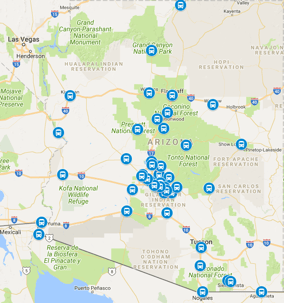
Airport Shuttle of Phoenix is right next to PHX Sky Harbor; this map shows you just how close we are

4600 E Washington St Ste 300

Phoenix, AZ 85034

(480) 710-3441 Reservations

Monday to Friday: 7:00 am - 5:00 pm

Saturday to Sunday: 7:00 am - 5:00 pm

You can also book online 24/7


Phoenix Shuttle from PHX Sky Harbor in Arizona

Door to Door, Any Address, Non-Stop on Your Schedule, #1 Shuttle and Car Service from PHX Sky Harbor International Airport in Phoenix

Check Rates

Posts by Tag