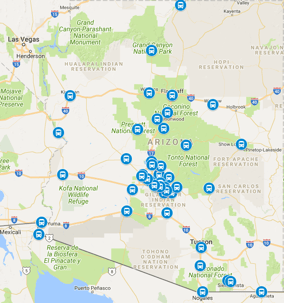
Driving from Phoenix to Tucson: Your Complete Route Guide
Traveling from Phoenix to Tucson is one of the most common journeys in Arizona, whether you're heading south for business, visiting family, or exploring the Sonoran Desert. The 115-mile drive takes approximately 1 hour and 45 minutes under normal traffic conditions, making it a manageable day trip or weekend getaway. This comprehensive guide covers everything you need to know about making the journey, from route options to points of interest along the way.
The Main Route: Interstate 10
The primary route between Phoenix and Tucson is Interstate 10, which runs directly between the two metropolitan areas. This four-lane highway offers the fastest and most straightforward connection, with well-maintained road conditions year-round. The interstate passes through several smaller communities, including Casa Grande, which serves as a common rest stop approximately halfway through the journey.
For most travelers, I-10 provides the most efficient path. The speed limit typically ranges from 65 to 75 mph depending on the segment, and rest areas are available at regular intervals. Gas stations, restaurants, and convenience stores are readily accessible at exit points throughout the route.
Alternative Route: State Route 387 and I-10
For those seeking an alternative to the direct interstate route, State Route 387 provides an option that passes through the agricultural areas near Casa Grande. This route runs parallel to I-10 for portions of the journey and may offer a more scenic drive through Arizona's farmland regions. However, this route adds distance and typically increases travel time, so it's best suited for those specifically wishing to avoid the interstate or explore rural Arizona.
Transportation Options Beyond Driving
Shuttle Services
Several shuttle companies operate regular service between Phoenix Sky Harbor International Airport and Tucson, providing door-to-door convenience for travelers without vehicles. These services typically operate on scheduled departures throughout the day and may offer stops at major hotels and transportation hubs. Advance reservations are generally recommended, especially during peak travel seasons and holidays when demand increases significantly.
Public Transportation: Arizona Coach
While Arizona's public transportation options between major cities are more limited than in some metropolitan areas, Greyhound bus service connects Phoenix and Tucson with multiple daily departures. The bus station in Phoenix is located downtown, while Tucson's station serves the central part of the city. This option provides an economical alternative for budget-conscious travelers, though journey times are longer than driving or shuttling.
Train Service: Amtrak Sunset Limited
Amtrak's Sunset Limited route includes stops in Tucson and Yuma, though it does not directly serve Phoenix. Travelers originating from Phoenix would need to arrange ground transportation to reach the Tucson station or connecting services. The train offers a relaxed travel experience with scenic views of the desert landscape, though schedules are less frequent than other options.
Flight Options: Phoenix to Tucson by Air
Several airlines operate flights between Phoenix Sky Harbor International Airport and Tucson International Airport, with the journey taking approximately 45 minutes in the air. While the flight time is brief, travelers should account for airport check-in procedures, security screening, and ground transportation at both ends, which typically results in a total travel time of 2-3 hours minimum. Air travel is generally most practical for business travelers with limited time or those connecting through Phoenix's major hub for onward flights.
Planning Your Phoenix to Tucson Drive
Best Times to Travel
weekday mornings between 6:00 AM and 9:00 AM typically see lighter traffic heading south from Phoenix, while afternoons after 3:00 PM may experience increased congestion as commuters return. Weekends generally see more leisure traffic, particularly during morning hours when day-trippers depart. Avoiding travel during major holidays, when Phoenix and Tucson residents visit each other's cities, can significantly reduce journey times.
What to Pack for the Trip
Regardless of the season, travelers should carry water bottles, especially during summer months when Arizona temperatures regularly exceed 100 degrees Fahrenheit. Sunscreen, sunglasses, and a phone charger are essential items. If traveling with children or pets, plan for rest stops at the various rest areas and welcome centers located along I-10. A physical map or atlas serves as a backup if GPS signals become unreliable in remote stretches.
Vehicle Preparation Tips
Before departing, ensure your vehicle has adequate fuel—gas stations are more spaced apart in rural sections between the two cities. Check tire pressure and fluid levels, particularly coolant during summer months. Having a spare tire in good condition and knowing how to change it provides peace of mind when traveling through less populated areas. Emergency supplies such as a flashlight, basic tools, and a first-aid kit are recommended additions to any road trip kit.
Things to See Along the Phoenix to Tucson Route
Pinal Pioneer Parkway
The stretch of I-10 between Casa Grande and Tucson passes through portions of the Sonoran Desert, offering views of distinctive saguaro cacti, volcanic rock formations, and the Gila River valley. Several scenic pullouts and rest areas provide opportunities to stretch your legs and photograph the distinctive desert landscape. The Pinal Pioneer Parkway, a designated scenic byway, recognizes the natural beauty of this corridor.
Casa Grande Prehistoric Ruins
Located near the town of Casa Grande, the Casa Grande Ruins National Monument preserves ancient Hohokam structures dating back approximately 1,000 years. The site features the remains of an enormous ball court and several adobe structures, offering insight into the sophisticated civilization that once inhabited this region. The monument makes an excellent stop for travelers interested in Arizona's pre-colonial history, with guided tours available throughout the day.
Tucson Mountain Park
As you approach Tucson from the northwest, Tucson Mountain Park encompasses thousands of acres of pristine desert landscape. This area includes popular hiking destinations, scenic drives through the desert, and the Arizona-Sonora Desert Museum, which showcases the unique flora and fauna of the Sonoran Desert region. Prices fluctuate based on demand, booking timing, and specific service providers. Contact providers directly for current pricing information.
Frequently Asked Questions About Phoenix to Tucson Travel
How far is the drive from Phoenix to Tucson?
The driving distance between Phoenix and Tucson is approximately 115 miles via Interstate 10. Under normal traffic conditions, the journey takes about 1 hour and 45 minutes. Traffic congestion in both metropolitan areas can extend this time, particularly during rush hours or around major holidays.
What is the best route to take?
Interstate 10 is the recommended route for most travelers, offering the fastest and most direct connection between the two cities. The highway is well-maintained with ample services available. State Route 387 provides an alternative for those wishing to avoid interstate travel, though it adds distance and time to the journey.
Are there rest stops along I-10 between Phoenix and Tucson?
Yes, rest areas are located at regular intervals along I-10, typically every 30 to 50 miles. These facilities include restrooms, vending machines, and picnic areas. Additionally, numerous cities along the route—particularly Casa Grande—offer full-service gas stations, restaurants, and convenience stores.
Can I take public transportation from Phoenix to Tucson?
Greyhound bus service operates between Phoenix and Tucson with multiple daily departures. While not as frequent as driving, this provides an economical option for travelers without vehicles. The bus journey takes approximately 2.5 to 3.5 hours depending on stops and scheduling.
What should I do if my car breaks down on the highway?
Arizona's Highway Patrol patrols I-10 regularly. If your vehicle becomes disabled, move it to the shoulder as far from traffic as possible, turn on hazard lights, and wait for assistance. Cell phone coverage is generally good along the interstate. Emergency call boxes are also located at intervals along the highway.
Is flying worth it for such a short distance?
For most travelers, flying is not practical for the Phoenix-Tucson route due to the time required for airport procedures and ground transportation at both ends. The total door-to-door travel time typically exceeds driving. However, business travelers with limited time or those connecting through Phoenix's major airport hub may find air travel worthwhile.
What is the most scenic way to travel between the cities?
The I-10 route through Pinal County offers views of the Sonoran Desert landscape, including saguaro cacti and desert mountain ranges. Casa Grande Ruins National Monument provides an educational stop with historical significance. As you approach Tucson, Tucson Mountain Park offers additional scenic opportunities before reaching the city.
Final Tips for Your Phoenix to Tucson Journey
Whether you're traveling for business, visiting loved ones, or exploring Arizona's diverse landscapes, the journey from Phoenix to Tucson offers a quintessential Sonoran Desert experience. Plan ahead by checking weather conditions, particularly during monsoon season from July through September when sudden storms can affect visibility and road conditions. During summer months, start your drive early in the day to avoid the hottest afternoon temperatures and ensure your vehicle's cooling system is functioning properly.
Consider making your trip part of the adventure by planning stops at landmarks along the route. The Casa Grande Ruins provide fascinating historical context, while the rest areas and pullouts offer opportunities to appreciate Arizona's unique desert environment. With proper preparation and an understanding of your transportation options, the Phoenix to Tucson journey becomes more than just a drive—it becomes an introduction to the beauty and history of the Sonoran Desert region.