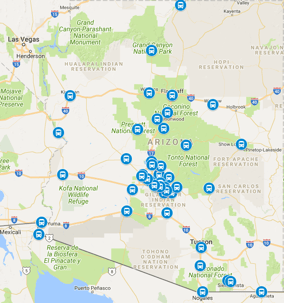
Suppose you're interested in exploring Arizona's unique and diverse wildlife but need transportation. In that case, the Arizona Shuttle is a convenient and affordable way to access some of the state's most amazing wildlife viewing areas. Here's a guide to a few of the best spots for wildlife watching in Arizona and how you can reach them with the help of Arizona Shuttle. Shuttle from Phoenix to Tucson
Spotting the Arizona Desert Tortoise
The Arizona desert tortoise is an iconic and threatened species in the state's desert regions. Head to the Tortolita Mountains or the Sonoran Desert National Monument to see one of these fascinating creatures in the wild. Arizona Shuttle offers service to both locations, making it easy to get a closer and personal look at these gentle giants. Planning this trip? Door-to-door service is available on our Phoenix to Glendale shuttle service page.
Encountering the Mexican Gray Wolf
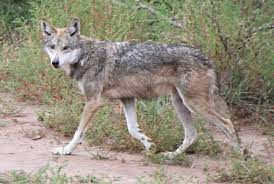
It is a critically endangered species found in several wilderness areas in Arizona, including the Apache-Sitgreaves National Forest and the Gila Wilderness. Consider taking a guided tour to increase your chances of seeing one of these elusive animals. Arizona Shuttle can provide transportation to several reputable wildlife tour companies in the area. Traveling to Lake Havasu
Meeting the Gila Monster
The Gila monster is a venomous lizard found in several locations throughout Arizona, including the Sonoran Desert and the Saguaro National Park. While these creatures are fascinating to observe, keeping a safe distance is essential as they are venomous. Arizona Shuttle offers service to both areas, so you can see a Gila monster up close and personal without worrying about driving.
Other Wildlife Viewing Opportunities
In addition to these iconic species, Arizona is home to much other fascinating wildlife, including bighorn sheep, black bears, and various bird species. Transportation to Grand Canyon To access some of the best wildlife viewing areas in the state, consider taking the Arizona Shuttle to locations such as the Chiricahua Mountains or the Grand Canyon. transportation to Grand Canyon With a tiny bit of luck and patience, you will surely see some fantastic creatures in their natural habitats.
Suppose you're interested in experiencing the incredible wildlife of Arizona but need transportation. In that case, the Arizona Shuttle is a convenient and reliable way to access some of the state's best wildlife viewing areas. From desert tortoises to Mexican gray wolves, there are countless opportunities to see amazing animals up close and personal. So why wait? Book your Arizona Shuttle trip today and get ready to discover the fantastic wildlife of the Grand Canyon State.
Frequently Asked Questions
What's the best place to see Arizona Desert Tortoises?
You can spot them in the Tortolita Mountains or Sonoran Desert National Monument. Arizona Shuttle offers convenient transportation to both locations.
How can I encounter Mexican Gray Wolves?
Consider taking a guided tour in areas like Apache-Sitgreaves National Forest or Gila Wilderness; Arizona Shuttle can transport you to reputable wildlife tour companies.
Is it safe to get close to the Gila Monster?
While fascinating, keep a safe distance as they are venomous. You can view them safely in places like Saguaro National Park with Arizona Shuttle's transportation.
What other wildlife can I see besides desert tortoises and Mexican gray wolves?
Arizona is home to bighorn sheep, black bears, and various bird species. Use Arizona Shuttle to access viewing areas like the Chiricahua Mountains or Grand Canyon.
Best Seasons for Wildlife Watching in Arizona
Arizona's wildlife is active year-round, but each season rewards different animals. Winter (November through February) is prime time for sandhill cranes, raptors, and desert bighorn sheep, thanks to mild desert temperatures. Spring brings desert tortoises out of their burrows after winter rains, along with blooming cactus that draws hummingbirds and other pollinators. Summer is best in the state's high country — the pine forests around Flagstaff, the White Mountains, and the Chiricahua Mountains offer cool-weather wildlife like elk, black bears, and a huge variety of songbirds. Fall is an excellent all-around choice, with migrating birds moving through riparian corridors and larger mammals becoming more visible as temperatures drop. Whatever the season, plan to be out at dawn or dusk, when most Arizona species are most active.
More Must-Visit Wildlife Watching Destinations
Whitewater Draw Wildlife Area — Sandhill Cranes
If you've never watched thousands of sandhill cranes descend on a wetland at sunrise, put Whitewater Draw Wildlife Area near McNeal in southeastern Arizona on your list. The site is reached off Highway 191 south of Willcox, and the Arizona Game and Fish Department maintains viewing platforms and boardwalks along the cranes' wintering habitat. Cranes typically arrive in late fall and stay through winter, feeding in nearby fields and returning to the roost midday. It's one of the most reliable and dramatic wildlife spectacles in the entire Southwest.
Ramsey Canyon Preserve — Hummingbird Capital
Southeastern Arizona's "sky islands" — forested mountain ranges rising abruptly from desert floor — are world-famous among birders. The Nature Conservancy's Ramsey Canyon Preserve, off Highway 92 south of Sierra Vista, is a showcase for hummingbird diversity, along with trogons, deer, and other canyon wildlife. The creek-side trail is shaded and moderate in difficulty. Note that the preserve is typically open on set days and hours, so check The Nature Conservancy's website before you go.
San Pedro Riparian National Conservation Area
Managed by the Bureau of Land Management between Sierra Vista and Benson, the San Pedro Riparian National Conservation Area protects one of the last major free-flowing rivers in the Southwest. Its cottonwood-willow forests attract hundreds of bird species, making it a stop on many birder itineraries, and javelina, coyotes, and deer are regularly seen along its trails. Access points include the San Pedro House east of Highway 90.
Kofa National Wildlife Refuge — Desert Bighorn Sheep
The Kofa National Wildlife Refuge, between Quartzsite and Yuma along U.S. Highway 95, was established largely to protect desert bighorn sheep, and the rugged Kofa Mountains remain one of the best places in the state to look for them. Bring binoculars, plenty of water, and a high-clearance vehicle for the dirt access roads — or let a shuttle drop you at the highway-adjacent trailheads.
California Condors at Grand Canyon National Park
California condors, reintroduced to the region at Vermilion Cliffs in the 1990s, can often be spotted soaring over the Grand Canyon's South Rim, particularly near Lookout Studio and Mather Point. With wingspans approaching nine and a half feet, they're unmistakable. Combine condor watching with the canyon's elk, mule deer, and abundant ravens for a full day of wildlife viewing.
Arizona Wildlife Watching Spots at a Glance
| Location | Signature Wildlife | Best Season | Nearest Highway / Access |
|---|---|---|---|
| Whitewater Draw Wildlife Area | Sandhill cranes, waterfowl, raptors | Winter (Nov–Feb) | Off Hwy 191 south of Willcox |
| Ramsey Canyon Preserve | Hummingbirds, trogons, canyon wildlife | Spring–Fall | Hwy 92 south of Sierra Vista |
| San Pedro Riparian NCA | Hundreds of bird species, javelina, deer | Year-round; best in migration | Hwy 90 between Benson and Sierra Vista |
| Kofa National Wildlife Refuge | Desert bighorn sheep | Winter | U.S. Hwy 95 between Quartzsite and Yuma |
| Grand Canyon South Rim | California condors, elk, mule deer | Year-round | AZ-64 / US-180 from Flagstaff |
| Saguaro National Park | Gila monsters, desert tortoises, roadrunners | Spring | Tucson — Speedway Blvd (west) / Old Spanish Trail (east) |
Tips for Responsible and Successful Wildlife Viewing
Keep Your Distance
Use binoculars or a zoom lens instead of approaching animals. If an animal changes its behavior because of you, you're too close. This is especially important with venomous species like the Gila monster and with protective mothers such as female elk and javelina with young.
Go Early, Stay Quiet
Most desert and forest species are crepuscular — active at dawn and dusk. Arrive before sunrise, move slowly, and keep conversation to a whisper. Silence dramatically increases your odds.
Pack for the Desert
Bring more water than you think you'll need (roughly a liter per hour of hiking in hot weather is a common recommendation from Arizona agencies like the Arizona Game and Fish Department), sun protection, and sturdy shoes. Cell service is unreliable in remote areas such as the Kofa Refuge and portions of the Sonoran Desert National Monument.
Never Feed Wildlife
Feeding animals — even seemingly harmless acts like tossing crumbs to birds or squirrels — alters natural behavior and can be dangerous for both animals and people. In national parks, it's also against the rules.
Frequently Asked Questions About Arizona Wildlife Watching
When is the best time of year to see wildlife in Arizona?
Every season works somewhere in the state. Winter is ideal for sandhill cranes at Whitewater Draw and bighorn sheep in the Kofa Mountains; spring is best for desert tortoises and desert blooms; summer is perfect for high-country wildlife around Flagstaff and the Chiricahua Mountains; fall brings bird migrations along riparian corridors like the San Pedro River.
What animals is Arizona most famous for?
Arizona's most iconic wildlife includes the desert tortoise, Gila monster, Mexican gray wolf, desert bighorn sheep, javelina, California condor, and an exceptional variety of hummingbirds in the southeastern sky islands.
Do I need a guide to see wildlife in Arizona?
Not necessarily — places like Saguaro National Park, the Grand Canyon's South Rim, and Whitewater Draw are easy to visit independently. However, a guided tour significantly improves your chances with elusive species like the Mexican gray wolf, since local guides know recent activity areas and reading sign.
Is it safe to hike and watch wildlife in Arizona alone?
Generally yes, if you take basic precautions: carry ample water, tell someone your itinerary, avoid remote dirt roads without a suitable vehicle, and give all wildlife — including rattlesnakes and Gila monsters — plenty of space. Most animals will avoid you if you let them.
Where can I see sandhill cranes in Arizona?
Whitewater Draw Wildlife Area near McNeal, in southeastern Arizona's Sulphur Springs Valley, is the state's best-known crane viewing site. Visit between roughly November and February, ideally at sunrise or midday when cranes return to the roost.
Can I see a Gila monster without visiting the wild?
Yes. If you want a guaranteed look, facilities like the Arizona-Sonora Desert Museum in Tucson display Gila monsters and other native species in naturalistic habitats — a great backup plan if wild reptiles stay hidden during your visit.
How do I get to these wildlife areas without a car?
Arizona Shuttle provides service connecting Phoenix and Tucson with many gateway communities, and door-to-door options can get you to trailheads, preserves, and tour operators throughout the state — so you can focus on wildlife instead of navigating.