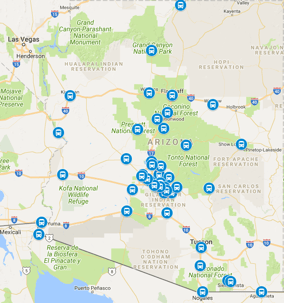
Arizona has a long and colorful history; its ghost towns are a testament to the state's fascinating past. These abandoned towns may be empty now, but they are filled with history and offer a glimpse into a time long gone. With Arizona Shuttle, you can easily explore these ghost towns and discover the eerie charm of Arizona's Wild West. Here is a guide to some of the best ghost towns in Arizona:
Jerome
Jerome was once a rising copper mining town and is now one of Arizona's most famous ghost towns. Jerome transportation guide Jerome transportation guide Visitors can explore the town's historic buildings, including the old jail and the Douglas Mansion, now a museum. On a steep hillside in the Black Hills, Jerome offers breathtaking views of the Verde Valley.
Tombstone
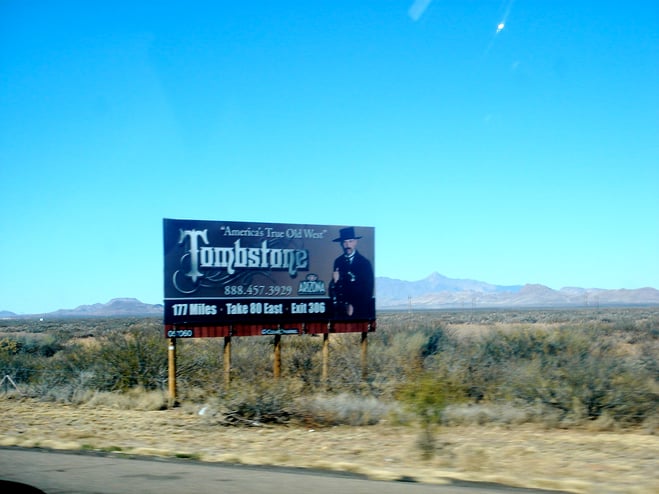
No list of Arizona's ghost towns would be complete without Tombstone. This iconic town was once a booming silver mining town home to famous characters like Wyatt Earp and Doc Holliday. Visitors can take a step back and experience the Wild West through reenactments and tours of historic buildings like the Bird Cage Theatre.
Tombstone travel tips Tombstone travel tips
Ruby
In the Santa Cruz River Valley, the ghost town of Ruby is a well-preserved example of a turn-of-the-century mining town. Visitors can explore the town's old schoolhouse, post office, and general store and even walk through the town's cemetery.
Vulture City
Vulture City was once a thriving gold mining town, and now it is a well-preserved ghost town that offers a fascinating look at life in the Wild West. Vulture City access options Vulture City access options Visitors can tour the historic buildings and learn about the town's history and the people who lived there.
Getting There with Arizona Shuttle
With Arizona Shuttle, getting to these ghost towns is easy and hassle-free. The shuttle service provides safe and reliable transportation to some remote ghost towns mentioned in the blog. Additionally, Arizona Shuttle can offer tips and recommendations for the best ghost towns in Arizona. Book your shuttle ride today and discover Arizona's Wild West ghost towns.
Arizona's ghost towns are a testament to the state's rich history and offer a glimpse into the past. With Arizona Shuttle, visitors can enjoy a hassle-free and comfortable trip to these off-the-beaten-path destinations and explore the unique charm and character of Arizona's ghost towns. Arizona Shuttle can provide safe and convenient transportation to some of Arizona's most fascinating ghost towns, allowing visitors to experience the state's rich history and culture. The shuttle can also offer helpful tips and information on the best ghost towns in Arizona and insights into the local culture and history. Book your shuttle ride today and start your adventure.
Frequently Asked Questions
Can I visit the Douglas Mansion in Jerome?
Yes, you can explore the Douglas Mansion in Jerome, which is now a museum.
What kind of reenactments happen in Tombstone?
In Tombstone, visitors can experience Wild West reenactments featuring famous characters like Wyatt Earp and Doc Holliday.
Is Ruby's cemetery open to the public?
Yes, you can walk through the well-preserved town of Ruby's cemetery, offering a glimpse into its past.
How accessible is Vulture City for visitors?
Vulture City is well-preserved and offers easy access to tour historic buildings and learn about its history.
Ghost Town Conditions: What State of Repair to Expect
Before you point the car down an old mining road, it helps to understand that "ghost town" is a loose label in Arizona. According to Wikipedia's list of Arizona ghost towns, these sites range from fully preserved historic attractions to barren patches of desert where only foundations remain. Some, like Vulture City, still stand with recognizable structures such as its 1881 Assay Office, while others have been neglected for decades, submerged beneath reservoirs, or absorbed into modern communities. Knowing the condition of a townsite before you go is the single best way to avoid a wasted drive.
Most Arizona ghost towns fall into one of four general categories: preserved or restored sites you can tour, neglected sites with a few standing walls, semi-abandoned towns where a handful of residents still live, and barren or submerged locations where little or nothing is visible. The comparison table below sorts the most visited destinations by condition and access.
More Arizona's Ghost Towns Worth the Drive
Jerome, Tombstone, Ruby, and Vulture City get most of the attention, but Arizona's mining districts left behind dozens of other settlements. Here are additional townsites that reward travelers willing to venture beyond the famous four.
Fairbank
Fairbank sits along the San Pedro River near State Route 82, between Tombstone and the Sonoita area. It began as a railroad settlement serving the silver mines of Tombstone, and today it is maintained as a historic townsite by the Bureau of Land Management. Visitors can walk among the surviving buildings and follow trails toward the river, making it one of the easiest authentic ghost towns to reach from southeastern Arizona's main highway corridors.
Gleeson
A short drive from Tombstone in Cochise County, Gleeson was a mining camp that produced copper, silver, and lead. A handful of structures, including the old jail, still stand, and the site makes an easy add-on to a Tombstone itinerary for travelers exploring the historic towns of the region by car.
Charleston
Charleston, a former mill town for the Tombstone mines along the San Pedro River, is maintained by the Bureau of Land Management. Unlike preserved towns, Charleston is a neglected site where visitors walk among foundations and scattered ruins, so bring sturdy footwear and plenty of water.
Swansea
Swansea is one of Arizona's most atmospheric preserved mining town sites, reached via a dirt road off State Route 72 in the western desert. The settlement is managed by the Bureau of Land Management, which protects the remnants of the smelter, homes, and railroad bed that once supported this isolated copper camp.
Cerbat
Tucked in a canyon off US 93 northwest of Kingman in Mohave County, Cerbat was a gold, silver, and copper mining town. It is a neglected site today, with a few surviving structures, and the narrow canyon drive itself is part of the experience for travelers heading between Phoenix and Las Vegas on the US 93 corridor.
Cherry
Cherry in Yavapai County is a semi-abandoned site that Wikipedia describes as a former mining town now home to a small retirement community. Because people still live there, visitors should treat it as a quiet residential historic area rather than a commercial attraction.
Castle Dome
Near Yuma, the Castle Dome district is home to the Castle Dome Mines Museum, a historic site where travelers can see restored buildings and mining artifacts from a district that dates back to 1869. It is one of the few ghost town destinations in far southwestern Arizona and pairs well with a trip along the Colorado River.
Bumble Bee and Alamo Crossing
Bumble Bee, just off Interstate 17 in Yavapai County, is a privately owned semi-abandoned site with a few residents, best admired from public vantage points. Alamo Crossing, by contrast, is submerged beneath Alamo Lake in Mohave County — a reminder that some of Arizona's lost towns now lie underwater, accessible only to divers and remembered through historical markers.
Goldfield
Goldfield, at the base of the Superstition Mountains near Apache Junction on US 60, is a reconstructed mining town attraction rather than an untouched ruin. It offers mine tours, period buildings, and Old West entertainment, making it the most family-friendly introduction to Arizona's gold-mining past — and one of the closest to Phoenix, roughly an hour's drive toward the Canyon Lake junction.
Arizona Ghost Towns at a Glance: Comparison Table
| Ghost Town | County / Area | Condition | Access & Highlights |
|---|---|---|---|
| Vulture City | Near Wickenburg | Preserved | Toured historic buildings, including the 1881 Assay Office |
| Fairbank | Cochise County | Historic townsite | BLM-managed; near SR-82 and the San Pedro River |
| Charleston | Cochise County | Neglected | BLM-maintained ruins along the San Pedro River |
| Swansea | Western Arizona | Preserved ruins | BLM-managed; dirt road off SR-72 |
| Cerbat | Mohave County | Neglected | Canyon site off US 93; few remaining structures |
| Castle Dome | Near Yuma | Historic site | Castle Dome Mines Museum; 1869-era mining district |
| Cherry | Yavapai County | Semi-abandoned | Former mining town, now a small residential community |
| Bumble Bee | Yavapai County | Semi-abandoned | Privately owned; view from the road off I-17 |
| Alamo Crossing | Mohave County | Submerged | Beneath Alamo Lake; visible only via the lake area |
| Goldfield | Near Apache Junction | Reconstructed | Operating attraction on US 60 at the Superstition Mountains |
Ghost Town Picker: Match a Town to Your Trip
- History buff with a full day: Tombstone plus Fairbank and Gleeson — three Cochise County stops connected by short drives off SR-80 and SR-82.
- Photographer: Swansea or Charleston, where neglected ruins and open desert light deliver dramatic images.
- Families with kids: Goldfield near Apache Junction, where reconstructed buildings and mine tours keep the Wild West interactive.
- Phoenix day-tripper: Vulture City near Wickenburg or Goldfield on US 60 — both within easy driving range of the metro area.
- Road-tripper on US 93: A detour into Cerbat's canyon adds a quiet historic stop between Wickenburg and Kingman.
- Curious about lost towns: Alamo Crossing under Alamo Lake shows a different side of the ghost town story.
Know This Before You Plan
A little preparation keeps a ghost town trip safe and respectful of the sites.
- Check ownership and policy first. Several townsites — including Bumble Bee and parts of other mining districts — are on private property. BLM-managed sites such as Fairbank, Charleston, and Swansea are open to the public, but rules vary, so confirm access before you drive out.
- Expect rough roads. Many camps sit at the end of dirt roads off highways like SR-72 and SR-82. A high-clearance vehicle is wise, and cell service is often absent.
- Bring more water than you think you need. Desert conditions at abandoned settlements can be extreme in every season, and services are frequently miles away.
- Leave structures as you found them. These townsites are fragile historical resources protected by public agencies and private owners alike.
Whether you are planning a Phoenix day trip or a longer loop through southeastern Arizona, reliable transportation makes the difference. See our shuttle guide for regional route options, and book your ride so the remote corners of Arizona's mining past are within easy reach.
Frequently Asked Questions
Which Arizona ghost towns are on private property?
Bumble Bee in Yavapai County is privately owned with a few remaining residents, and portions of other old mining districts sit on private land as well. Always verify ownership and access policy before visiting any townsite.
Are any Arizona ghost towns submerged underwater?
Yes. Alamo Crossing in Mohave County was flooded when Alamo Lake was created, and Castle Dome Landing lies beneath Martinez Lake. These towns can no longer be explored on foot.
Which ghost towns are managed by the Bureau of Land Management?
Charleston in Cochise County is maintained by the BLM, as is the Swansea townsite in western Arizona. These public-agency sites are generally the most accessible abandoned settlements to visit legally.
Can I see original buildings at Vulture City?
Yes. Vulture City preserves original structures from its gold-mining era, including the Assay Office built in 1881, and visitors can tour the historic buildings on site.
What is the easiest ghost town to visit from Phoenix?
Goldfield near Apache Junction on US 60 is among the closest to Phoenix, at the base of the Superstition Mountains, followed by Vulture City near Wickenburg. Both work well as day trips.
Is Cherry still inhabited?
Yes. Cherry is a semi-abandoned site — a former mining town that is now home to a small retirement community — so visitors should be respectful of current residents.
Do I need a high-clearance vehicle for Swansea?
Swansea is reached by a dirt road off State Route 72, and conditions vary with weather. Checking road status with the BLM before you go is recommended.