Navajo Nation Tour
The Navajo Nation Tour is a popular tour that takes visitors through the Navajo Nation Reservation, the largest reservation in the United States. The tour typically includes stops at iconic sites such as Canyon de Chelly and Monument Valley, where visitors can learn about the Navajo people's history, culture, and way of life. Visitors will have the opportunity to see ancient ruins and petroglyphs and learn about the significance of these sites to the Navajo people. Visitors can also see traditional dances, listen to storytelling, and purchase authentic Navajo crafts. Tour guides are often Navajo locals that can provide a deeper and more accurate insight into their culture and history.
Hopi Tribe Tour
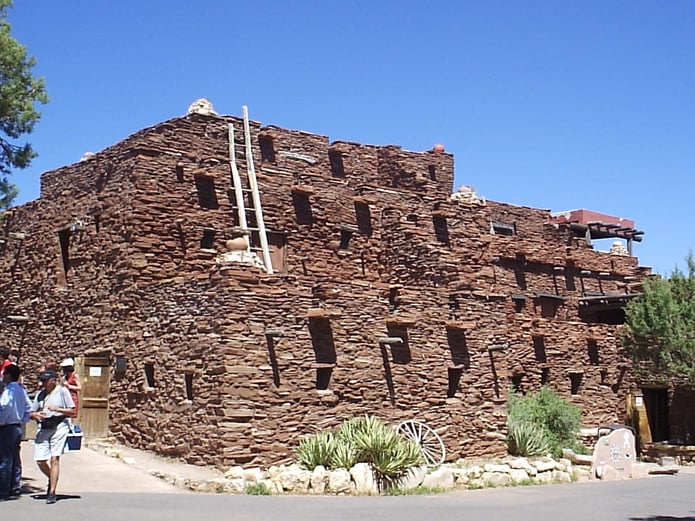
The Hopi, also known as the Hopituh Shinumu, which means "the peaceful people," is one of the oldest tribes in North America and has a rich culture and history. The Hopi Tribe Tour is a tour that offers visitors the opportunity to experience the unique culture of the Hopi tribe. Visitors can also learn about Hopi pottery, weaving, and other traditional crafts and see traditional dances and ceremonies. Hopi pottery and weaving Hopi guides usually accompany the tours, providing a deeper understanding of Hopi culture and history.
Apache Tribe Tour
The Apache Tribe is one of six Apache tribes in Arizona and New Mexico. The Apache Tribe Tour takes visitors to the White Mountain Apache reservation, where they can learn about the history and culture of the Apache tribe. During the tour, visitors will have the chance to visit ancient cliff dwellings, see traditional dances and ceremonies, and learn about the history and culture of the Apache tribe. Apache cliff dwellings tour Visitors can also learn about Apache crafts and art, such as beaded jewelry, baskets, and pottery. The Apache Tribe Tour is a great way to experience the culture, history, and natural beauty of the White Mountain Apache Tribe and learn about the Apache people's traditional way of life.
Grand Canyon and Navajo Reservation Tour
The Grand Canyon and Navajo Reservation Tour is a tour that combines the natural beauty of the Grand Canyon with the cultural experiences of the Navajo Nation. visiting the Grand Canyon traveling from Phoenix to the Grand Canyon The tour typically includes stops at iconic sites such as the Monument Valley and Grand Canyon, where visitors can learn about the Navajo people's history, culture, and way of life. During the tour, visitors will have the chance to see ancient ruins and petroglyphs and learn about the significance of these sites to the Navajo people. Visitors can also see traditional dances, listen to storytelling, and purchase authentic Navajo crafts.
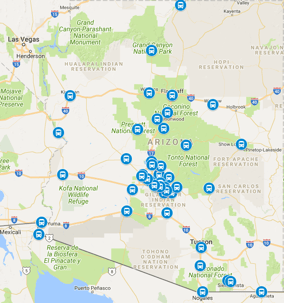
The airport shuttle service provides transportation from Phoenix Sky Harbor International Airport and Tucson International Airport to destinations in Arizona, such as Sedona, Flagstaff, and Grand Canyon. We are known for our safe, reliable, and efficient service. They use late-model vehicles, and all their drivers are experienced and well-trained. Book your ride today, and for more information, contact (480) 710-3441.
Frequently Asked Questions
Can I see traditional dances during the Navajo Nation Tour?
Yes, visitors can watch traditional dances and listen to storytelling on the Navajo Nation Tour.
What kind of crafts will I find at the Hopi Tribe Tour?
You'll learn about Hopi pottery, weaving, and other traditional crafts, including seeing demonstrations of these skills.
Are there ancient cliff dwellings to visit during the Apache Tribe Tour?
Yes, the tour includes visits to ancient cliff dwellings on the White Mountain Apache reservation.
How does the Grand Canyon and Navajo Reservation Tour combine natural beauty with cultural experiences?
The tour combines iconic sites like Monument Valley and Grand Canyon with stops that teach about Navajo history, culture, and way of life.
Arizona's Native American History: A Brief Timeline
Understanding Arizona's tribal landscape starts with understanding the state's layered past. According to History.com, the first Europeans to enter the region now known as Arizona arrived with Fray Marcos de Niza's 1539 expedition, which was searching for the legendary Seven Golden Cities of Cibola. A year later, Francisco Vázquez de Coronado's 1540 expedition passed through Arizona on the same quest — and became the first European party to lay eyes on the Grand Canyon.
Spain did not begin settling the area in earnest until the 17th century, drawn by the discovery of silver. When Mexico won its independence from Spain in 1821, Arizona became part of Mexican territory. The Mexican-American War ended in 1848 with the Treaty of Guadalupe Hidalgo, which ceded much of present-day Arizona to the United States. The 1854 Gadsden Purchase added the remaining southern strip, and the Territory of Arizona was formally established in 1863. Arizona finally achieved statehood on February 14, 1912 — Valentine's Day — becoming the last of the 48 coterminous states to join the union.
Through every one of these political changes, Native peoples were already here — and they remain central to Arizona's identity today. The state is home to 22 federally recognized tribes, including the Navajo Nation, the Hopi Tribe, the Tohono O'odham Nation, the Tonto Apache Tribe, and the Pueblo of Zuni.
The Long Walk: A Chapter Every Visitor Should Know
No exploration of Arizona's Native American history is complete without understanding the Long Walk. In 1863, Colonel Kit Carson planned a scorched-earth campaign to force the Navajo's surrender. Over the following years, more than 8,500 Diné — the Navajo people's name for themselves — were forced from their homelands in northeastern Arizona and northwestern New Mexico to walk roughly 300 miles over two months to the Bosque Redondo Reservation near Fort Sumner, in eastern New Mexico. About 200 people died along the way from starvation and exposure.
Four years later, the U.S.-Navajo Treaty of 1868 allowed the Diné to return to their homelands and established the Navajo Reservation. Today, the Navajo Nation spans more than 27,000 square miles across Arizona, New Mexico, and Utah, and with nearly 400,000 members as of 2020, it is the largest tribe in the United States. Knowing this history transforms a scenic drive through the rez into something far more meaningful.
Arizona's Major Tribes and Nations at a Glance
With 22 federally recognized tribes, Arizona offers more opportunities to experience living Native cultures than nearly any other state. Here's how some of the most visited nations and tribes compare:
| Tribe / Nation | Where You'll Find Them | Cultural Highlights |
|---|---|---|
| Navajo Nation | Northeastern Arizona, spanning into New Mexico and Utah — more than 27,000 square miles | Largest tribe in the U.S. (nearly 400,000 members as of 2020); Monument Valley, Canyon de Chelly, traditional weaving and silversmithing |
| Hopi Tribe | Northeastern Arizona mesas, surrounded by the Navajo Nation | One of the oldest living cultures in North America; arrived in the region in the 12th century; renowned pottery and weaving traditions |
| Tohono O'odham Nation | Southern Arizona, southwest of Tucson | Desert traditions of the Sonoran Desert; basketry and traditional foods |
| Tonto Apache Tribe | Central Arizona, near the Mogollon Rim | One of several Apache tribes in Arizona; connection to the state's mountain country |
| Pueblo of Zuni | Western New Mexico border region, adjacent to eastern Arizona | Famed Zuni artisans, fetish carvings, and jewelry |
Oraibi: The Oldest Continuously Inhabited Settlement in the U.S.
One of the most remarkable facts in all of Arizona — and one many travelers have never heard — is that Oraibi, a Hopi village on the Third Mesa, dates back to at least 1150 AD and is believed to be the oldest continuously inhabited settlement in the United States. People have lived there for nearly 900 years, predating European contact by centuries. Visitors traveling the Hopi mesas are walking through living history, not a reconstruction, which is why respectful, guided visits matter so much.
Interesting Facts About Arizona's Native Heritage
- Arizona is home to 22 federally recognized Native American tribes — the state has more tribal land than anywhere else in the country proportionally.
- The Hopi migrated to the Arizona region in the 12th century from Mexico and South and Central America, making them one of the oldest living cultures on the continent.
- The Navajo arrived in the southwestern United States 800 to 1,000 years ago after crossing the Bering Strait and traveling south, and adopted livestock farming after the Spanish arrived in the mid-16th century.
- The Long Walk of 1863–1868 displaced more than 8,500 Diné before the Treaty of 1868 allowed their return.
- The Navajo Nation is larger than many U.S. states, covering more than 27,000 square miles across three states.
- Coronado's 1540 expedition, the first European group to see the Grand Canyon, did so while passing through lands long inhabited by Native peoples.
Planning a Respectful Visit to Arizona's Tribal Lands
Many of Arizona's signature destinations sit on or near tribal land, so a little planning makes your trip smoother and more respectful:
- Canyon de Chelly and Monument Valley are within the Navajo Nation. Access to canyon interiors and backcountry typically requires a licensed Navajo guide — always check current access rules before you go, as they can change regularly and availability of guided tours varies by season.
- The Hopi mesas are reached via State Route 264, branching off from the US-160 corridor in northeastern Arizona. Photography restrictions on the mesas are strictly enforced, so confirm what's permitted before you arrive.
- The White Mountain Apache reservation, home to ancient cliff dwellings, sits east of the Phoenix to Flagstaff corridor along the scenic Mogollon Rim.
- Ask before you photograph. Ceremonies, dwellings, and even some landscapes may be off-limits to cameras — a quick question is always the right move.
- Buy authentic. Purchasing crafts directly from Native artisans keeps money in the community and guarantees the real thing.
Getting there is easier than you might think. The drive from Phoenix to Page — the gateway to Antelope Canyon and Lake Powell in the heart of Navajo Country — follows I-17 north through Flagstaff, then US-89 north. Sedona's red rocks and the Grand Canyon's South Rim both sit along that same northern corridor, making it simple to combine cultural and natural destinations in a single itinerary. Shared-ride and private airport shuttle service from Phoenix Sky Harbor International Airport and Tucson International Airport connects travelers to Sedona, Flagstaff, Page, and the Grand Canyon without the stress of navigating unfamiliar highways alone.
Frequently Asked Questions
How many Native American tribes are in Arizona?
Arizona has 22 federally recognized Native American tribes, including the Navajo Nation, Hopi Tribe, Tohono O'odham Nation, Tonto Apache Tribe, and Pueblo of Zuni.
What is the oldest continuously inhabited settlement in the United States?
Oraibi, a Hopi village in northeastern Arizona, dates back to at least 1150 AD and is believed to be the oldest continuously inhabited settlement in the United States.
What was the Long Walk of the Navajo?
Following Colonel Kit Carson's 1863 campaign, more than 8,500 Diné were forced to walk about 300 miles over two months to the Bosque Redondo Reservation near Fort Sumner, New Mexico. The 1868 treaty allowed them to return to their homelands.
Which is the largest Native American tribe in the U.S.?
The Navajo Nation is the largest tribe in the United States, with nearly 400,000 members as of 2020 and a reservation spanning more than 27,000 square miles across Arizona, New Mexico, and Utah.
When did Arizona become a state?
Arizona achieved statehood on February 14, 1912, becoming the last of the 48 coterminous United States to join the union.
Can I visit tribal lands in Arizona on my own?
Some areas are open to independent travelers, but places like Canyon de Chelly's interior and the Hopi mesas generally require licensed Native guides or have specific rules. Always check current regulations and travel with an experienced local guide for the most accurate and respectful experience.
How do I get from Phoenix to Navajo Nation destinations like Monument Valley?
The most common route runs north on I-17 from Phoenix to Flagstaff, then northeast on US-89 and US-160 — a long but spectacular drive through some of Arizona's most historically significant landscapes. Shuttle and private transportation services from Phoenix Sky Harbor can handle the driving for you.