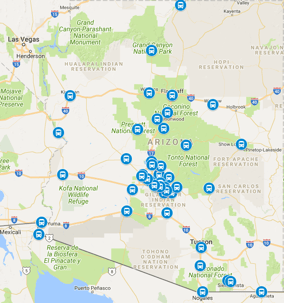
Arizona has a rich cultural heritage, boasting a diverse tapestry of traditions, history, and indigenous influences. Exploring the state's cultural sites and attractions offers a fascinating journey through time and an opportunity to connect with Arizona's unique identity. This guide delves into Arizona's rich cultural heritage and how Arizona Shuttle can enhance your exploration of these remarkable destinations.
Heard Museum
Step into the Heard Museum in Phoenix, a renowned institution dedicated to Native American art and culture. Immerse yourself in the fascinating exhibits showcasing traditional and contemporary artwork, pottery, jewelry, textiles, and more. Gain insights into the rich heritage of Arizona's indigenous peoples through interactive displays, cultural performances, and engaging educational programs. With Arizona Shuttle, you can easily access this cultural gem and delve into the vibrant traditions of Arizona's Native American communities. top casinos in Arizona
Mission San Xavier del Bac
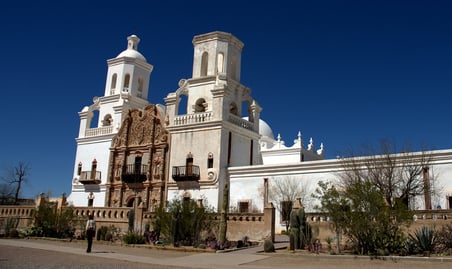
Discover the iconic Mission San Xavier del Bac, located just outside Tucson. Recognized as the "White Dove of the Desert," this remarkable Spanish Catholic mission is a testament to Baroque architecture and holds immense cultural importance. Marvel at the ornate details, beautiful frescoes, and intricate religious artwork within the mission's walls. Arizona Shuttle ensures a convenient and comfortable journey to this cultural treasure, allowing you to immerse yourself in the spiritual and historical significance of the site.
Museum of Northern Arizona
Venture to Flagstaff and explore the Museum of Northern Arizona, dedicated to preserving and showcasing the region's natural and cultural heritage. traveling from Phoenix to Flagstaff Discover exhibits highlighting the diverse Native American tribes, geology, flora, and fauna of northern Arizona. Learn about the ancestral cultures, traditions, and artistry of the Native peoples who have called this region home for centuries. Arizona Shuttle offers a seamless transportation option to visit this enriching museum and delve into the fascinating cultural legacy of northern Arizona.
Tubac Presidio State Historic Park
Journey to Tubac, Arizona's oldest European settlement, and visit the Tubac Presidio State Historic Park. Transport yourself to the past as you wander through the adobe ruins, delve into the history of the Spanish colonial period, and immerse yourself in the thriving art community of present-day Tubac. Uncover the stories of the early settlers, peruse the galleries featuring local artists' works, and appreciate the unique blend of history and creativity. With the Arizona Shuttle, you can easily reach Tubac and experience the living heritage of this charming town.
Pueblo Grande Museum and Archaeological Park
Embark on a captivating journey into the ancient past as you delve into the rich history of the Hohokam people at the Pueblo Grande Museum and Archaeological Park in Phoenix. Explore the ruins of a pre-Columbian village, discover artifacts, and learn about the innovative irrigation systems developed by the Hohokam. Engage in educational programs, guided tours, and hands-on exhibits that shed light on this ancient civilization's lifeways and cultural practices. Arizona Shuttle provides a convenient transportation option to explore this archaeological treasure and connect with Arizona's indigenous roots.
Arizona's cultural heritage is a vibrant tapestry of traditions, history, and artistry. Partnering with Arizona Shuttle allows you to seamlessly explore cultural sites such as the Heard Museum, Mission San Xavier del Bac, Museum of Northern Arizona, Tubac Presidio State Historical Park, and Pueblo Grande Museum and Archaeological Park. Embark on a journey through Arizona's diverse cultural landscape, gain a deeper understanding of its heritage, and create lasting memories of your exploration.
From Ancient Desert Civilizations to a Modern State
Arizona's cultural story begins long before statehood. Archaeological research has revealed intricate irrigation networks, terraced fields, and masonry villages that date back more than 2,000 years, built by the ancestral desert peoples whose descendants still live in the region today. The Hohokam canals that once watered the Salt River Valley are part of the reason Phoenix exists where it does — modern engineers literally trace the paths of those ancient ditches.
The arrival of nomadic Apache and Navajo groups between roughly the 12th and 15th centuries added new cultural layers to this Indigenous landscape, bringing distinct languages, social structures, and spiritual traditions that remain central to Arizona identity. Then, beginning in the 16th century, Spanish explorers and missionaries pushed north, driven by imperial competition, religious conversion, and the search for mineral wealth. Their legacy survives in place names, mission architecture, and the Hispanic communities of southern Arizona, particularly around Tucson and the historic Santa Cruz Valley.
Arizona is therefore not a single culture but an intricate weave of Indigenous homelands, Spanish and Mexican legacies, frontier myths, and 21st-century urban experiments. Understanding that sequence — ancient civilizations, Indigenous nations, Spanish and Mexican periods, territorial era, statehood — gives every museum, ruin, and plaza you visit a deeper meaning.
Native Nations and Living Heritage
Modern Arizona is home to one of the largest Indigenous populations in the United States, with 22 federally recognized tribes whose sovereign nations cover significant portions of the state. These include the Navajo, Hopi, Tohono O'odham, Apache, and Yavapai nations, each with its own government, language, and traditions. This is not a heritage preserved only behind glass — it is a living legacy expressed through languages, ceremonies, architecture, art, and deep ties to land and sky.
When you drive Interstate 17 north toward Flagstaff or U.S. 89 toward the Navajo and Hopi lands beyond, you are crossing sovereign territories, not just scenery. Choosing to visit tribally operated cultural sites — rather than only roadside viewpoints — keeps tourism dollars within Native communities and supports cultural continuity directly.
Desert Cities, Migration, and Everyday Culture
Arizona's cities are cultural artifacts in their own right. Phoenix grew into one of the largest metropolitan areas in the country through 20th-century migration, layering Midwestern, Mexican, and Native influences into its neighborhoods and food scene. Tucson, a UNESCO City of Gastronomy, centers its identity on a cuisine built from desert ingredients — cholla buds, tepary beans, Sonoran-style flour tortillas — reflecting centuries of exchange with Sonora, just across the border.
Everyday culture shows up in the details: historic plazas in downtown Tucson, mural districts in Phoenix's Roosevelt Row, and the way older civic and religious buildings find new life. The conversion of a historic Benedictine monastery chapel into a live music venue in 2025 illustrates how Arizona's cities often reimagine older religious or civic spaces as cultural gathering points, layering new uses atop historic foundations. Keep an eye out for these adaptive reuses as you explore — they are often where a city's past and present have the most interesting conversations.
Art, Museums, and Creative Expression
Arizona's museum landscape is genuinely world-class, and choosing which sites to pair together makes a real difference in how much you absorb. The table below compares the major cultural destinations by region so you can plan sensible routes:
| Destination | Region | Focus | Best Combined With |
|---|---|---|---|
| Heard Museum | Phoenix | Native American art and living cultures | Pueblo Grande/SEDONA VAAKI site, downtown Phoenix |
| Pueblo Grande Museum and Archaeological Park | Phoenix | Hohokam archaeology and irrigation canals | Heard Museum, Phoenix Art Museum |
| Mission San Xavier del Bac | Tucson area | Spanish colonial mission architecture and worship | Tubac Presidio, Santa Cruz Valley missions |
| Tubac Presidio State Historic Park | Southern Arizona | Spanish colonial and territorial history | Tubac's galleries and artist studios |
| Museum of Northern Arizona | Flagstaff | Colorado Plateau tribes, geology, and natural history | Route 66 downtown Flagstaff, Sunset Crater area drives |
Pairing sites by corridor works well: the Phoenix museums pair naturally in a single day, while the Tucson-area mission sites and Tubac make a satisfying loop along Interstate 19. If you are flying into Phoenix and heading south, our Phoenix to Tucson shuttle service lets you focus on the landscape instead of the road, and travelers continuing north toward the Colorado Plateau can connect through our Phoenix to Flagstaff route.
Spiritual Landscapes, Missions, and Sacred Sites
Arizona's spiritual geography deserves its own itinerary. At sites near Tucson and along the Santa Cruz valley, mission complexes built in the 17th and 18th centuries remain active centers of worship while also drawing visitors interested in architecture and history. San Xavier del Bac is the most famous, but the Santa Cruz Valley holds additional mission-era sites that reward slower exploration.
Equally important are the sacred landscapes of the Native nations — mountains, springs, and mesas that hold ceremonial significance. These are not tourist attractions, and many are not open to the public at all. Culturally sensitive travel means respecting posted boundaries, asking before photographing ceremonies or ceremonies-adjacent spaces, and treating worship sites as places of worship first. The desert itself — its retreating monsoon skies, its cholla and saguaro forests — functions as a spiritual touchstone for many Arizonans, and hiking it mindfully is part of engaging with the state's heritage rather than just its views.
Festivals, Food, and Seasonal Traditions
Time your trip around the calendar and you will experience Arizona's heritage in its most social forms. Tribal fairs and powwows, the Heard Museum Guild's long-running Indian Fair and Market, regional heritage festivals in southern Arizona's plazas, and seasonal harvest traditions tied to desert foods all showcase the state's living cultures. Sonoran cuisine — carne asada, chimichangas, and heritage-grain tortillas — is itself a cultural artifact of the borderlands, and Tucson's food scene treats it that way. Check each event's official site before traveling, as dates and details change year to year.
Traveling Responsibly Through Arizona's Cultures
Responsible cultural travel in Arizona comes down to a few habits: leave archaeological sites exactly as you found them, avoid reducing Native cultures to stereotypes by seeking out contemporary Native artists and businesses, support tribally owned enterprises, and learn a little about the nations whose land you cross before you cross it. Planning with shared transportation also reduces your footprint — our Arizona Shuttle services connect the state's cultural corridors, and visitors arriving by air can review our Phoenix airport shuttle options to start their heritage itinerary on the right foot.
Frequently Asked Questions About Arizona's Cultural Heritage
How many federally recognized tribes are in Arizona?
Arizona is home to 22 federally recognized tribes, including the Navajo, Hopi, Tohono O'odham, Apache, and Yavapai nations, whose sovereign lands cover significant portions of the state.
What is the best cultural site to visit first in Phoenix?
The Heard Museum offers the strongest single introduction to Native American art and cultures, and pairing it with the Pueblo Grande Museum and Archaeological Park gives you both the living-tradition and ancient-past perspectives in one day.
Why is Mission San Xavier del Bac called the White Dove of the Desert?
The nickname comes from the mission's brilliant white façade rising from the desert landscape south of Tucson. It is an 18th-century Spanish colonial mission that remains an active place of worship today.
Can visitors photograph everything at cultural sites?
No. Photography restrictions vary widely, and ceremonies, sacred landscapes, and some museum collections prohibit it. Always check posted rules and ask permission when in doubt.
What is the difference between the Hohokam and other ancient peoples of Arizona?
The Hohokam are best known for their extensive irrigation canals in the Salt River Valley and southern deserts, while cultures on the Colorado Plateau are associated with masonry villages and terraced fields. Archaeological research shows these networks date back more than 2,000 years.
How do I plan a cultural route across Arizona without driving everywhere myself?
Group the sites by corridor — Phoenix museums, the Tucson–Santa Cruz Valley missions, and the Flagstaff–Colorado Plateau museums — and use scheduled shuttle connections between cities so you arrive rested and ready to explore.
The Takeaway
Discovering Arizona's rich cultural heritage means engaging with more than 2,000 years of desert civilization, 22 sovereign Native nations, centuries of Spanish and Mexican influence, and a modern urban culture that keeps reinventing its historic spaces. Plan by region, travel respectfully, and let the connections between sites — not just the sites themselves — tell the story. With Arizona Shuttle handling the highway miles, your time is free for what matters: the art, the architecture, the food, and the conversations that make Arizona's heritage impossible to forget.