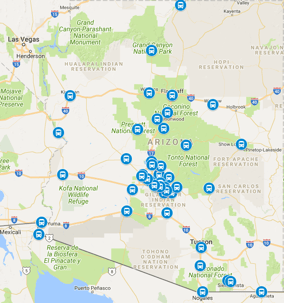
Arizona is rich in culture and history, with a diverse landscape and a wide range of cultural and historical sites to explore. Whether you're interested in learning about the state's Native American communities or exploring its rich historical heritage, Arizona has something for everyone. And with Arizona Shuttle as your transportation provider, you can easily visit the state's top cultural and historical attractions.
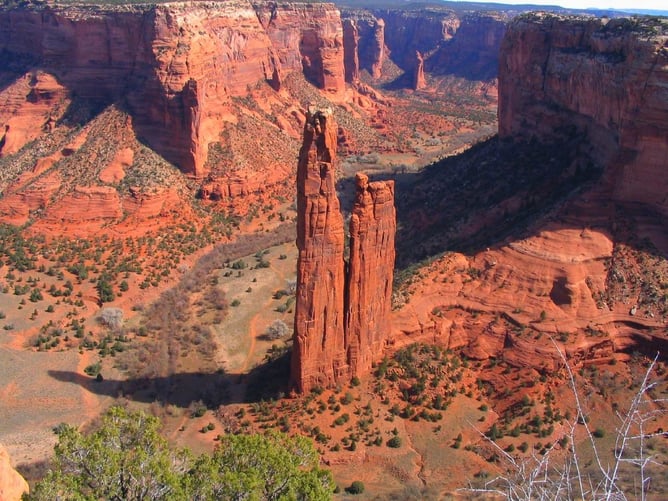
Native American Communities in Arizona
Arizona is home to several Native American tribes with unique cultures and traditions. Some of the state's most notable Native American communities include the Hopi Tribe, the Navajo Nation, and the Pueblo Indian Tribes. Phoenix to Tucson travel guide These communities offer a glimpse into the rich cultural heritage of the state's indigenous peoples and are a must-visit for anyone interested in learning about Arizona's Native American history.
The Hopi Tribe is one of North America's oldest continuously inhabited communities. Phoenix to Flagstaff shuttle guide It is known for its cultural heritage, including intricate pottery, weaving traditions, and colorful Hopi Kachina dolls.
The Navajo Nation is the largest Native American tribe in the United States. It is popular for its rich cultural heritage, including traditional Navajo weaving, jewelry-making, and the Navajo code talkers of World War II.
The Pueblo Indian Tribes are a group of Native American communities known for their adobe architecture, traditional pottery and weaving, and beautiful outdoor markets.
Historical Sites in Arizona
Arizona is home to several historical sites that glimpse the state's rich cultural heritage. Some of the state's most notable historical sites include Montezuma Castle National Monument, Tumacacori National Historical Park, Hubbell Trading Post National Historic Site, The Arizona State Capitol Museum, and The Sharlot Hall Museum. Phoenix to Prescott travel guide
Montezuma Castle National Monument is a well-preserved cliff dwelling near Camp Verde that offers a fascinating glimpse into the lives of the Sinagua people who lived in the region more than 700 years ago.
Tumacacori National Historical Park is a Spanish mission located near Nogales that was established in the late 1600s and offered a glimpse into the state's Spanish colonial history.
Hubbell Trading Post National Historic attraction is a former trading post established in the late 1800s and is now a museum showcasing the state's Native American and Western history.
The Arizona State Capitol Museum is located in Phoenix. It showcases the state's political history, while The Sharlot Hall Museum is located in Prescott and offers a glimpse into the state's Victorian-era history.
Exploring Arizona with Arizona Shuttle
Convenient transportation services to and from historical sites and Native American communities: Arizona Shuttle provides convenient transportation services to and from historical sites and Native American communities throughout the state, making it easy to visit these destinations and learn about their rich cultural and historical heritage.
From Ancient Desert Civilizations to a Modern State
Long before Arizona became the 48th state, its deserts and river valleys supported some of the most sophisticated societies in North America. Archaeological research has revealed intricate irrigation networks, terraced fields, and masonry villages that date back more than 2,000 years. The Hohokam, whose name is often translated from their descendants' language as "those who have gone," engineered hundreds of miles of canals along the Salt and Gila rivers to water crops such as corn, beans, and squash — a design so effective that modern Phoenix canal systems follow many of the same routes.
About 10,000 to 12,000 years ago, Paleo-Indians first settled what is now Arizona. According to most archaeologists, these highly mobile bands of roughly 20 to 50 extended-family members followed herds of megafauna such as mammoths and bison into North America, eventually hunting mule deer and antelope across the region's desert grasslands. The arrival of nomadic Apache and Navajo groups between roughly the 12th and 15th centuries added new cultural layers to this Indigenous landscape. Interestingly, several of the earlier civilizations — including the Hohokam and the Ancestral Puebloans — mysteriously disappeared from the region in the 15th and 16th centuries, leaving behind the dwellings and ruins travelers can still visit today.
Arizona's territorial story is equally layered. From 1822, the land was part of the Mexican state of Sonora, though its settled population remained small. In 1848, under the terms of the Mexican Cession, the United States took possession of Arizona north of the Gila River; in 1854, the Gadsden Purchase added the land south of the Gila, later allowing a rail connection from Yuma to El Paso. Arizona Territory was split off from New Mexico in 1863, and the region's isolation finally ended when railroads arrived in 1880. Dramatic growth came after 1945, as retirees and young families drawn by warm weather and low costs moved from the Northeast and Midwest, with the metropolitan Phoenix area expanding dramatically through the 1990s.
Native Nations and Living Heritage
Modern Arizona is home to one of the largest Indigenous populations in the United States, with 22 federally recognized tribes whose sovereign nations cover significant portions of the state. This is not merely history on display — these are living communities where languages, ceremonies, and arts continue to thrive. Visitors can witness this living heritage at places like the Heard Museum in Phoenix, which showcases Native American art, or at the annual festivals held on tribal lands across the state.
One remarkable site worth adding to any itinerary is the Kinishba Ruins near Fort Apache, a single ancestral pueblo building containing over 600 rooms. Sites like this, along with Canyon de Chelly and the Hopi Mesas, belong to a living cultural landscape — not abandoned relics but places still connected to descendant communities. When you plan a route between cities such as a Phoenix to Prescott trip or a shuttle from Phoenix to Flagstaff, you are often traveling through or near these sovereign nations, and a little awareness of that history makes the drive itself part of the experience.
Desert Cities, Migration, and Everyday Culture
Arizona's cities reflect the waves of migration that shaped them. Phoenix and Tucson blend Spanish colonial street names, mid-century modern architecture, and sleek desert contemporary design — a style defined by low-slung homes, rammed-earth walls, and landscaping built around native plants rather than thirsty lawns. Old Town Scottsdale, the historic warehouse districts of downtown Phoenix, and Tucson's Barrio Viejo each show a different face of this urban evolution.
Everyday culture here is shaped by the desert itself. Outdoor markets, late-evening dining patios, and seasonal events timed around the heat all belong to a distinctly Southwestern rhythm of life. Even the way Arizonans travel — escaping to Flagstaff's pine forests in summer or gathering for festivals in November once temperatures cool — reflects generations of adaptation. Planning your cultural exploring for late fall is popular for exactly that reason; many travelers use a Phoenix to Tucson travel guide to build a cool-season itinerary through the state's southern historic corridor.
Art, Museums, and Creative Expression
Arizona's creative identity draws from three deep wells: Indigenous artistry, Spanish and Mexican influence, and the cowboy frontier myth. Beyond the Heard Museum, visitors can explore:
- The Musical Instrument Museum (Phoenix) — one of the largest of its kind in the world, with galleries devoted to musical traditions from every continent.
- The Desert Botanical Garden (Phoenix) — where Chihuly-style glass installations and Sonoran Desert flora meet rotating cultural exhibitions.
- Tucson Museum of Art — strong holdings in pre-Columbian, Spanish colonial, and Western art, set in the city's historic El Presidio district.
- Jerome and Bisbee — former mining towns turned artist colonies, where galleries now fill buildings that once served copper booms.
The conversion of a historic Benedictine monastery chapel into a live music venue in 2025 illustrates how Arizona's cities often reimagine older religious or civic spaces as cultural gathering points, layering new uses atop historic foundations. It's a pattern repeated across the state — and part of what makes exploring here feel like walking through several centuries at once.
Spiritual Landscapes, Missions, and Sacred Sites
Spanish explorers and missionaries began arriving in the 16th century, driven by imperial competition, religious conversion, and the search for mineral wealth. Along the Santa Cruz River valley near Tucson, mission complexes built in the 17th and 18th centuries remain active centers of worship while also drawing visitors interested in architecture and history. Mission San Xavier del Bac — often called the "White Dove of the Desert" — is the most famous of these, with its ornate baroque interior still serving the Tohono O'odham community today.
Travelers should remember that some sites — particularly on the Hopi Mesas and within tribal parks — are sacred, not simply scenic. Check visitor guidelines before photographing ceremonies or entering restricted areas, and consider hiring tribally operated tour services, which keep tourism revenue within the communities whose heritage is being shared.
Festivals, Food, and Seasonal Traditions
Arizona's cultural calendar is packed year-round. To help you plan, here's a quick comparison of the major ways to experience the state's heritage:
| Experience Type | Best Examples | Best Season | Good For |
|---|---|---|---|
| Archaeological sites | Montezuma Castle, Kinishba Ruins, Casa Grande Ruins | Fall through spring | History lovers, families |
| Missions & sacred sites | San Xavier del Bac, Tumacacori | November to March | Architecture, spiritual history |
| Native arts & museums | Heard Museum, Hubbell Trading Post | Year-round; March for the Heard Market | Art collectors, cultural travelers |
| Cowboy & frontier heritage | Tombstone, Prescott's Whiskey Row, Sharlot Hall Museum | Winter events; summer in the high country | Old West enthusiasts |
| Food traditions | Tucson's UNESCO City of Gastronomy scene, Sonoran hot dogs, frybread stands | Fall and winter food festivals | Culinary travelers |
A note on timing: November is one of the most pleasant months for cultural touring statewide — warm days in the southern deserts, crisp air in the high country around Flagstaff and Prescott — and it coincides with Native American Heritage Month events across Arizona.
Traveling Responsibly Through Arizona's Cultures
Because much of Arizona's heritage belongs to living communities, respectful travel matters. A few simple practices go a long way:
- Ask before photographing people, ceremonies, or homes on tribal land.
- Stay on marked trails at archaeological sites — fragile wall plaster and artifacts can be damaged by a single misstep.
- Buy directly from Native artists, ideally at markets or tribal enterprise shops, so your money reaches the makers.
- Respect posted hours at mission churches and other active houses of worship.
- Carry water and check road conditions; several heritage sites sit far from services along rural stretches of highways like I-17, I-19, and US-89.
Planning Your Route: How the Sites Fit Together
Arizona's cultural attractions cluster along a few drivable corridors. South of Phoenix, I-10 and I-19 connect Phoenix, Tucson, Mission San Xavier, and Tumacacori into an easy two-day loop. North on I-17, you'll pass Camp Verde's Montezuma Castle and reach Flagstaff, the gateway to Walnut Canyon, Wupatki, and Sunset Crater. Prescott, reachable via I-17 and AZ-69, anchors the state's frontier heritage with the Sharlot Hall Museum and Whiskey Row. Whether you base yourself in Phoenix and take day trips or link the corridors together, arranging Arizona Shuttle transportation or using our Phoenix to Maricopa shuttle service lets you focus on the history rather than the highway.
The Takeaway
Arizona is not a single story but an intricate weave of Indigenous homelands, Spanish and Mexican legacies, frontier myths, and 21st-century urban experiments. From 10,000-year-old Paleo-Indian campsites to canals that still follow Hohokam routes beneath downtown Phoenix, the layers are everywhere — and remarkably accessible. Give yourself more than a weekend, travel with respect, and the state's deserts, mesas, and mission walls will tell you a story that no short visit ever could.
Frequently Asked Questions About Arizona's Culture and History
What is Arizona best known for culturally?
Arizona is best known for its Native American heritage — it is home to 22 federally recognized tribes, including the Navajo Nation, the largest Native American tribe in the United States — as well as its Spanish colonial missions, Old West towns, and thriving Indigenous art traditions such as Navajo weaving and Hopi pottery.
How old is Arizona's human history?
Human presence in Arizona goes back roughly 10,000 to 12,000 years to the Paleo-Indian period, when mobile hunting bands followed megafauna such as mammoths and bison into the region. Later cultures like the Hohokam built irrigation canals and masonry villages more than 2,000 years ago.
What happened to the ancient civilizations like the Hohokam?
Archaeologists note that several of Arizona's prehistoric civilizations, including the Hohokam, disappeared from the region in the 15th and 16th centuries. Their descendants, including the O'odham peoples, carry on elements of their traditions today, and modern Phoenix's canal system still follows routes the Hohokam originally dug.
When did Arizona become part of the United States?
In stages. The U.S. acquired Arizona north of the Gila River through the Mexican Cession in 1848, purchased the land south of the Gila in 1854, and created the Arizona Territory by splitting it from New Mexico in 1863. Railroads arrived in 1880, ending the region's long isolation.
Which mission near Tucson should I visit?
Mission San Xavier del Bac, on the Tohono O'odham Nation southwest of Tucson along I-19, is the most celebrated. Built in the late 18th century, it remains an active church and welcomes visitors interested in its baroque architecture and living congregation. Tumacacori National Historical Park, further south, pairs well with it.
What is the best time of year to explore Arizona's cultural sites?
November through March offers the most comfortable weather for desert sites, and November also brings Native American Heritage Month programming. High-country sites around Flagstaff and Prescott are enjoyable in summer, when the lowland deserts get hot.
How can I get to Arizona's historic sites without driving myself?
Airport Shuttle of Phoenix provides transportation throughout the state, connecting Phoenix Sky Harbor with destinations like Tucson, Flagstaff, Prescott, and Maricopa — a convenient starting point for reaching many of Arizona's cultural and historical attractions. Contact us for routes and schedules.