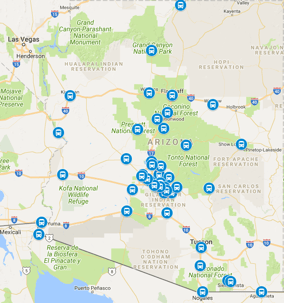
Arizona is full of natural beauty, outdoor adventure, and breathtaking landscapes. Whether you're an occasional hiker or just starting, there are ample opportunities to explore and experience the great outdoors in Arizona. This guide will provide information on some of the best hikes in Arizona and tips for making the most of your hiking adventure with Arizona Shuttle.
Grand Canyon National Park
One of the most iconic natural attractions in the United States, the Grand Canyon is a must-see for any outdoor enthusiast. With over 270 miles of hiking trails, ranging from easy to strenuous, there's something for everyone. Some popular courses include the Bright Angel Trail, South Kaibab Trail, and Rim Trail. To make the best of your time at the Grand Canyon, booking a shuttle service with Arizona Shuttle is recommended, which can take you to and from the park and allow you to focus on your hike without worrying about parking or transportation. transportation to Grand Canyon
Sedona
Sedona is a beautiful town in the heart of Arizona's red rock country. It's no wonder that Sedona is one of the most popular outdoor destinations in Arizona. Some of the best hikes in Sedona include Cathedral Rock, Bell Rock, and Devil's Bridge. Arizona Shuttle offers shuttle services to and from Sedona, making it easy to experience the area's best.
Sedona travel guide
Camelback Mountain
In the heart of Phoenix, Camelback Mountain is a popular destination for local hikers and tourists. With its challenging summit hike and panoramic views of the city, Camelback Mountain is an excellent escape from the bustle and hustle of the city, and enjoy some time in nature. To make the best of your time on Camelback Mountain, booking a shuttle service with Arizona Shuttle is recommended, which can take you to the trailhead and provide transportation back to your starting point.
Pinnacle Peak Park
Pinnacle Peak Park is a beautiful park located in North Scottsdale, just a short drive from Phoenix. With its scenic hiking trails and stunning views of the surrounding landscape, Pinnacle Peak Park is the perfect place to escape the city and enjoy some time in nature. Pinnacle Peak access To make the most of your visit, booking a shuttle service with Arizona Shuttle is recommended, which can take you to and from the park and allow you to focus on your hike without having to worry about transportation.
Arizona is full of natural beauty, outdoor adventure, and breathtaking landscapes. Whether you're an occasional hiker or just starting, there are ample opportunities to explore and experience the great outdoors in Arizona. With its convenient shuttle services, Arizona Shuttle makes it easy to experience the best hikes and outdoor adventures in the state, so why not book your next hiking adventure today?
Frequently Asked Questions
What are the best trails for beginners at Grand Canyon National Park?
The Bright Angel Trail and Rim Trail are great options for beginners, offering scenic views with manageable difficulty.
Can Arizona Shuttle take me to Cathedral Rock in Sedona?
Yes, Arizona Shuttle offers services to and from Sedona, making it easy to access Cathedral Rock and other popular hikes.
How long is the summit hike on Camelback Mountain?
The summit hike on Camelback Mountain takes about 2-3 hours round trip, offering panoramic views of Phoenix.
What are some scenic trails in Pinnacle Peak Park?
Pinnacle Peak Park features several scenic trails with stunning views of the surrounding landscape, perfect for a day out in nature.
More Iconic Arizona Hikes Worth the Trip
Beyond the headline destinations covered above, Arizona is packed with trails that deliver world-class scenery without requiring expert-level skills. Here are several more hikes that belong on any Arizona adventure itinerary.
Siphon Draw Trail to Flatiron – Lost Dutchman State Park
Roughly 50 minutes east of Phoenix in Lost Dutchman State Park, near the base of the Superstition Mountains along US Highway 60, the Siphon Draw Trail leads to the Flatiron — a massive tilted rock slab that towers roughly 2,500 feet above the desert floor. The six-mile round-trip journey is steep, rocky, and unrelenting in sections, but the panoramic views from the top over the Sonoran Desert make every switchback worthwhile. Near the summit, hikers should keep left and be prepared for a 10-foot rock wall that requires hands-on scrambling. Start early, bring more water than you think you need, and watch for mining-era ruins along the lower canyon.
Devil's Bridge – Sedona
Devil's Bridge is the largest natural sandstone arch in the Sedona area, and reaching it is far easier than it looks — it's hardly a hike at all, at roughly three-quarters of a mile each way via the short route off Dry Creek Road (FR 152). The payoff is incredible: a chance to walk out onto the arch itself for photos with the red rock cliffs of Coconino National Forest stretching in every direction. Arrive at sunrise or late afternoon to avoid midday crowds, and note that the upper section involves a short scramble up slickrock steps.
Humphreys Peak – Flagstaff
If you want to hike to the highest point in Arizona, head to Humphreys Peak in the Coconino National Forest just north of Flagstaff. Rising to approximately 12,600 feet, the Humphreys Peak Trail climbs through ponderosa pine and aspen groves before breaking above the tree line into a rugged alpine zone. The summit offers views across the San Francisco Volcanic Field and, on clear days, the painted rim of the Grand Canyon far to the north. Summer is the most reliable season; afternoon thunderstorms are common, so an early start is essential.
The Wave – Vermilion Cliffs National Monument
Perhaps the most photographed rock formation in the American Southwest, The Wave near the Arizona–Utah border features swirling, striped sandstone that looks almost unreal. Access is strictly limited by permit to protect the fragile formation, so plan well ahead if this one is on your list. The unmarked cross-country route through Paria Canyon–Vermilion Cliffs Wilderness demands good navigation skills and plenty of water.
Piestewa Peak – Phoenix Mountains Preserve
For a workout close to downtown Phoenix, the Summit Trail to Piestewa Peak is a steep, roughly 1.2-mile ascent that requires careful footing on rock steps. It's one of the most popular hikes in the Phoenix Mountains Preserve, and the city-and-desert views from the top justify the burn. Go at dawn in warmer months.
Havasu Falls – Havasupai Indian Reservation
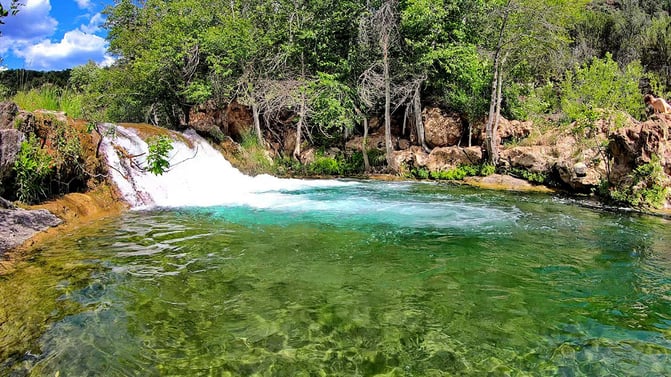
Deep within the Havasupai Indian Reservation at the bottom of the Grand Canyon, the hike from the rim to Havasu Falls is a roughly 10-mile trek to a true desert oasis of turquoise water and cascading falls. Mooney Falls and Beaver Falls lie further downstream for those who want to keep exploring. This is a multi-day adventure requiring advance reservations and permits arranged directly through the Havasupai Tribe — it's one of the most sought-after hikes in the country, so plan many months in advance.
Quick Comparison: Arizona's Signature Hikes
| Hike | Area | Difficulty | Best For |
|---|---|---|---|
| Bright Angel Trail | Grand Canyon South Rim | Moderate to strenuous | First-time canyon hikers; water available roughly every 1.5 miles going down |
| Devil's Bridge Trail | Sedona | Easy | Big payoff with minimal effort |
| Siphon Draw to Flatiron | Lost Dutchman State Park | Strenuous | Challenging full-day hike near Phoenix |
| Piestewa Peak Summit Trail | Phoenix | Moderate | Quick urban workout with city views |
| Humphreys Peak Trail | Flagstaff / Coconino NF | Strenuous | Summiting Arizona's high point |
| Havasu Falls | Havasupai Reservation | Strenuous (permit required) | Bucket-list waterfalls |
When Is the Best Time to Hike in Arizona?
Timing makes an enormous difference in Arizona. In Phoenix and the low desert — including Camelback Mountain, Piestewa Peak, and Lost Dutchman State Park — October through April offers comfortable temperatures, while summer heat can be dangerous on exposed trails. In Sedona, spring and fall are ideal, though summer mornings on trails near Oak Creek can be pleasantly cool. At elevation in Flagstaff and the San Francisco Peaks, summer and early fall are best, and wildflower and aspen seasons add extra color. At the Grand Canyon, the South Rim is hikeable year-round; keep in mind that the North Rim area has been closed following the 2025 fire, with its future reopening still uncertain. In summer, when canyon temperatures climb into the 80s and 90s, water-adjacent hikes are a fantastic way to cool off.
Safety and Leave No Trace Tips for Arizona Hikers
- Carry more water than you think you need. Arizona's dry air masks how much you're sweating, even in cooler months.
- Start before sunrise. Early starts beat both the heat and the parking crunch at popular trailheads.
- Tell someone your plan, especially for remote routes like Siphon Draw or any canyon descent.
- Follow Leave No Trace principles as best you can — pack out trash, stay on durable surfaces, and respect wildlife and cultural sites.
- Watch the sky. Monsoon storms and lightning are a serious hazard on exposed summits like Humphreys Peak and Cathedral Rock.
- Know your turnaround point. On Bright Angel, a sensible goal for a first visit is at least hiking down to the 1.5-Mile Resthouse before evaluating whether to continue.
Frequently Asked Questions
What is the hardest well-known hike in Arizona?
The Siphon Draw Trail to the Flatiron in Lost Dutchman State Park is among the toughest day hikes near Phoenix, with a relentless climb, exposed scrambling, and a 10-foot rock wall near the top.
Can you hike to the bottom of the Grand Canyon and back in one day?
It's possible for very fit hikers, but it's a serious undertaking. At roughly 24 miles round trip on the South Kaibab–Bright Angel loop, it's one heckuva day hike that shows you far more of the canyon than most visitors ever see — but rangers discourage rim-to-river-and-back in a single day for most people.
Which Grand Canyon trail has water along the way?
Bright Angel Trail is far more popular than South Kaibab largely because it's easier to access and has water available roughly every 1.5 miles on the way down, making it the safer choice for beginners.
Do I need a permit to hike The Wave?
Yes. The Wave is managed with a strict permit system through the Bureau of Land Management to protect the fragile formation, and demand far exceeds availability.
Is Cathedral Rock in Sedona good for photos after dark?
Absolutely. Keep going around the bend past the main spires, and you'll find it's an excellent place for astrophotography, with dark skies over the red rock country.
How do I get to trailheads around Phoenix without a car?
Arizona Shuttle offers transportation to popular destinations throughout the state, including Grand Canyon trips, Sedona service, and shuttle options to trailheads like Camelback Mountain and Pinnacle Peak Park, so you can focus on your hike instead of parking.