Are you looking for a city that's rich in history and culture? Look no further than Tucson, Arizona. This beautiful city in the Sonoran Desert offers visitors a unique blend of Native American, Spanish, Mexican, and American cultures. With Arizona Shuttle, you can easily explore Tucson's top attractions and events. Here's a guide to help you plan your trip:
.jpg?width=489&height=367&name=images%20(19).jpg)
Discovering Tucson's History
The city was founded in 1775 by Spanish soldiers and had a rich history worth exploring. It is one of the oldest continually inhabited locations in North America. To learn about Tucson's past, visit the Arizona Historical Society Museum. Tucson airport transfer This museum exhibits Tucson's mining history and Native American and Mexican cultures.
Another must-visit historical site is Mission San Xavier del Bac. This beautiful mission was founded in 1692 and is still an active church today. The mission's architecture blends Spanish colonial and Native American styles and is a stunning example of the region's history.
Exploring Tucson's Culture
Tucson is known for its vibrant arts and culture scene. To experience this for yourself, head to the Tucson Museum of Art. This museum features a collection of American, Native American, and European art and temporary exhibits that showcase local artists.
To learn about the region's Native American culture, visit the Arizona-Sonora Desert Museum. This museum features exhibits on the indigenous people of the Sonoran Desert, as well as live animal exhibits.
For a taste of Tucson's Mexican culture, head to Barrio Viejo. This historic neighborhood features colorful adobe houses and is home to some of Tucson's best Mexican restaurants.
Attending Tucson's Festivals and Events
Tucson is home to a variety of festivals and events throughout the year. One of the most popular events is the Tucson Gem, Mineral & Fossil Showcase, which takes place every February. This event is one of its kind worldwide, attracting visitors from all over the globe.
Another popular event is the Tucson Folk Festival, which takes place every April. This free festival features over 120 musical acts, workshops, and activities for all ages.
Check out the All Souls Procession if you visit Tucson in the summer. This event takes place in November and celebrates life and death. Participants dress up in colorful costumes and walk through the streets of Tucson to honor loved ones who have passed away.
Getting Around Tucson with Arizona Shuttle
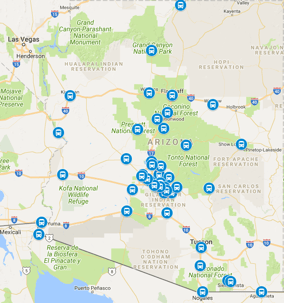
If you're visiting Tucson, Arizona, Shuttle can help you get around. traveling from Phoenix Arizona Shuttle offers shuttle services to and from Tucson International Airport, as well as shuttle services within Tucson and throughout Arizona. With Arizona Shuttle, you can sit back and relax while you explore all that Tucson has to offer.
In conclusion, Tucson has a rich history and diverse culture. From its Spanish colonial architecture to its vibrant arts scene, there's something for everyone to enjoy. With Arizona Shuttle, you can easily explore Tucson's top attractions and events. Plan your trip today and discover all that Tucson has to offer.
Frequently Asked Questions
What's the best way to learn about Tucson's Native American history?
Visit the Arizona-Sonora Desert Museum for exhibits on indigenous people and live animal shows.
Can I still visit Mission San Xavier del Bac today?
Yes, it's an active church that blends Spanish colonial and Native American styles.
What kind of art can I see at the Tucson Museum of Art?
The museum features American, Native American, European art, and hosts local artists in temporary exhibits.
When is the Tucson Folk Festival held?
The Tucson Folk Festival takes place every April with over 120 musical acts and activities.
Tucson's Ancient Roots: Before the Spanish Arrived
Long before Spanish soldiers established the Presidio of Tucson in 1775, the Tucson Basin was home to Indigenous communities whose presence stretches back thousands of years. The Hohokam people built irrigation canals along the Santa Cruz River, farming the desert with engineering skill that still impresses archaeologists today. Their descendants, including the Tohono O'odham Nation and the Pascua Yaqui Tribe, remain central to Tucson's cultural identity, and the Tohono O'odham Nation's lands border the city to the south and west.
For a deeper look at this deep history, stop by the Presidio San Agustín del Tucson Museum downtown, where a reconstruction of the adobe wall of the original Spanish fort marks the birthplace of the modern city. Nearby, Tumamoc Hill — the landmark hill west of downtown along Speedway Boulevard — is both a popular walking destination and an active archaeological and ecological research site, with evidence of ancient village life at its summit.
A UNESCO City of Gastronomy: Why Food Is Culture in Tucson
In 2015, Tucson was designated a UNESCO City of Gastronomy — the first city in the United States to receive the honor. The designation recognizes the region's agricultural heritage stretching back more than 4,000 years, along with its distinctive food traditions built on native ingredients like tepary beans, chiltepin peppers, white Sonoran wheat, and cactus fruit.
You can taste this heritage all over town. Restaurants along Fourth Avenue and in the historic Barrio Viejo serve Sonoran-style Mexican food, and Tucson's take on the chimichanga and the Sonoran hot dog — wrapped in bacon and topped with beans, onions, and mayo — are points of genuine local pride. For a quick orientation to the food scene, a stroll through the Mercado San Agustín on the west side, near the base of Sentinel Peak, pairs well with a visit to the adjacent traditional food marketplace.
Historic Neighborhoods Worth Walking
Tucson's history isn't confined to museums — it's built into the streets themselves. A few neighborhoods reward visitors on foot:
Barrio Viejo and Barrio Histórico
Just south of the Tucson Convention Center, these adobe row houses date to Tucson's territorial era and are among the best-preserved examples of Sonoran architecture in the United States. The brightly painted facades make this one of the most photographed areas in the city.
The El Presidio and Armory Park Districts
El Presidio, near where the original fort once stood, is one of the oldest residential neighborhoods in Arizona and home to the Tucson Museum of Art. Armory Park, just to the southeast, features Victorian-era homes and historic plazas within easy walking distance of downtown.
Fort Lowell
In east-central Tucson, Fort Lowell was an active U.S. Army post during the late 1800s. Today the area includes a county park with preserved adobe ruins and a small museum interpreting the fort's role in the Apache Wars era.
Tucson Landmarks and Where to Find Them
Use this quick-reference table to match your interests with Tucson's signature historical and cultural sites:
| Landmark | Area of Town | Why It Matters |
|---|---|---|
| Mission San Xavier del Bac | San Xavier District, off I-19 south of downtown | Founded in 1692 by Jesuit missionary Father Eusebio Kino; known as the "White Dove of the Desert" |
| Presidio San Agustín del Tucson Museum | Downtown | Site of the 1775 Spanish fort where the modern city began |
| Sentinel Peak ("A" Mountain) | West of downtown | Iconic hillside letter and panoramic views of the city and Santa Cruz River valley |
| Barrio Viejo | South of the Convention Center | Colorful territorial-era adobe homes and Sonoran food culture |
| Fort Lowell Park and Museum | East-central Tucson | Preserved ruins of a 19th-century U.S. Army post |
| Pima Air & Space Museum | Southeast Tucson, near Davis-Monthan Air Force Base | One of the largest aviation museums in the world, reflecting Tucson's aerospace heritage |
Getting There: Navigating Tucson by Car and Shuttle
Tucson is easy to navigate once you know its main arteries. Interstate 10 runs northwest to Phoenix and southeast toward El Paso, while Interstate 19 heads south from downtown toward Mission San Xavier del Bac, Green Valley, and the Mexican border at Nogales. Oracle Road (State Route 77) leads north toward Oro Valley and Catalina State Park, and Speedway Boulevard crosses the city east to west, passing the University of Arizona and pointing toward the foothills of the Santa Catalina Mountains.
Tucson International Airport sits south of downtown with quick access to I-19 and I-10, making it a convenient gateway whether you're headed to a museum downtown or a mission on the Tohono O'odham border. For visitors arriving through Phoenix Sky Harbor as well, Arizona Shuttle offers connections between the two cities, so you can build a trip that takes in both desert metropolises without renting a car.
Planning Your History and Culture Itinerary
One Day in Tucson
Start downtown at the Presidio Museum, walk to El Presidio and Armory Park, spend the afternoon at the Tucson Museum of Art, then finish with dinner in Barrio Viejo.
A Long Weekend
Add a morning drive south on I-19 to Mission San Xavier del Bac, an afternoon at Sentinel Peak and the west-side markets, a day at the Arizona-Sonora Desert Museum and Saguaro National Park West, and — if your timing aligns with February — a visit to the Tucson Gem, Mineral & Fossil Showcase venues around downtown.
Tips From Locals
Bring sun protection year-round; the Sonoran Desert sun is intense even in winter. Many historic sites are outdoors, so morning visits are more comfortable in summer. Check hours before you go — some smaller museums and historic houses keep limited schedules, and the Mission closes to sightseeing during services.
Frequently Asked Questions About Tucson's History and Culture
Why is Tucson called the Old Pueblo?
"The Old Pueblo" is a nickname drawn from Tucson's Spanish and Mexican past, referencing the walled pueblo that stood on the site of the original presidio. It remains a beloved shorthand for the city's deep roots.
What made Tucson a UNESCO City of Gastronomy?
Tucson earned the designation in 2015 for its thousands of years of continuous agricultural history along the Santa Cruz River and its living food traditions built on native desert crops, becoming the first U.S. city so recognized.
Is Tucson older than Phoenix?
Yes. Tucson was founded as a Spanish presidio in 1775, decades before Phoenix was established in the late 1800s, and the Tucson Basin has been inhabited for far longer still.
Where can I see Tohono O'odham culture in Tucson?
Mission San Xavier del Bac, on the San Xavier District of the Tohono O'odham Nation just off I-19, is the most significant site, and regional museums including the Arizona State Museum at the University of Arizona hold important collections of Tohono O'odham and Pascua Yaqui material culture.
What is the best time of year to explore Tucson's historic sites?
Fall through spring offers the most comfortable weather for walking tours, outdoor museums, and neighborhood strolls. November visitors can also experience the All Souls Procession, one of the city's most distinctive cultural events.
Can I visit Tucson's historic neighborhoods without a car?
Yes. Downtown, El Presidio, Armory Park, and Barrio Viejo are all within walking distance of one another, and shuttle and rideshare options connect these areas to outlying sites like Mission San Xavier del Bac and Fort Lowell.