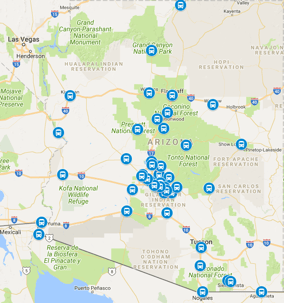
Arizona is home to 22 federally recognized Native American tribes, each with a unique and rich culture that spans centuries. For visitors looking to explore this fascinating aspect of Arizona's heritage, many cultural sites and monuments are easily accessible by Arizona Shuttle. Here is a guide to some of the top destinations for experiencing Native American culture in Arizona.
Navajo Nation
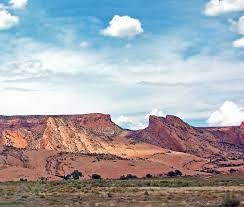
The Navajo Nation, located in the northeastern part of the state, is the largest reservation in the country, covering over 27,000 square miles. traveling from Phoenix to Flagstaff The Navajo people have a rich and complex history, and visitors to the reservation can learn about traditional crafts such as weaving, silversmithing, and basket-making, as well as sample traditional foods such as fry bread. traveling from Phoenix to Flagstaff The Navajo Nation has several important landmarks, including Monument Valley and Canyon de Chelly.
Hopi Reservation
Located in northeastern Arizona, the Hopi Reservation is home to the Hopi people, who have lived there for thousands of years. visiting the Hopi Reservation The Hopi are known for their intricate pottery, as well as their kachina dolls, which represent ancestral spirits. Visitors to the reservation can visit the Hopi Cultural Center, which features exhibits on Hopi history and culture, and the Hopi Arts and Crafts Guild, where local artists sell their work.
Montezuma Castle National Monument
Located in central Arizona, the Montezuma Castle National Monument is a well-preserved cliff dwelling built by the Sinagua people over 600 years ago. The monument is an impressive example of the ingenuity and resourcefulness of the Sinagua people, who used the natural rock formations to create their homes. Visitors to the memorial can take a self-guided tour and learn about the daily life of the Sinagua people.
Canyon de Chelly National Monument
Canyon de Chelly, located in northeastern Arizona, is a stunning natural wonder and an important site for the Navajo people. exploring Canyon de Chelly exploring Canyon de Chelly The canyon has been inhabited for over 5,000 years, and visitors can explore the ancient ruins of the Ancestral Puebloan people who once lived there. The canyon is also home to critical spiritual sites for the Navajo people, and visitors should respect the local community's culture and traditions.
Arizona is home to a rich and diverse Native American culture, and there are many opportunities for visitors to learn about and experience this culture firsthand. Visitors can easily access some of the state's most important cultural sites and monuments by using intercity transport options like Arizona Shuttle. Whether interested in history, art, or spirituality, Arizona's Native American cultural sites inspire and fascinate.
Frequently Asked Questions
What traditional crafts can I learn about at the Navajo Nation?
You can learn about weaving, silversmithing, and basket-making.
Where can I find Hopi pottery and kachina dolls for purchase?
Visit the Hopi Arts and Crafts Guild on the Hopi Reservation.
How long does it take to explore Montezuma Castle National Monument?
A self-guided tour typically takes about 1-2 hours.
What should visitors be aware of when exploring Canyon de Chelly?
Respect local traditions and cultural sites as the canyon is sacred to the Navajo people.
The Ancestral Foundation: 13,000 Years of Arizona History
Arizona's Native American culture did not begin with the tribes visitors meet today — it is built on more than 13 millennia of continuous human presence. Archaeological evidence for Paleo-Indians in Arizona dates back at least 13,000 years, and during the Archaic period that followed, these early communities shifted from hunting big game toward a more varied diet and the earliest agricultural practices. Out of that long development emerged several complex, long-lived cultures: the Hohokam, who engineered hundreds of miles of irrigation canals in the Salt River Valley where Phoenix and Scottsdale now stand; the Mogollon of the mountainous southeast; the Sinagua of the Flagstaff and Verde Valley region; and the Ancestral Puebloans of the northeast. All four are believed to be ancestors of multiple modern tribes, a lineage travelers can still trace through their remarkable stone architecture at sites like Montezuma Castle and Wupatki.
During the 13th and 14th centuries CE, all of these cultures experienced severe depopulation. Into that shifting landscape came new peoples: Athabaskan-speaking ancestors of the Navajo and Apache migrated from the Rocky Mountains, along with the ancestors of the Yavapai. By contrast, the Hohokam, Mogollon, Sinagua, and Ancestral Puebloans are thought to be ancestral to the modern-day O'odham, Hopi, and Zuni peoples, though scholars note this can be difficult to determine with certainty.
The Pueblo Peoples: Continuity Across Centuries
Among the most striking stories in Arizona's Native American culture is that of the Hopi, whose villages on three mesas in northeastern Arizona are among the oldest continuously inhabited communities in the United States. The Hopi, along with the Zuni just over the border in New Mexico, are widely considered descendants of the Ancestral Puebloans, maintaining ceremonial cycles, clan systems, and artistic traditions — most famously pottery and kachina carving — that bridge the ancient ruins and the living villages. When you stand at a site like Wupatki National Monument off US-89 north of Flagstaff, you are looking at the architectural heritage of the same broad tradition that survives in Hopi communities today.
The Athapaskan Peoples: Warriors and Survivors
The Navajo (Diné) and Apache nations shape much of what visitors associate with Arizona's Native American culture today. Their history under American rule was marked by profound hardship. After conflicts including the 1860 Second Battle of Fort Defiance — the first US military fort in Navajo territory, established in 1851 — the US Army forced thousands of Navajo on the Long Walk to Bosque Redondo in New Mexico. It is estimated that hundreds died during the migration itself, and upward of 2,000 more died from poor conditions at the reservation. The 1868 Treaty of Bosque Redondo allowed the Navajo to return to their homeland, where the Navajo Nation now spans parts of Arizona, New Mexico, and Utah.
The Apache Wars, lasting nearly forty years between 1849 and 1886, similarly defined the history of the Apache peoples in southern and eastern Arizona. Leaders such as Geronimo and Cochise became legendary figures of resistance during this era, and their story is interpreted today at sites like Fort Bowie National Historic Site near Willcox and the Chiricahua National Monument along Apache Pass.
Arizona's Contemporary Native Peoples at a Glance
Arizona is home to 22 federally recognized tribes, including 17 with reservations that lie entirely within the state's borders, and holds the third-largest Native American population of any US state. The table below summarizes some of the major communities visitors most often encounter, along with the routes and highways that bring you near their lands.
| Community | Region of Arizona | Known For | Primary Access |
|---|---|---|---|
| Navajo Nation | Northeastern Arizona | Weaving, silversmithing, Monument Valley, Canyon de Chelly | US-89 / US-160 via Flagstaff |
| Hopi Tribe | Northeastern Arizona (surrounded by Navajo Nation) | Pottery, kachina dolls, mesa-top villages, Hopi Cultural Center | SR-264 from Tuba City |
| Salt River Pima-Maricopa Indian Community | Metro Phoenix (east valley, near Scottsdale) | O'odham and Maricopa heritage, cultural center near SR-87 | Loop 101 / SR-87 |
| Tohono O'odham Nation | Southern Arizona, southwest of Tucson | Desert agriculture, basketry, descendants of the Hohokam tradition | SR-86 (Ajo Road) |
| Colorado River Indian Tribes (including the Mohave) | Western Arizona along the Colorado River | River farming culture of the Mohave, Chemehuevi, Hopi, and Navajo residents | US-95 near Parker |
| White Mountain Apache Tribe | Eastern Arizona high country | Fort Apache Historic Park, Hon-Dah, mountain recreation | US-60 / SR-260 |
Languages: Living Voices of the Desert
Arizona's Native American culture is expressed through a remarkable range of languages. The state's reservations span several major language families: Athabaskan languages such as Navajo and the various Apache dialects; Uto-Aztecan languages including Hopi, O'odham, and Yaqui; Yuman languages spoken along the Colorado River by the Mohave, Hualapai, Havasupai, and Yavapai; and Zuni, a language isolate with no known relatives. Navajo is among the most widely spoken Native American languages in the United States, and bilingual signage is common across the Navajo Nation. Travelers driving US-89 toward Page or the Grand Canyon will pass through these language regions, and learning a word of greeting is often warmly received.
A Difficult History and a Living Present
Spanish settlers first arrived in present-day Arizona in the mid-16th century, later establishing missions that drastically disrupted indigenous life. Decades of violence and forced change led to the 1751 Pima Revolt, ignited by the O'odham under the leadership of Luis Oacpicagigua, while intense Apache rebellion against Spanish rule in the 1770s prompted the expansion of presidios such as the Presidio San Agustín del Tucsón. Over the 18th and 19th centuries, the region was ruled in turn by Spain, Mexico, and the United States, and under 19th and 20th century American rule, Arizona's Native peoples faced forced assimilation under the boarding school system, environmental degradation on reservation lands, and in some cases ethnic cleansing.
In the 21st century, Arizona's Native communities continue to play a prominent role in the state's culture, notably its tourism industry, while also confronting systemic inequality, including a lack of water infrastructure and heightened susceptibility to health crises such as the COVID-19 pandemic. Understanding both the struggles and the contributions is essential to respectful travel.
How Important Is Tourism to Arizona's Tribal Communities?
Tourism is a meaningful economic driver for many of Arizona's tribal nations. Destinations such as Monument Valley Navajo Tribal Park, Canyon de Chelly, the Havasupai Reservation's world-famous waterfalls, and the cultural centers of the Salt River Pima-Maricopa and Tohono O'odham nations draw visitors from around the world. Tourism revenue supports tribal enterprises, artisans, and guides — but the most valued visitors are those who travel respectfully: purchase directly from Native artists, follow photography and access rules, and use tribal tour operators where required.
Planning a Respectful Cultural Itinerary
A practical route from Phoenix links many of these destinations. Traveling from Phoenix to Flagstaff places you within reach of Wupatki, Sunset Crater, and the Hopi mesas via US-89 and SR-264. From Flagstaff, continue north on US-89 toward Page and Antelope Canyon country, or east on I-40 to explore Canyon de Chelly and the Navajo Nation. For a desert alternative, the Sedona route passes the Sinagua heritage of Montezuma Castle and Tuzigoot near Camp Verde on I-17. Many travelers begin their trip with an Arizona Shuttle connection from the airport before renting a car or joining guided tours on tribal lands.
Frequently Asked Questions
How many federally recognized tribes are in Arizona?
Arizona is home to 22 federally recognized tribes, including 17 with reservations that lie entirely within the state's borders.
Which Arizona tribes are descendants of the ancient cliff dwellers?
The Hopi and Zuni are widely thought to descend from the Ancestral Puebloan and related cultures, while the O'odham are often linked to the Hohokam, though scholars caution these connections can be difficult to determine with certainty.
Can I visit the Hopi mesas without a tour?
Some areas of the Hopi Reservation are open to independent visitors, such as the Hopi Cultural Center on Second Mesa, but access to village ceremonies and certain areas is restricted — always check current tribal guidelines before traveling.
Where did the Navajo Long Walk begin and end?
After the 1860 Second Battle of Fort Defiance, Navajo people were forced from their homeland to Bosque Redondo in New Mexico; the 1868 Treaty of Bosque Redondo allowed them to return to a reservation on their own land.
What language families are spoken among Arizona's tribes?
Major families include Athabaskan (Navajo, Apache), Uto-Aztecan (Hopi, O'odham), Yuman (Mohave, Hualapai, Havasupai, Yavapai), and Zuni, which is a language isolate.
Which Native cultural sites are closest to Phoenix?
The Salt River Pima-Maricopa Indian Community borders Scottsdale, the Pueblo Grande archaeological site sits near downtown Phoenix, and Montezuma Castle National Monument is reachable within roughly two hours via I-17.