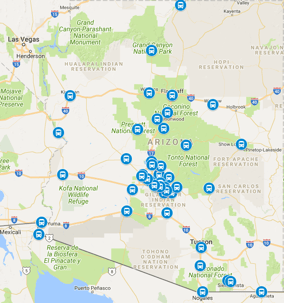
Are you a nature lover who is always up for a wildlife adventure? Do you wish to experience the thrill of watching Arizona's fascinating wildlife up close? If yes, then April is the perfect time to plan your trip with Arizona Shuttle. The pleasant weather, colorful flora, and various exciting events make April the best month to explore Arizona's diverse wildlife.
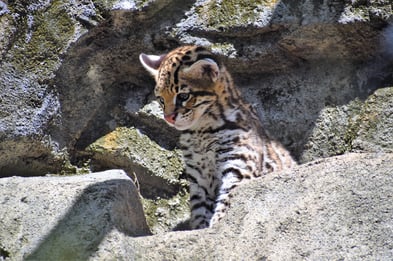
Here is our guide to a few of the best wildlife spots and events in Arizona that you can explore with Arizona Shuttle:
Grand Canyon National Park:
The Grand Canyon National Park has several wildlife species, including mountain lions, coyotes, deer, and elk. guided tour with Arizona Shuttle The park is also home to some endangered species, like the Mexican Spotted Owl and the California Condor. You can take a guided tour with Arizona Shuttle to explore the park's wildlife and learn about its conservation efforts. guided tour with Arizona Shuttle
Desert Botanical Garden:
The Desert Botanical Garden in Phoenix is another must-visit spot for wildlife lovers. The garden features over 50,000 plants, including cacti, succulents, and wildflowers, and is home to several species of birds and reptiles. Desert Botanical Garden access You can take a guided tour with Arizona Shuttle to explore the garden's flora and fauna. Boyce Thompson Arboretum access
Boyce Thompson Arboretum State Park:
The Boyce Thompson Arboretum State Park in Superior is an excellent bird-watching destination. The park features over 250 species of birds, including eagles, hawks, and vultures. You can take a guided tour with Arizona Shuttle to explore the park's trails and learn about the birds and their habitats.
Saguaro National Park:
The Saguaro National Park is home to the iconic saguaro cactus found only in the Sonoran Desert. The park also has several wildlife species, including coyotes, javelinas, and bobcats. You can take a guided tour with Arizona Shuttle to explore the park's wildlife and learn about the saguaro cactus's role in the desert ecosystem.
Verde Canyon Railroad:
The Verde Canyon Railroad in Clarkdale is an exciting way to explore Arizona's wildlife. The train ride takes you through the Verde Canyon, where you can spot several species of birds, including eagles, hawks, and herons. You can also spot some of Arizona's wildlife, including coyotes, javelinas, and deer. Verde Canyon Railroad tours
In addition to these wildlife spots, Arizona also hosts several exciting wildlife events in April, such as:
Phoenix Pride Festival:
The Phoenix Pride Festival is an annual event held in April that celebrates Arizona's LGBTQ+ community. The festival features several occasions, including live music, food vendors, and educational sessions on wildlife and conservation.
Tucson Folk Festival:
The Tucson Folk Festival is another exciting April event celebrating Arizona's music and culture. The festival features several live music performances, food vendors, and wildlife exhibits.
Maricopa County Fair:
The Maricopa County Fair is an annual April event celebrating Arizona's agriculture and wildlife. The fair features several livestock exhibits, animal shows, and educational sessions on wildlife conservation.
With Arizona Shuttle, you can conveniently hop on and off at these wildlife spots and events. So, what are you waiting for? Book your Arizona Shuttle today and explore the diverse wildlife of Arizona in April.
Frequently Asked Questions
What wildlife can I expect to see at the Grand Canyon National Park in April?
You can spot mountain lions, coyotes, deer, elk, and even endangered species like the Mexican Spotted Owl and California Condor.
Are there guided tours available for Desert Botanical Garden?
Yes, you can take guided tours to explore the garden's flora and fauna.
What kind of birds can I observe at Boyce Thompson Arboretum State Park?
The park is home to over 250 species of birds, including eagles, hawks, and vultures.
Can I see the saguaro cactus on a tour with Arizona Shuttle?
Yes, Saguaro National Park features iconic saguaro cacti and various wildlife species like coyotes, javelinas, and bobcats.
What Makes April Special for Arizona Wildlife Watching
April sits at the sweet spot of Arizona's wildlife calendar. Spring temperatures wake up the desert, wildflowers bloom across the Sonoran lowlands, and animals that lay low during the summer heat are active throughout the day. The state's 300+ days of sunshine annually make wildlife viewing possible year-round, but spring offers the most comfortable conditions for long days outdoors. Whether you're scanning the saguaro forests near Tucson or the ponderosa pine forests of the Mogollon Rim, April rewards patient observers with a wide variety of sightings.
Why Arizona Hosts So Many Species
Arizona's unique geography creates multiple distinct biotic communities, ranging from Sonoran Desert lowlands to alpine forests. In a single day's drive, you can travel from cactus-studded valleys to cool mountain meadows, each zone hosting its own mix of mammals, birds, and reptiles. Few states pack this much habitat diversity into such a compact area, which is why Arizona is considered a wildlife watcher's paradise.
Desert Mammals to Spot in April
Spring is one of the best times to see Arizona's desert mammals before the summer heat pushes them into strictly nocturnal routines. Here are the species most commonly encountered in April:
Coyotes (Canis latrans)
These clever canids are one of Arizona's most commonly seen mammals. Coyotes typically weigh 20 to 40 pounds and have distinctive pointed ears and bushy tails. In April, they're often active at dawn and dusk, trotting across open desert flats, washes, and even the edges of urban parks in Phoenix and Tucson.
Javelina (Collared Peccary)
Javelina travel in small family groups and are frequently spotted around Saguaro National Park and the desert washes near Tucson. They favor prickly pear cactus as a food source, so scanning cactus patches in the cooler morning hours often pays off.
Desert Bighorn Sheep
Rams sport those iconic curved horns, which can weigh up to 30 pounds. April is a rewarding month to look for bighorn along rocky slopes and canyon walls, where they navigate terrain that would stop most hikers in their tracks.
Birding Beyond the Arboretum: The Beeline Highway Route
While Boyce Thompson Arboretum remains a marquee birding destination with over 250 species of birds — including eagles, hawks, and vultures — serious birders should consider extending the trip northeast of Phoenix. For a scenic drive and a great day of birding, continue up the Beeline Highway (State Route 87) toward Payson, then take State Route 188 southeast for a leisurely drive along Tonto Creek and past Roosevelt Lake.
The peak along this route tops out at 7,128 feet and serves as the dividing line between Gila and Maricopa Counties — high enough for ponderosa and pinyon pines to shelter nuthatches and hairy woodpeckers. Wildlife areas near the A Cross road and the Three Bar offer excellent access, and great roadside views of Roosevelt Lake are frequent along SR 188. In spring, expect to see populations of grebes, cormorants, ducks, and coots on the water.
Reptiles Waking Up: What to Know in April
As desert soils warm, reptiles emerge from winter dormancy. Seeing them is a highlight of an April visit — provided you keep a respectful distance.
Western Diamondback Rattlesnake (Crotalus atrox)
While they deserve respect, rattlesnakes are fascinating creatures and an essential part of the desert ecosystem. Give them space, never attempt to handle one, and they will almost always move along on their own.
Gila Monsters and Desert Tortoises
These stunning black and orange reptiles (Gila monsters) move slowly and spend about 95% of their time underground, so an April sighting is a genuine treat. Desert tortoises (Gopherus agassizii), meanwhile, are adorable ancient-looking reptiles that can live over 80 years. The best viewing locations for both include Organ Pipe Cactus National Monument, Saguaro National Park, and the Desert Botanical Garden in Phoenix.
Where to Go: April Wildlife Destinations Compared
| Destination | Habitat Type | Best For | April Highlight |
|---|---|---|---|
| Desert Botanical Garden (Phoenix) | Sonoran Desert garden | Reptiles, desert birds, wildflowers | 50,000+ plants in spring bloom with active lizards and songbirds |
| Saguaro National Park (Tucson) | Sonoran Desert uplands | Javelina, coyotes, bobcats, tortoises | Mild temperatures and waking reptiles |
| Boyce Thompson Arboretum (Superior) | Riparian and canyon woodland | Birding — 250+ species | Spring migration brings raptors and songbirds |
| Roosevelt Lake / SR 188 corridor | Lake, desert, and pine transition | Waterbirds and montane species | Grebes, cormorants, ducks, and coots in spring |
| Grand Canyon National Park | Ponderosa forest and canyon rim | Elk, condors, mountain lions | California Condor soaring on spring thermals |
Field Etiquette: How to Watch Wildlife Responsibly
Great wildlife encounters depend on good behavior as much as good locations. Follow these proven guidelines on every April outing:
Bring Binoculars
Even budget binoculars enhance your experience tremendously, letting you observe animals closely without approaching them.
Stay on Trails
Sticking to marked paths protects both wildlife habitat and your personal safety — especially important when rattlesnakes are active.
Keep Your Distance
Use the "rule of thumb": if your thumb covers the animal at arm's length, you're too close. Back away slowly and give wildlife room to move.
Never Feed Wildlife
Feeding animals is harmful to their health and illegal in most areas, including national parks.
Be Quiet and Learn the Signs
Lower voices mean better sightings — wildlife is easily startled by noise. Learn to read tracks and signs, too: scat, footprints, and scratches tell you who's been around even when animals aren't visible. Finally, respect seasonal closures, which protect nesting and denning animals during their most vulnerable periods, and always pack water and sun protection — Arizona conditions can be extreme, even in spring.
Frequently Asked Questions About Arizona's Wildlife in April
Is April a good month to see snakes and lizards in Arizona?
Yes. As desert temperatures rise, reptiles emerge from winter dormancy. The Desert Botanical Garden, Saguaro National Park, and Organ Pipe Cactus National Monument are among the best places to observe them safely.
Where can I see desert bighorn sheep in April?
Look for bighorn along rocky slopes and canyon walls throughout the state. Rams carry distinctive curved horns that can weigh up to 30 pounds, making mature rams unmistakable when spotted.
What birding route do you recommend near Phoenix?
Take the Beeline Highway (State Route 87) northeast, then State Route 188 southeast along Tonto Creek and past Roosevelt Lake. Roadside views of the lake frequently include spring populations of grebes, cormorants, ducks, and coots.
Are there bears in Arizona?
Yes — black bears live in Arizona's mountain and forest regions. They are most often seen in the state's higher, wooded country, so keep your distance and never feed them.
What should I pack for an April wildlife trip in Arizona?
Binoculars, plenty of water, sun protection, and sturdy shoes for staying on trails. Even in spring, Arizona's sun and dry air demand preparation.
How do I plan a multi-stop wildlife itinerary?
Arizona Shuttle offers door-to-door service across the state, 24/7. To talk to a human about planning your route, call (480) 710-3441 between 7 AM and 5 PM MST.