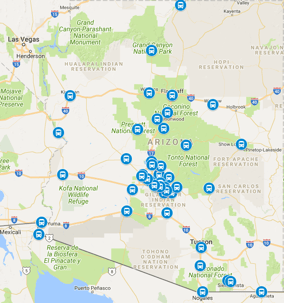
Saddle up and prepare to step back in time as we embark on an exhilarating adventure through Arizona's cowboy heritage. With the convenience of Arizona Shuttle, we invite you to relive the spirit of the Wild West and immerse yourself in the rich history, culture, and traditions of Arizona's cowboy legacy. From historic ranches to thrilling rodeos, get ready to experience the nostalgia and excitement of the cowboy lifestyle. Scottsdale transportation tips
Prescott: Arizona's Cowboy Capital
Discover the allure of Prescott, known as Arizona's Cowboy Capital. Prescott travel guide Explore the Prescott to Scottsdale shuttlesharlothallmuseum.org/" rel="noopener" target="_blank">Sharlot Hall Museum, showing Arizona's territorial history and showcasing cowboy artifacts. Visit Whiskey Row, a historic street with saloons and Western-themed establishments that harken back to the town's rowdy past. Take advantage of the World's Oldest Rodeo, held annually in Prescott since 1888, where you can witness thrilling cowboy competitions and rodeo events.
Tombstone: The Town Too Tough to Die
Travel to Tombstone, a legendary town synonymous with the Wild West. Step into the infamous OK Corral, where the legendary gunfight occurred between the Earp brothers and the Clanton gang. Explore historic sites like the Bird Cage Theatre, once a raucous saloon and theater, and discover the town's rich cowboy history at the Tombstone Courthouse State Historic Park. Attend reenactments and enjoy Western-themed events that bring Tombstone's cowboy heritage to life. Tombstone historic attractions
Wickenburg: Where the Old West Comes Alive
Journey to Wickenburg, a town deeply rooted in its cowboy traditions. Wickenburg historic attractions Embrace the charm of downtown Wickenburg, lined with Western-themed shops and eateries. Explore Rancho de los Caballeros, a historic guest ranch that offers guests the chance to experience cowboy life firsthand, from horseback riding to cattle drives. Visit the Desert Caballeros Western Museum, showcasing an extensive Western art and artifacts collection.
Scottsdale: Western Chic and Cultural Heritage
Experience the fusion of Western charm and contemporary sophistication in Scottsdale. Scottsdale transportation options Explore the Old Town district with art galleries, boutiques, and Western-themed establishments. Discover the Museum of the West, featuring exhibits celebrating the region's cowboy culture and art. Attend Western-themed events and festivals, such as the Parada del Sol Rodeo, which showcases thrilling rodeo competitions and a parade that honors Arizona's cowboy legacy.
Arizona's cowboy heritage comes alive as you journey through Prescott, Tombstone, Wickenburg, and Scottsdale, with Arizona Shuttle as your guide. Immerse yourself in the nostalgia of the Wild West, where historic ranches, rodeos, and Western attractions await. From witnessing thrilling cowboy competitions to exploring museums showcasing Arizona's cowboy legacy's rich history and culture, this adventure promises an unforgettable experience. Get ready to revive the spirit of the Wild West and embrace the cowboy lifestyle in the heart of Arizona.
Frequently Asked Questions
What can I see at the Sharlot Hall Museum in Prescott?
You can explore Arizona's territorial history and see cowboy artifacts at the Sharlot Hall Museum.
When is the World's Oldest Rodeo in Prescott held?
The World's Oldest Rodeo in Prescott is held annually since 1888, so check the specific date for this year's event.
What activities are available at Rancho de los Caballeros in Wickenburg?
At Rancho de los Caballeros, you can experience cowboy life firsthand with horseback riding and cattle drives.
Is there a specific Western-themed festival in Scottsdale I shouldn't miss?
The Parada del Sol Rodeo in Scottsdale showcases thrilling rodeo competitions and is a must-see event.
The Phoenix Art Scene: A Tapestry of Creativity
Long before you reach the cowboy towns of the territorial era, Arizona's largest creative community pulses through downtown Phoenix. The area between 7th Street and 7th Avenue, particularly along Roosevelt Street, has become a laboratory for experimental art practices, where murals, galleries, and converted warehouses sit side by side in the Roosevelt Row cultural district. If you are mapping out must-visit art galleries in Phoenix, start here: the walkable grid of the district means a single afternoon can take you from street murals to artist-run exhibition spaces without ever moving your car.
One anchor of this scene is MonOrchid, located at 214 E Roosevelt Street, Phoenix, AZ 85004. The venue exemplifies the collective spirit of the neighborhood, hosting exhibitions, photo studios, and community events under one roof. A short drive north, Practical Art, located at 5070 N Central Avenue, Phoenix, AZ 85012, operates as both a retail space and an artist collective, with local makers producing everything from hand-forged knives to leather goods and custom jewelry. It is one of the best places in the Valley to buy directly from the artists who shaped it — and every purchase supports a working member of Phoenix's local creative community.

Tucson's Artistic Enclave: Where Tradition Meets Innovation
How can you experience Tucson's artistic community in a single visit? Head straight for the warehouse district near the intersection of Toole Avenue and 6th Avenue, which contains the highest concentration of artist studios in Southern Arizona. Converted industrial buildings here hold working studios, print shops, and gallery spaces, and the district's regular art walks turn the neighborhood into an open-house celebration of Southern Arizona creativity.
MOCA Tucson (Museum of Contemporary Art Tucson), at 265 S Church Avenue, Tucson, AZ 85701, anchors the district, while adjacent buildings house independent collectives pushing experimental work. Across downtown, The Hut, located at 260 E Congress Street, Tucson, AZ 85701, distinguishes itself through its commitment to fostering emerging artists and experimental practices. The blend of adobe-era tradition and contemporary installation work makes Tucson a unique study in how a borderlands city tells its own stories through art. Plan your route with our Arizona Shuttle service for a door-to-door trip from Phoenix.
Sedona's Inspiring Landscape: A Haven for Artists
What kind of workshops does Sedona Arts Center offer? The center, located in Sedona's Uptown district along State Route 89A, has long served as the creative heart of the red rocks, offering arts instruction and community programming for artists at every level — check the center's current schedule for the season's exact class lineup, as offerings rotate throughout the year. Beyond the classroom, Sedona's landscape itself is the draw: the towering red rock formations have attracted painters, photographers, and sculptors for generations, and the town's Tlaquepaque Arts & Shopping Village gathers galleries and studios in a collection of plazas shaded by sycamore trees. Artists here describe the light as unlike anywhere else in the Southwest — which is precisely why Sedona remains a haven for landscape-driven work. Our Phoenix airport to Sedona shuttle guide covers the easiest ways to get there from PHX.
Flagstaff's Artistic Spirit: Where Mountains and Creativity Converge
Where can you find mountain-inspired art in Flagstaff? Start at the Flagstaff Arts Council, at 118 W Route 66, Flagstaff, AZ 86001, which coordinates with independent artist collectives throughout the city, providing resources, professional development, and promotional support. The council's downtown home sits directly on historic Route 66, steps from galleries whose exhibitions draw on the San Francisco Peaks, the ponderosa forests, and the high-desert night skies that define northern Arizona.
Flagstaff's elevation and dark-sky designation give its creative community a subject matter no other Arizona city can claim: alpine light, aspen groves, and star-filled skies. Pair your gallery visit with the town's historic downtown district, and consider extending the trip with our Prescott travel guide for a full northern-Arizona arts loop.
Bisbee's Bohemian Charm: A Haven for Alternative Art
Southeast of Tucson, in the Mule Mountains near the Mexican border, the former copper mining town of Bisbee has reinvented itself as one of Arizona's most distinctive artistic enclaves. Its steep, stair-lined streets and turn-of-the-century mining architecture now house independent galleries, studios, and vintage shops, drawing artists and free spirits who want to work outside the mainstream. Like Jerome — the historic mining town perched on Cleopatra Hill — Bisbee proves that Arizona's creative communities often grow directly out of its mining past, turning industrial heritage into cultural capital.
The Statewide Picture: AZ Creative Communities Institute
These city scenes do not exist in isolation. The Arizona Commission on the Arts convenes the AZ Creative Communities Institute (AZ CCI), in which nine teams formed the inaugural cohort, initially convened in 2017 and engaged for more than two years of community-embedded creative work. The institute's stories are documented in the AZ Creative Voices podcast series, produced with the Commission and available on Spreaker. Each episode spotlights a different Arizona community:
- Listen to "AZ Creative Voices podcast: Barrio Anita" on Spreaker — a historic Tucson neighborhood.
- Listen to "AZ Creative Voices podcast: Casa Grande" on Spreaker.
- Listen to "AZ Creative Voices podcast: Douglas" on Spreaker — a border community.
- Listen to "AZ Creative Voices podcast: Eastlake" on Spreaker.
- Listen to "AZ Creative Voices podcast: Flagstaff" on Spreaker.
- Listen to "AZ Creative Voices podcast: Globe" on Spreaker.
- Listen to "AZ Creative Voices podcast: Tempe" on Spreaker.
- Listen to "AZ Creative Voices podcast: Yuma" on Spreaker.
- Listen to "AZ Creative Voices: Partners" on Spreaker.
The Commission also maintains the AZ Creative Sector Directory on Art State Arizona, an organization "advancing Arizona through creative collaboration in every sector," and publishes news updates including its Creative Workforce Webinar Series and the upcoming AZ Youth Arts Council. Events like the Tempe Festival of the Arts — which transforms Mill Avenue into an open-air gallery twice a year — show how these statewide efforts surface in everyday life.
Arizona's Creative Communities at a Glance
| Community | Creative Anchor | Where to Find It |
|---|---|---|
| Phoenix (Roosevelt Row) | Experimental galleries & murals | Roosevelt Street, between 7th St & 7th Ave |
| Tucson | Warehouse-district artist studios; MOCA Tucson | Toole Ave & 6th Ave; 265 S Church Ave |
| Sedona | Landscape art & arts workshops | Uptown Sedona along SR-89A |
| Flagstaff | Mountain-inspired galleries | 118 W Route 66 |
| Bisbee | Alternative & bohemian art scene | Historic mining town, Mule Mountains |
Getting There: Phoenix Shuttle from PHX Sky Harbor
Arizona's creative communities are spread across hundreds of miles of desert highway — which is where Airport Shuttle of Phoenix comes in. Airport Shuttle of Phoenix is located at 4600 E Washington St Ste 300, Phoenix, AZ 85034, minutes from Phoenix Sky Harbor International Airport, and provides an Airport Shuttle to Any Address or Door in the State on Your Schedule, 24/7. Whether you are flying into PHX Sky Harbor for a Roosevelt Row gallery night, continuing south on I-10 to Tucson's warehouse district, or heading north on I-17 to Flagstaff, a reserved shuttle means you never have to navigate unfamiliar highways after a long flight. Call (480) 710-3441 to arrange pickup at any time, day or night.
Frequently Asked Questions
What are some must-visit art galleries in Phoenix?
Focus on the Roosevelt Row district between 7th Street and 7th Avenue. MonOrchid at 214 E Roosevelt Street hosts rotating exhibitions, and Practical Art at 5070 N Central Avenue showcases work from dozens of local makers under one roof.
How can I experience Tucson's artistic community?
Visit the warehouse district near Toole Avenue and 6th Avenue, where Southern Arizona's highest concentration of artist studios is located. MOCA Tucson and The Hut on E Congress Street round out a full day of contemporary art.
What kind of workshops does Sedona Arts Center offer?
The Sedona Arts Center offers arts instruction and community programming for artists of all levels in its Uptown Sedona home; class offerings rotate, so check the center's current schedule before your visit.
Where can I find mountain-inspired art in Flagstaff?
The Flagstaff Arts Council at 118 W Route 66 connects visitors with galleries and artist collectives whose work draws on the San Francisco Peaks and northern Arizona's forests and night skies.
What is the AZ Creative Communities Institute?
The AZ Creative Communities Institute is a program of the Arizona Commission on the Arts; its inaugural cohort of nine teams was convened in 2017 and engaged for more than two years, with stories documented in the AZ Creative Voices podcast.
Which Arizona event turns a street into an open-air gallery?
The Tempe Festival of the Arts transforms Mill Avenue in Tempe into an open-air gallery twice a year, featuring artists, live demonstrations, and local vendors.
How do I arrange transportation between Arizona's art towns?
Airport Shuttle of Phoenix offers 24/7 door-to-door service statewide. Call (480) 710-3441 or reserve online to arrange a pickup from PHX Sky Harbor or any address in Arizona.