Antelope Canyon is the most photographed slot canyon in the American Southwest, and nearly every visitor gets there through Phoenix. The drive from Phoenix Sky Harbor to the canyon runs about 280 miles each way, most of it on fast interstate and divided highway, with roughly 4 hours 30 minutes of wheel time on clear roads. That number surprises first-time visitors who expect a quick desert hop, so planning around the real distance is the difference between a relaxed tour day and a white-knuckle sprint.
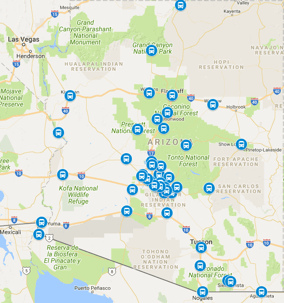
The corridor breaks into two natural legs. Phoenix to Flagstaff covers about 145 miles up I-17 North through Black Canyon City, the Sunset Point grade, and Cordes Junction, taking around 2 hours 30 minutes. Flagstaff to Page covers roughly 135 more miles on US-89 North past the San Francisco Peaks, Gray Mountain, and the Cameron trading-post junction, taking about 2 hours 15 minutes. Antelope Canyon sits just east of Page, minutes from the US-89 and AZ-98 junction, so the final approach is short once you reach town.
The drive, waypoint by waypoint
Many travelers planning connecting trips also read our phoenix airports compared shuttle guide and verde canyon railroad day trip from phoenix guide shuttle for schedules and door-to-door pickups.
Northbound from Sky Harbor, I-17 climbs out of the Valley through Black Canyon City and up the Sunset Point grade, one of the steeper sustained climbs in the state. Past Cordes Junction, where SR-69 splits west toward Prescott, the freeway rolls through pine country into Flagstaff at 7,000 feet. Our Phoenix to Flagstaff shuttle runs this exact first leg door to door, and self-drivers should treat Flagstaff as the natural fuel, food, and rest stop: it sits almost exactly at the halfway point.
From Flagstaff, US-89 North descends the high country past Sunset Crater and Wupatki country, crosses the Little Colorado River gorge near Cameron, and climbs the Echo Cliffs into Page. This second leg is two-lane highway in stretches with long sight lines and few services between Cameron and Page, so top off fuel in Flagstaff or Cameron. The AZ-98 turnoff east of Page leads directly to the Antelope Canyon tour-operator lots, and parking there is organized by tour company, so have your confirmation details handy before you arrive.
Every way to make the trip, compared
A private door-to-door shuttle leaves when you land and carries you the whole corridor without a rental counter, with flight tracking on the airport end and help with luggage at each stop. Travelers who pair the canyon with red-rock country often route through Sedona first, since our Flagstaff to Sedona shuttle covers the connecting leg between the interstate corridor and Oak Creek Canyon. For groups, splitting one private vehicle usually works out to a sensible per-person figure while keeping the whole party on the same schedule.
Driving yourself keeps maximum flexibility for sunrise and sunset tours, which book out first and sit at opposite ends of the day. Rental cars from the Sky Harbor Rental Car Center put you on I-17 within minutes of landing. The tradeoff is total attention: nearly nine hours of round-trip driving across two days, plus parking and fuel, all while navigating an unfamiliar high-desert route after a flight. Many visitors split the difference with a shuttle one way and a rental for the local Page touring days.
Timing your arrival around tour slots
Antelope Canyon is visitable only on guided tours, and the famous light beams in Upper Antelope Canyon appear around midday, which makes late-morning slots the most contested inventory in northern Arizona. Book tours weeks ahead in spring and fall, and plan to arrive in Page the night before a morning tour rather than driving up same-day. A 4:30 road time means a 6 a.m. Valley departure at the earliest for a late-morning tour, with zero room for traffic on the I-17 grade or construction delays near Sunset Point.
Season matters more than most visitors expect. Summer monsoon storms can trigger flash-flood closures of the slot canyons with little notice, and tour operators cancel for safety when storms build over the watershed. Check your operator's weather policy the evening before, keep your phone charged for same-day updates, and build a backup plan around Horseshoe Bend Overlook or the Glen Canyon Dam overlook, both of which sit minutes from Page and need no reservation.
What to know before you go
Upper and Lower Antelope Canyon are separate canyons with separate operators on Navajo Nation land, and tickets are not interchangeable. Upper Canyon is a flat walk through tall chambers famous for light beams, while Lower Canyon descends ladders and stairs through narrower, more sculpted passages. Photographers tend to prefer Lower Canyon for texture and color, while first-time visitors chasing the classic beam shots aim for Upper Canyon at midday.
Pack for walking on deep sand in both canyons, wear closed shoes with grip for Lower Canyon ladders, and leave tripods and large bags behind since both operators restrict gear. Summer canyon floors run hot and still, so carry water even on a 90-minute tour. Winter brings smaller crowds and softer light, which many repeat visitors quietly prefer, though early-morning tours can start cold on the rim before you descend into the sheltered slots.
Frequently asked questions
How long is the drive from Phoenix to Antelope Canyon?
About 4 hours 30 minutes each way on clear roads, covering roughly 280 miles via I-17 North to Flagstaff and US-89 North to Page. Allow extra time in summer monsoon season and around holiday weekends on the I-17 grade.
Can you do Antelope Canyon as a day trip from Phoenix?
It is possible but demanding: nine-plus hours of driving around a 60 to 90 minute tour. Most visitors stay overnight in Page, which also unlocks sunrise Horseshoe Bend and an unhurried Glen Canyon Dam stop.
Do you need a tour to enter Antelope Canyon?
Yes. Both Upper and Lower Antelope Canyon sit on Navajo Nation land and are accessible only with an authorized guided tour booked in advance. Walk-up availability is rare in peak months.
Which is better, Upper or Lower Antelope Canyon?
Upper Canyon offers the famous midday light beams on a flat walk, while Lower Canyon offers ladders, narrower passages, and richer reflected color. If time allows, touring both across two days is the classic enthusiast itinerary.