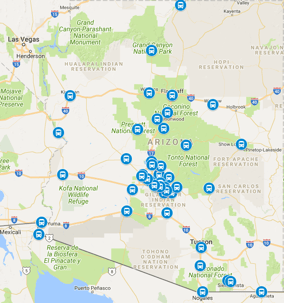
Arizona is home to a few of the most breathtaking natural wonders in the United States. From the stunning rock formations of the Grand Canyon to the ancient ruins of Canyon de Chelly, there is no shortage of beauty to discover. In this guide, we'll take a closer look at Arizona's best national parks and monuments so that you can plan your next adventure in this great state with the Arizona Shuttle.
Grand Canyon National Park
A visit to Arizona would only be complete with a trip to the Grand Canyon. This awe-inspiring natural wonder is over 277 miles long, up to 18 miles wide, and more than a mile deep. Visitors can take in the stunning views from the South Rim or venture down into the canyon on a hike. The Grand Canyon is a must-see destination with its unique geology, diverse plant and animal life, and rich history. Best way to reach the Grand Canyon
Petrified Forest National Park
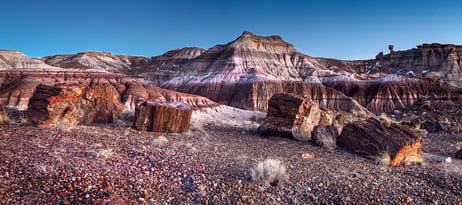
Petrified Forest National Park is a geological wonderland home to some of the most unusual rock formations in the world. Visitors can explore the park's ancient petrified trees, colorful badlands, and historic pueblo ruins. The park also has an impressive collection of fossils and exhibits that showcase the area's history. Planning this trip? Door-to-door service is available on our Arizona Shuttle service page.
Saguaro National Park
Saguaro National Park is near Tucson and is home to a few of the world's largest and oldest saguaro cacti. Visitors can explore the park on foot, bike, or on horseback, taking in the stunning desert landscapes and diverse wildlife. The park also has a visitor center with exhibits and information about the history and ecology of the area. Traveling from Phoenix to Tucson
Canyon de Chelly National Monument
Canyon de Chelly National Monument is a hidden gem in Arizona's northeast corner. This stunning canyon is home to ancient ruins and petroglyphs that offer a glimpse into the lives of the area's early inhabitants. Visitors can take a guided tour or hike one of the park's many trails to explore the canyon's natural beauty.
Organ Pipe Cactus National Monument
Organ Pipe Cactus National Monument is located on the Mexican border and is home to various plants and animals, including the park's namesake organ pipe cactus. Visitors can explore the park on foot, by car, or on a guided tour, taking in the area's stunning landscapes and unique ecology.
In conclusion, Arizona's national parks and monuments offer few of the most stunning natural beauty in the world. From the Grand Canyon to Canyon de Chelly, these parks are a must-see for anyone who loves nature and adventure. So pack your bags, hit the road, and get ready to discover the natural wonders of Arizona with Arizona Shuttle.
Frequently Asked Questions
What are some unique rock formations I can see at Petrified Forest National Park?
Petrified Forest National Park features ancient petrified trees, colorful badlands, and historic pueblo ruins.
How can I explore the Grand Canyon if I want to go beyond just viewing from the South Rim?
You can venture down into the canyon on a hike for a closer look at its unique geology and diverse plant and animal life.
What makes Saguaro National Park special?
Saguaro National Park is home to some of the world's largest and oldest saguaro cacti, along with stunning desert landscapes and diverse wildlife.
Is there a way to see ancient ruins in Arizona without going far from Phoenix?
Yes, Canyon de Chelly National Monument offers guided tours and trails showcasing ancient ruins and petroglyphs near Arizona's northeast corner.
More Natural Wonders of Arizona You Shouldn't Miss
The national parks above are only the beginning. Travel writers from Family Destinations Guide and Holidays.com count more than a dozen must-see natural wonders across the state, and many of the most spectacular — slot canyons, limestone caves, natural bridges, and a meteor impact site — sit far outside the park boundaries. Here are the additional landmarks that belong on any Arizona itinerary.
Kartchner Caverns State Park
Near Benson, south of Tucson off State Route 90, Kartchner Caverns is one of the youngest major cave discoveries in the country. Two cavers found it in 1974 after squeezing through a small opening in the hillside — and what they found inside left them completely speechless. The cave's humidity is maintained at nearly 99 percent to keep the formations alive and actively growing, so you'll feel that warm, moist air wrap around you the moment you step inside. Guided tours are the only way in, which helps protect the delicate living cave.
Tonto Natural Bridge State Park
Tucked into the pine country below the Mogollon Rim near Payson, Tonto Natural Bridge is believed to be one of the largest natural travertine bridges in the world. The bridge arches 183 feet above a green, mossy canyon, and a clear stream flows through the tunnel beneath it with a quiet persistence that's been going on for thousands of years. Short viewpoints near the parking area make it accessible, while steeper trails descend into the canyon for those who want to stand beneath the arch.
Meteor Crater
Just off I-40 at Exit 233 near Winslow, Meteor Crater is one of the best-preserved impact craters on Earth. It is nearly a mile wide and drops more than 550 feet from rim to floor, and the moment you step up to the edge, your brain takes a second to catch up with what your eyes are seeing. Guided rim tours are available and give you a closer look at the crater's geological features while a guide explains what happened here roughly 50,000 years ago. It pairs easily with a drive along I-40, the same corridor that follows historic Route 66 through northern Arizona.
The Wave, Coyote Buttes North
The Wave, on the Arizona–Utah border in the Vermilion Cliffs National Monument area, is arguably the most photographed swirl of striped sandstone in the American Southwest. The hike is about 6 miles round trip across open desert with no marked trails — you'll navigate using a map and reference photos provided with your permit, which is issued through a lottery system. Permits are strictly limited to protect the formation, so plan well ahead and never attempt it without one.
Chiricahua National Monument
Sometimes called a "wonderland of rocks," Chiricahua National Monument southeast of Willcox protects thousands of towering rhyolite spires. Over 17 miles of hiking trails thread through the monument, giving you plenty of ways to get up close with the formations and see the landscape from different angles. Its remote sky-island setting also makes it one of the quieter wonders in the state — a good pick if you want scenery without crowds.
Petrified Forest's Route 66 Legacy
One detail many visitors miss: Petrified Forest National Park is the only national park that preserves a section of historic Route 66 within its boundaries. Between the colorful badlands, ancient petrified logs, and historic structures, the park layers roadside Americana on top of natural beauty in a way no other Arizona destination does.
Quick Comparison: Arizona's Natural Wonders at a Glance
| Wonder | Nearest Town / Access | Best Known For |
|---|---|---|
| Grand Canyon | South Rim via AZ-64 | 277-mile canyon, a mile deep |
| Kartchner Caverns | Benson, off SR-90 | Living cave at ~99% humidity |
| Tonto Natural Bridge | Payson, off AZ-87 | 183-foot travertine arch |
| Meteor Crater | Winslow, I-40 Exit 233 | Mile-wide impact crater |
| The Wave | Vermilion Cliffs area (permit) | Striped sandstone swirls |
| Chiricahua | Willcox, southeast AZ | 17+ miles of rock-spire trails |
| Petrified Forest | I-40 / US-180 corridor | Petrified logs and Route 66 |
Tips for Visiting Arizona's Natural Wonders
Plan Around the Seasons
Northern wonders like the Grand Canyon, Meteor Crater, and The Wave are best in spring and fall, when desert heat is manageable. Southern sites such as Kartchner Caverns and Saguaro National Park are pleasant in winter. Always carry more water than you think you need — desert hikes like the unmarked trek to The Wave demand it year-round.
Book Permits and Tours Early
The Wave lottery, Kartchner Caverns guided tours, and Meteor Crater rim tours all have limited capacity. Reserving ahead is the difference between seeing these wonders and reading about them.
Leave the Driving to Us
Many of these landmarks involve long highway stretches — I-40 to Winslow, SR-90 to Benson, or US-180 toward the Grand Canyon. A scheduled shuttle service lets you enjoy the scenery instead of the road.
Frequently Asked Questions
What is the most famous natural wonder in Arizona?
The Grand Canyon is the state's most famous natural wonder — a 277-mile-long canyon up to 18 miles wide and more than a mile deep, viewed most easily from the South Rim.
Where is Meteor Crater and how big is it?
Meteor Crater is off I-40 Exit 233 near Winslow. It's nearly a mile wide, drops more than 550 feet from rim to floor, and formed about 50,000 years ago. Guided rim tours are available.
Do I need a permit to visit The Wave in Arizona?
Yes. The Wave requires a limited permit issued by lottery. The hike is about 6 miles round trip across open desert with no marked trails, so navigation by map and reference photos is required.
Can you go inside Kartchner Caverns on your own?
No. The cave is only accessible on guided tours, a policy that maintains the nearly 99 percent humidity needed to keep the formations alive and growing.
Is there a natural bridge in Arizona?
Yes. Tonto Natural Bridge near Payson arches 183 feet above a mossy canyon, with a clear stream flowing through the tunnel beneath it — believed to be among the largest natural travertine bridges in the world.
Which Arizona national park includes part of Route 66?
Petrified Forest National Park features a preserved section of historic Route 66, alongside petrified trees, colorful badlands, and historic pueblo ruins, making it rich in both history and natural beauty.
How many hiking trails are at Chiricahua National Monument?
Over 17 miles of hiking trails thread through the monument near Willcox, offering multiple angles on its famous rhyolite rock spires.