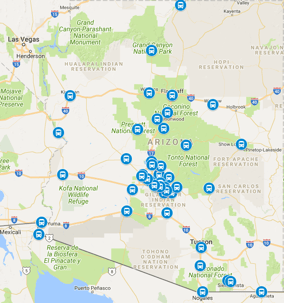
Arizona has its own ancient stories, which attract tourists to explore it. Its history is a never-ending process of discovering the legends and their experiences. Around 10,000 to 12,000 years ago, Paleo Indians were the residents of what is now called Arizona. This was the time when they followed big herds like Mammoths, Mastodons, and Bison. Many new civilizations had inhabited the state but mysteriously disappeared from the region during the 15th and 16th centuries. During the post-Archaic period, there were structures built out of stone. And as we keep listing, this would be a long list. But here are a few cities which are major tourist attractions when compared all over.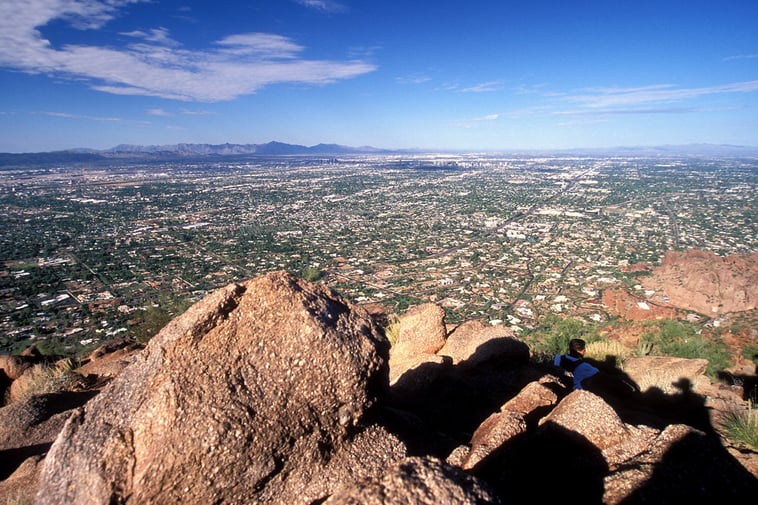 Phoenix to Tucson travel guide
1. Phoenix
This city is the capital and stands in the 11th position for having a dense population in the United States. Its population is about 4.85 people as of 2020. Valley of the Sun is the largest metropolitan area that covers a major part of central parts. Phoenix is an outdoor tourist attraction even because of its climate and environment. It has a fusion of performing art venues, Museums, and the famous phoenix zoo. Choosing airport shuttle options
2. Tucson
Tucson is the second largest city in the state of Arizona. It has a population of 5,42,629 as of 2020. Tucson happened to be founded as a military fort by the Spanish during the year 1775. It even served as the capital of Arizona from 1867 to 1877. It has a major interest in preserving the history and growth of art. It is a palace with a good number of museums about history and art collections. When we say art, it even includes literary art, performance art, and music. The place attracts tourists for its amazing desert and mouth-watering southwestern cuisine.
3. Mesa
It stands as the third largest city in the state of Arizona and is the most populated city in the east metropolitan area. With a population of 5,04,258. This place is surrounded by temples towards the west, Salt River Pima-Maricopa Indian Community on the north, and Apache on the east. Its attractions are parks, art centers, and museums. Its largest park is Red Mountain Park which includes a lake, playgrounds, and courts for volleyball and basketball. It provides fresh farm-picked veggies to satisfy the taste buds. It even has the largest art center in Arizona.
We have just pointed out a few of the places, but there are many more places that can be covered as per your taste and preference. Arizona shuttle is available 24/7 to help you complete your vacation plans and ensuring your safety as we run background checks of our drivers nationwide and only choose experts. Book our service to sit back and enjoy the vacation. For further information, contact us at (480) 710-3441.
Beyond the Metro Areas: Arizona’s Must‑See Natural Wonders
Arizona’s appeal extends far beyond its bustling cities. From the world‑famous rims of the Grand Canyon to the sculpted slot canyons near Page, the state offers a tapestry of landscapes that showcase some of the most stunning natural beauty in America (source: travellemming.com). Whether you’re road‑tripping along historic Route 66 or seeking solitude in a desert vortex, the following destinations round out any Arizona itinerary.
Grand Canyon National Park
The Grand Canyon is a masterpiece of erosion, stretching roughly 277 miles along the Colorado River and dropping more than a mile in depth at its deepest point. The South Rim, accessed via US 89 to State Route 64, is open year‑round and draws millions of visitors each year with iconic viewpoints such as Mather Point and Yaki Point. For a quieter experience, the North Rim (accessible via US 89 to US 67) is open from mid‑May through October. Hiking the Bright Angel Trail or taking a scenic helicopter tour over the canyon are popular ways to appreciate its scale. The park’s visitor centers provide up‑to‑date trail conditions and permit requirements for overnight backcountry use.
Sedona and the Red Rocks
Sedona sits about 115 miles north of Phoenix, reachable by Interstate 17 and the scenic US 89A. The town is famed for its towering red sandstone formations, which create a striking backdrop for hiking, mountain biking, and spiritual retreats. Must‑see sites include Cathedral Rock, Bell Rock, and the Chapel of the Holy Cross perched on a red‑rock cliff. For a hidden gem, the Birthing Cave—a natural sandstone alcove—offers a short, family‑friendly trek with rewarding panoramic views (source: travellemming.com). The nearby Slide Rock State Park provides natural water slides and swimming holes along Oak Creek, perfect for cooling off during the summer months.
Antelope Canyon
Located near the town of Page, Antelope Canyon is a series of sculpted slot canyons carved by flash‑flood waters. Upper Antelope Canyon (known as “The Corkscrew”) and Lower Antelope Canyon (“The Crack”) are best explored on guided tours, which are required to protect the fragile sandstone walls. The canyon’s famous light beams appear most dramatically around midday from late spring to early autumn. Access is via US 89, and most tours depart from Page, making it an easy add‑on to a road‑trip that includes Monument Valley or Lake Powell.
Monument Valley
Monument Valley straddles the Arizona‑Utah border and is instantly recognizable for its towering mittens‑shaped sandstone buttes that rise from the desert floor. The valley is accessed via US 163, with the famous “Mexican Hat” rock formation just a short drive away. Visitors can drive the 17‑mile Valley Drive, a graded dirt road that stops at key viewpoints such as John Ford’s Point and the Totem Pole. A sunrise or sunset visit paints the buttes in vibrant oranges and reds, making it one of the most photographed landscapes in the Southwest.
Flagstaff and the San Francisco Peaks
Flagstaff, situated roughly 140 miles north of Phoenix on I‑17, serves as a mountain‑town gateway to the San Francisco Peaks, the highest point in Arizona at 12,633 feet. In winter, the Arizona Snowbowl offers skiing and snowboarding, while summer draws hikers to the Humphreys Peak Trail. The city also hosts Lowell Observatory, where visitors can peer through historic telescopes, and its location on historic Route 66 provides retro diners and souvenir shops. The surrounding Coconino National Forest offers countless trails, including the popular Harding‑Snow‑Aize loop.
Lake Powell & Glen Canyon
Lake Powell, created by the Glen Canyon Dam, spreads across 1,900 miles of shoreline and is a paradise for water‑sports enthusiasts. The main access point is the town of Page, reachable via US 89 from Flagstaff. Houseboat rentals, jet‑ski tours, and fishing charters dominate the summer season, while the surrounding red‑rock canyons provide excellent hiking opportunities such as the Rim‑to‑Rim day hikes along the Wahweap drainage. The nearby Horseshoe Bend, a dramatic meander of the Colorado River, is a short 5‑minute drive from Page and rewards visitors with a stunning aerial view.
Jerome & the Verde Valley
Perched on the side of Mingus Mountain, Jerome is a former copper‑mining town turned artists’ colony. The town is accessible via US 89A, which winds through the scenic Verde Valley. Visitors can explore the Jerome State Historic Park, housed in the former mansion of the copper magnate, and tour working art studios that occupy historic miner’s cottages. The surrounding valley also offers wine tasting, with several vineyards and tasting rooms clustered around the towns of Clarkdale and Cottonwood.
Tombstone & the Old West
Tombstone, located about 70 miles southeast of Tucson via US 191, is synonymous with the Wild West. The town’s most famous site is the O.K. Corral, where the legendary gunfight took place in 1881. Costumed reenactments bring the historic showdown to life daily. Allen Street, the original main thoroughfare, is lined with preserved saloons, a courthouse museum, and the Boot Hill Graveyard, offering a vivid glimpse into 19th‑century frontier life.
Saguaro National Park
Saguaro National Park, surrounding Tucson, is divided into two districts: the Tucson Mountain District (west) and the Rincon Mountain District (east). Both showcase the iconic saguaro cactus, which can live for more than 150 years and grow up to 50 feet tall. The park’s scenic drives—like the Bajada Loop Drive in the western district—provide easy access to desert landscapes and wildlife such as desert tortoises and javelinas. Hiking trails range from short nature walks to multi‑day backcountry treks, making the park suitable for all fitness levels.
Lake Havasu City & the London Bridge
Lake Havasu City, perched on the shores of