Introduction
Have you ever dreamed of escaping the stress of everyday life to a serene place filled with natural beauty, spiritual renewal, and vibrant culture? If so, Sedona, Arizona, awaits you with its awe-inspiring red rock formations, peaceful atmosphere, and unique blend of luxury and rustic charm. Sedona is more than just a scenic spot—it’s a transformative experience. Particularly appealing to travelers aged 45 and older, this destination offers both tranquility and adventure, making it ideal for personal retreats, romantic getaways, family vacations, or wellness journeys. If you're contemplating why travel to Sedona, continue reading as we unveil the many reasons why Sedona should top your travel list. Sedona shuttle service
MORNING STRETCHES:
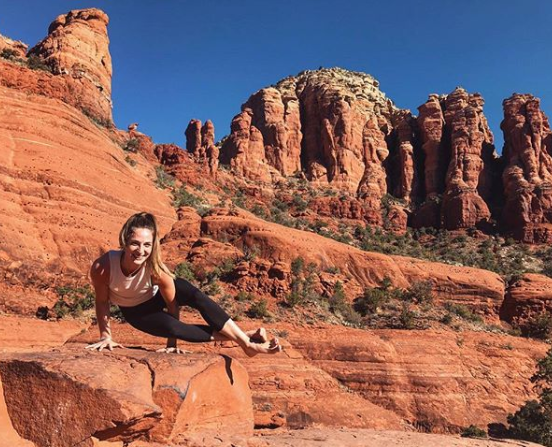
Yoga in front of the red rock mountains of Sedona.
Reason #1: Stunning Natural Beauty
Sedona’s landscape is a feast for the eyes, famed for its striking red rock formations and scenic vistas. Here are a few iconic landmarks:
Cathedral Rock
Known as one of Sedona’s most photographed spots, Cathedral Rock offers challenging hikes and breathtaking sunset views.
Bell Rock
Easily accessible trails around Bell Rock provide panoramic views and opportunities for quiet meditation or photography.
Oak Creek Canyon
Oak Creek Canyon is a lush, forested canyon offering picturesque drives, scenic overlooks, and refreshing swimming spots.
Reason #2: Rich Spiritual History and Energy Vortexes
Sedona is famous for its spiritual energy, often described as “vortexes”—locations thought to radiate healing and transformative powers.
Spiritual Retreats
Many travelers visit Sedona specifically for spiritual rejuvenation, yoga retreats, meditation centers, and holistic healing workshops.
Energy Vortexes
Popular vortex sites include Cathedral Rock, Bell Rock, Airport Mesa, and Boynton Canyon. Visitors frequently report feeling energized, healed, or profoundly inspired at these locations.
Reason #3: Exceptional Outdoor Recreation
Despite misconceptions, Sedona is far more than a desert—it offers lush greenery, mountain streams, and diverse wildlife.
Hiking Trails
Sedona provides hiking options ranging from easy strolls to challenging treks:
-
Devil’s Bridge Trail: Features Sedona’s largest natural sandstone arch.
-
West Fork Trail: Offers shaded trails and creek crossings, ideal for leisurely hikes.
Mountain Biking and Off-Road Adventures
Experience exhilarating mountain biking trails or jeep tours through rugged terrain and scenic routes.
Reason #4: Arts, Culture, and Entertainment
Sedona is a hub for artists and cultural enthusiasts:
Art Galleries
The town boasts over 80 galleries showcasing paintings, sculptures, jewelry, and crafts by renowned artists.
Sedona International Film Festival
An annual event attracting filmmakers and cinema lovers worldwide, celebrating independent films and creative storytelling.

Marriot Sedona
Reason #5: Luxurious Relaxation and Wellness Retreats
Sedona offers numerous luxury resorts, wellness spas, and holistic health centers:
Luxury Accommodations
From intimate bed-and-breakfast inns to high-end resorts, you’ll find accommodations that cater to relaxation and indulgence.
Spas and Wellness Centers
Sedona’s spas offer rejuvenating treatments such as massages, facials, energy healing, yoga, and meditation.
Reason #6: Proximity to Arizona’s Top Attractions
Sedona serves as an ideal base for exploring other iconic Arizona landmarks:
-
Grand Canyon National Park: A scenic two-hour drive.
-
Antelope Canyon: Offers stunning guided tours and photographic opportunities.
-
Flagstaff and Historic Route 66: Experience a blend of history, culture, and outdoor adventures.
Reason #7: Culinary Delights and Shopping Experiences
Sedona's culinary scene ranges from gourmet fine dining to charming local eateries:
Gourmet Dining
Enjoy sophisticated menus at upscale restaurants featuring local ingredients and exceptional wine selections.
Shopping Opportunities
Explore charming boutiques, specialty stores, and artisan markets for unique souvenirs, local art, and handcrafted jewelry.
Reason #8: Exceptional Climate and Stargazing
Sedona’s favorable climate makes it a year-round destination, with mild winters and pleasant summers.
Climate
The moderate temperatures range from 70 to 85 degrees Fahrenheit in spring and autumn, ideal for outdoor activities.
Stargazing
Sedona’s commitment to minimizing light pollution creates spectacular stargazing opportunities, offering clear views of the Milky Way and celestial wonders.
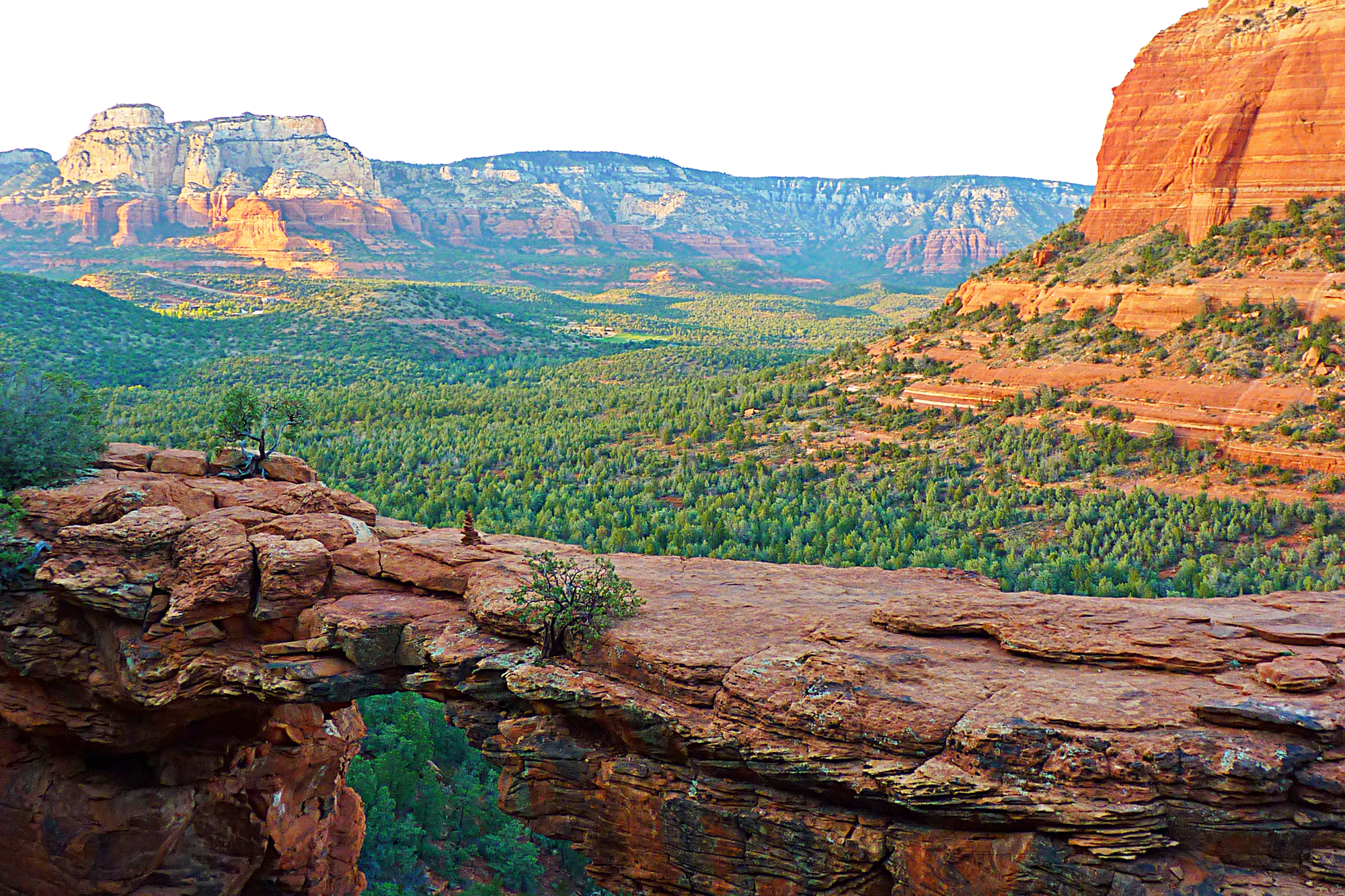
The best hiking. Think Arizona is just a desert. Think again...
Travel Tips for an Unforgettable Sedona Visit
To maximize your Sedona experience, keep these practical travel tips in mind:
-
Advance Reservations: Book accommodations, activities, and shuttle services early.
-
Dress Appropriately: Layer clothing to accommodate temperature fluctuations and outdoor activities.
-
Stay Hydrated: Arizona’s dry climate requires consistent hydration, especially when exploring outdoors.
Frequently Asked Questions (FAQs)
How many days should I spend in Sedona?
Ideally, 3-5 days allows you to experience major attractions, outdoor adventures, and relaxation fully.
Is Sedona suitable for older travelers?
Absolutely. Sedona offers gentle hiking trails, accessible viewpoints, luxury accommodations, and wellness-focused retreats perfect for travelers 45 and older.
When is the best time to visit Sedona?
Spring (March-May) and fall (September-November) provide optimal weather for outdoor activities.
What makes Sedona spiritually unique?
Sedona is renowned for energy vortexes believed to offer healing properties, attracting visitors seeking spiritual growth and wellness.
Conclusion
Why travel to Sedona? Simply put, Sedona offers an unmatched combination of natural beauty, spiritual renewal, cultural experiences, luxurious relaxation, and outdoor adventure. Whether you're captivated by the red rock vistas, intrigued by spiritual vortexes, drawn to art and culture, or simply seeking tranquility, Sedona has something extraordinary waiting for you. Plan your visit today and discover why this magical Arizona town continues to inspire visitors from around the world.
Your unforgettable journey to Sedona awaits—embrace the serenity, adventure, and transformative experiences that only Sedona can provide!
How to Get to Sedona
Reaching Sedona is straightforward, with the city serving as a convenient destination from multiple directions. Most visitors arrive by car, and the drive itself becomes part of the adventure as the landscape transitions from Arizona desert to the iconic red rock scenery.
Driving from Phoenix
The most common route involves driving north from Phoenix on I-17 for approximately 115 miles, then transitioning to SR-179 (the Red Rock Scenic Byway) for the final stretch into Sedona. This approximately 2-hour drive offers progressively stunning views as you approach the red rock formations. SR-179 is designated a Scenic Byway and passes directly by landmarks like Bell Rock and Cathedral Rock, giving visitors their first glimpses of Sedona's famous terrain.
From Flagstaff
If arriving from the north, take US-89A south through Oak Creek Canyon. This 30-mile route winds through a lush forest canopy before descending into Sedona, offering a dramatically different but equally beautiful approach. The drive takes roughly 30-45 minutes depending on traffic and weather conditions.
From the Grand Canyon
The South Rim of the Grand Canyon is approximately a 2-hour drive to Sedona via I-64 and US-89A, making Sedona an ideal addition to a Grand Canyon itinerary. Many travelers choose to visit both destinations in a single trip, as the routes connect well.
Getting Around Sedona
Once in Sedona, having a personal vehicle is recommended for accessing trailheads and surrounding attractions. The main tourist areas—Uptown, West Sedona, and the Village of Oak Creek—are connected by SR-179 and US-89A. For those preferring not to drive, shuttle services operate between major points, and several companies offer guided tours that include transportation from Phoenix.
Best Time to Visit Sedona
Sedona welcomes visitors year-round, though each season offers a distinctly different experience. Choosing when to visit depends on your priorities regarding weather, crowds, and available activities.
| Season | Avg. Temperature | Crowd Level | Best For |
|---|---|---|---|
| Spring (March-May) | 60–80°F (16–27°C) | Moderate | Hiking, wildflower viewing, comfortable temps |
| Summer (June-August) | 85–100°F (29–38°C) | High | Monsoon photography, creek activities |
| Fall (September-November) | 60–80°F (16–27°C) | Moderate to High | Pleasant hiking, fewer crowds than spring |
| Winter (December-February) | 30–55°F (-1–13°C) | Low to Moderate | Quiet exploration, photography, mild hiking |
Spring and fall generally offer the most balanced conditions for outdoor activities, with daytime temperatures in the 60-80°F range and comfortable conditions for hiking. Summer brings higher temperatures and afternoon monsoon storms, but the dramatic cloud formations and lightning displays create unique photography opportunities. Winter sees fewer visitors, making it ideal for those seeking solitude, though some higher elevation trails may experience icy conditions.
Sedona Red Rock Pass and Trail Access
To access many of Sedona's trailheads and recreation sites, visitors will need a Red Rock Pass. This pass helps fund trail maintenance, visitor services, and conservation efforts throughout the area.
Pass Options
- Daily Pass: Approximately $5 per vehicle, per day (estimate)
- Weekly Pass: Approximately $15 per vehicle, valid for 7 consecutive days (estimate)
Passes can be purchased at self-service pay stations located at major trailheads, including the Bell Rock, Cathedral Rock, and Broken Arrow trailhead parking areas. Some smaller trailheads may not have pay stations, so visitors should plan accordingly and purchase passes where available.
Where to Get Information
The Sedona Visitor Center, located at 331 Forest Road in Uptown Sedona, serves as the primary resource for trip planning. Staff and volunteers are available daily to assist visitors starting at 8:30 a.m., providing maps, trail condition updates, and local recommendations. The visitor center assists more than 200,000 visitors annually with trip planning needs.
Sedona Trip Planning: Frequently Asked Questions
How many days should I spend in Sedona?
Most visitors find that 2 to 3 days provides a solid introduction to Sedona's main attractions. For families with young children, this timeframe allows for manageable pacing. Travelers interested in extensive hiking, photography, or exploring nearby attractions like the Grand Canyon may want to plan 4 to 5 days or longer. A 6-day itinerary allows for a thorough exploration without feeling rushed.
Do I need a car in Sedona?
While shuttle services and tours are available, having a personal vehicle provides the most flexibility for accessing trailheads and exploring at your own pace. Many of Sedona's best hiking trails and viewpoints require driving to remote trailhead parking areas. If flying into Phoenix, renting a car for the Sedona portion of your trip is generally recommended.
What should I pack for hiking in Sedona?
Essential items include sturdy hiking shoes, sun protection (hat, sunscreen, sunglasses), plenty of water (at least 2 liters per person for moderate hikes), and layered clothing. Trail conditions can vary significantly between shaded creek areas and exposed ridgelines. For longer hikes like the West Fork Trail or Broken Arrow Trail, bring snacks and a basic first aid kit.
Are there any trail closures I should know about?
Some trails and recreation sites may be temporarily closed due to post-fire conditions or maintenance. Before heading out, check current conditions at the Sedona Visitor Center or on local park websites. The visitor center staff can provide real-time updates on trail accessibility and safety considerations.
Is Sedona suitable for beginners or non-hikers?
Absolutely. Sedona offers experiences beyond hiking that cater to all fitness levels. The Pink Jeep Tours navigate rugged 4×4 trails like Broken Arrow Trail for those who want off-road adventure without hiking. The Tlaquepaque Arts & Crafts Village features over 50 boutique shops in Mexican-styled buildings perfect for strolling. Scenic drives along SR-179 and viewpoints at Airport Mesa require no hiking but deliver memorable experiences. Additionally, the town hosts over 80 galleries showcasing art from internationally recognized and emerging local artists, providing cultural enrichment without physical demands.
Can I visit Sedona as a day trip from Phoenix?
While a day trip from Phoenix is possible given the approximately 2-hour drive, most travelers find that Sedona deserves more time. A single day allows for visiting a few key attractions but doesn't allow for meaningful hiking or exploration. If time is limited, prioritize the landmarks along SR-179 such as Cathedral Rock and Bell Rock, followed by a meal in Uptown Sedona before returning to Phoenix.
What makes Sedona different from other Arizona destinations?
Sedona's unique combination of dramatic red rock scenery, spiritual vortex sites, thriving arts community, and proximity to diverse landscapes sets it apart. The town manages to balance tourism infrastructure with natural preservation, offering luxury accommodations and wellness retreats while maintaining access to over 300 miles of trails. Unlike the Grand Canyon's vast scale or Phoenix's urban sprawl, Sedona's compact layout allows visitors to experience a sense of place that feels both adventurous and intimate.