Welcome to the captivating realm of Arizona's mythology, where ancient legends and mythical tales intertwine with the state's stunning landscapes. Join Arizona Shuttle as we embark on a journey that unravels the rich tapestry of mythological stories and legends that have shaped Arizona's cultural heritage. From sacred creatures to ancient treasures, Arizona's mythology offers a fascinating glimpse into the beliefs and traditions of its indigenous peoples. Let us guide you through this enchanting world as we explore the captivating tales and mythical wonders that await in the heart of Arizona.
The Legend of the Thunderbird
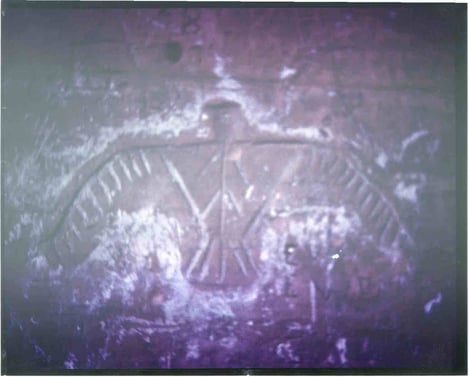
The Thunderbird, a majestic creature believed to control the power of thunder and lightning, holds great significance in Native American cultures. Discover the mythological origins of the Thunderbird and its importance in the spiritual beliefs of various tribes. Visit sacred sites, such as the Thunderbird Petroglyphs, where ancient rock carvings depict this legendary creature. Thunderbird Petroglyphs visit
The Story of Kokopelli
The mischievous flute player Kokopelli is a beloved figure in Native American folklore. Delve into the enchanting tale of Kokopelli and learn about his role as a symbol of fertility, joy, and abundance. Explore ancient petroglyphs and pottery adorned with Kokopelli's iconic image, and discover how this legendary character continues to inspire artists and musicians today. Kokopelli petroglyph exploration
The Mystery of Montezuma's Gold
Venture into the realm of legends as we unravel the enigma of Montezuma's Gold. Discover the mythical treasure believed to be hidden within the rugged landscapes of Arizona. Follow the footsteps of explorers and treasure hunters who sought to uncover this legendary fortune and learn about the intriguing theories and tales surrounding its existence. Lake Montezuma shuttle Montezuma's Gold search
The Lost City of Cíbola
Immerse yourself in the captivating lore of the Lost City of Cíbola, a legendary city rumored to be filled with unimaginable riches. Explore the historical accounts and archaeological evidence fueling this mythical city's mystery. Visit ancient Native American sites, such as Casa Grande Ruins National Monument, and ponder the possibility of uncovering the secrets of Cíbola.
The Haunting of the Superstition Mountains
Embark on a thrilling journey into the Superstition Mountains, where eerie tales and ghostly encounters have shaped the region's mythology. Discover the legends surrounding the Lost Dutchman's Mine, a fabled treasure said to be guarded by supernatural forces. Explore the rugged trails of the Superstition Wilderness and hear the stories of those who claim to have encountered paranormal phenomena within this mystical landscape.
As you embark on a mythical adventure with Arizona Shuttle, the captivating mythology of Arizona will come to life. Arizona's rich folklore and legends will ignite your imagination, from the mighty Thunderbird to the mischievous Kokopelli, from tales of hidden treasures to the haunting Superstition Mountains. Prepare to be enchanted as you unravel the ancient stories and embark on an unforgettable exploration of Arizona's mythical wonders. Book your journey with Arizona Shuttle today and immerse yourself in the captivating tapestry of Arizona's mythology.
Frequently Asked Questions
What are some good places to see Thunderbird Petroglyphs?
Visit the Thunderbird Petroglyphs site where ancient rock carvings depict this legendary creature.
Can you tell me more about Kokopelli's role in Native American folklore?
Kokopelli is a symbol of fertility, joy, and abundance, often depicted playing a flute in petroglyphs and pottery.
What are some theories behind Montezuma's Gold?
Theories suggest it could be hidden treasures within Arizona's rugged landscapes, sought by many explorers over time.
Where can I learn more about the Lost City of Cíbola?
Explore Casa Grande Ruins National Monument for historical accounts and archaeological evidence related to this mythical city.
Where to Experience Arizona's Mythology Firsthand: A Site-by-Site Guide
Reading about Arizona's legends is one thing — standing where those legends were carved into stone is another. The stories of the Thunderbird, Kokopelli, Montezuma's Gold, and the Lost Dutchman are all tied to specific, publicly accessible places across the state. The table below matches each major legend to real destinations you can visit, along with the highways that get you there.
| Destination | Legend It Connects To | Location | Getting There |
|---|---|---|---|
| Lost Dutchman State Park | Lost Dutchman's Mine and Superstition Mountain hauntings | Apache Junction, at the base of the Superstition Mountains | US 60 east from Phoenix, then State Route 88 (the historic Apache Trail) |
| Deer Valley Petroglyph Preserve | Thunderbird and other rock-art symbolism | Northwest Phoenix, along the Skunk Creek wash | I-17 through north Phoenix |
| Montezuma Castle National Monument | Montezuma's Gold and Aztec-treasure mythology | Camp Verde, in the Verde Valley | I-17 north from Phoenix toward Flagstaff |
| Casa Grande Ruins National Monument | Cíbola and the Seven Cities of Gold | Coolidge, south of Phoenix | I-10 or State Route 87 (Beeline Highway) south |
| Palatki and Honanki Heritage Sites | Kokopelli imagery and Sinagua rock art | Red Rock country west of Sedona | State Route 89A through Sedona, then forest roads |
| Signal Hill, Saguaro National Park | Hohokam petroglyphs, including spiral and animal motifs | Tucson Mountain District, west Tucson | I-10 to Speedway Boulevard west |
The Superstitions: Arizona's Most Myth-Soaked Mountains
If you only have time for one mythological day trip from Phoenix, make it the Superstitions. Lost Dutchman State Park sits directly beneath the massif's western face, and its trailheads — including the Siphon Draw Trail toward the Flatiron formation — put you on the same terrain where the Dutchman's legend has played out for more than a century. Just beyond the park, State Route 88 becomes the Apache Trail, a winding historic route past Canyon Lake and Tortilla Flat, where the road eventually turns to dirt. Check current road conditions before continuing past Fish Creek Hill, as closures are common.
The Verde Valley: Where Treasure Myths Meet Real Archaeology
The drive north on I-17 connects two of Arizona's most mythologically loaded sites. Montezuma Castle National Monument near Camp Verde preserves a cliff dwelling whose name reflects a persistent mistake: early settlers assumed it was Aztec, tying the region to Emperor Montezuma and, by extension, to the legend of his hidden treasure. Nearby Montezuma Well, a limestone sinkhole with constant natural spring flow, adds another layer of mystery to the visit. Continue toward Sedona on State Route 89A to reach the Palatki and Honanki heritage sites, where rock panels include figures often associated with the Kokopelli tradition. These sites typically require advance reservations through the U.S. Forest Service, so plan ahead.
Planning a Mythology Road Trip from Phoenix
Arizona's mythological sites cluster conveniently around the state's major corridors, which makes it easy to build an itinerary around the legends rather than fighting geography to reach them.
The Northern Loop: I-17 Corridor
Start at Deer Valley Petroglyph Preserve in north Phoenix, then follow I-17 north. In roughly an hour you reach the Black Canyon City area, and beyond it the Verde Valley's cliff dwellings and rock-art sites. If you extend the trip toward Flagstaff, add Walnut Canyon National Monument and Wupatki National Monument, both easily reached from US 89 and I-40. Wupatki's masonry pueblos on the open plateau north of Sunset Crater make a striking backdrop for discussing the region's ancestral stories, and the National Park Service offers interpretive materials at each site to help separate documented history from enduring myth.
The Southern Loop: US 60 and I-10
Head east on US 60 through Apache Junction for the Superstition Mountains, then circle south on I-10 to Coolidge for Casa Grande Ruins National Monument. The monument's Great House, built by the Ancestral Sonoran Desert People roughly 700 years ago, is exactly the kind of structure early Spanish explorers interpreted through the lens of the Cíbola legend — a real place transformed by rumor into a city of gold. Pairing the two stops in a single day shows how tightly Arizona's mythology and archaeology are braided together.
How to Visit Arizona's Sacred and Mythological Sites Respectfully
Many of the places tied to Arizona's legends remain culturally significant to tribal communities today, including the Hopi, Zuni, O'odham, Yavapai, and Apache nations. A few practices keep your visit welcome and sustainable:
- Never touch petroglyphs or pictographs. Oils from skin and rubbing accelerate the erosion of rock art that has survived for centuries.
- Stay on marked trails. Archaeological deposits lie close to the surface at most sites, and off-trail travel can damage them invisibly.
- Leave artifacts where they find them. Collecting pottery shards or stone tools from public land is prohibited by federal law.
- Check access rules before you go. Some heritage sites — Palatki and Honanki among them — limit visitor numbers and require reservations; certain tribal lands require permits or do not permit casual visits at all.
- Follow posted photography guidance. Photography is generally allowed at national monuments, but rules can differ on tribal land and at guided heritage sites.
When to Go: Timing Your Mythology Tour
The Sonoran Desert sites — the Superstitions, Deer Valley, Casa Grande, and Saguaro National Park — are most comfortable from late fall through early spring, when Phoenix-area temperatures moderate. Summer visits should start at dawn; Lost Dutchman State Park's trails are exposed, and shade is scarce. The higher-elevation Verde Valley and Sedona sites stay noticeably cooler and are pleasant nearly year-round, though monsoon storms from midsummer into early fall can bring flash flooding to the Apache Trail and Verde River crossings. As a general rule, treat sunrise as the ideal visiting hour: cooler temperatures, thinner crowds, and the low-angle light that makes petroglyph panels easiest to read.
FAQs About Unearthing Arizona's Mythology
Can you actually visit the places in these legends?
Yes. Most of Arizona's mythological sites — Lost Dutchman State Park, Montezuma Castle, Casa Grande Ruins, and several petroglyph preserves — are open to the public, though some heritage sites require advance reservations.
The Deer Valley Petroglyph Preserve in northwest Phoenix, reached via I-17, protects one of the largest concentrations of Hohokam petroglyphs in the metro area and is a natural starting point for Thunderbird symbolism.
Is the Lost Dutchman's Mine real?
No mine has ever been documented, despite more than a century of searching in the Superstition Mountains. The legend itself is very real, however, and shapes much of the culture of Apache Junction and the surrounding area.
Why is Montezuma's Castle connected to Montezuma's Gold if it isn't Aztec?
Early settlers mistakenly believed the cliff dwelling was built by Aztecs and linked it to Montezuma's treasure. Archaeologists attribute the structure to the Sinagua people, but the mythic name stuck and helped spread the treasure legend through the Verde Valley.
What is the easiest day trip for combining two legends?
The US 60/I-10 loop from Phoenix pairs the Lost Dutchman's legend in the Superstitions with the Cíbola legend at Casa Grande Ruins National Monument in Coolidge, making a full but manageable day.
Do I need permits for petroglyph sites in Arizona?
National monuments and state parks require only standard entry, typically paid at the gate. U.S. Forest Service heritage sites near Sedona often require reservations, and visits on tribal land may require separate permits — always check the managing agency's current requirements before traveling.
How can I tell the difference between archaeology and mythology at these sites?
Let the interpretive materials lead. Park Service and museum signage at places like Casa Grande and Montezuma Castle clearly separates documented history from later legend, which is part of what makes unearthing Arizona's mythology so rewarding — the real stories and the myths grow from the same ground.