Arizona is a photographer's paradise, with stunning landscapes and natural wonders that make for some genuinely amazing shots. Whether you're an amateur photographer or an experienced pro, Arizona's diverse terrain provides plenty of opportunities to capture the perfect image. Here are a few of the best photography spots in Arizona, with easy transportation options available through Arizona Shuttle.
Antelope Canyon
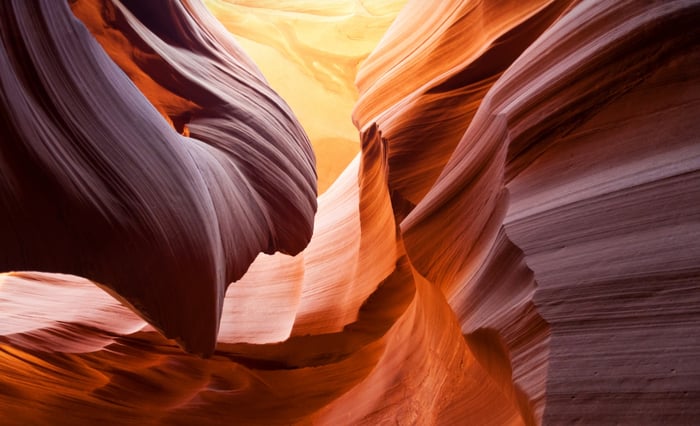
Located on Navajo land near Page, Antelope Canyon is a slot canyon famous for its mesmerizing sandstone formations appearing to glow in the sunlight. transportation from Phoenix transportation from Phoenix Visitors can capture the unique patterns and colors of the canyon walls, which constantly shift as the sunlight changes throughout the day. The canyon is only accessible by guided tour, but the views are well worth it.
Horseshoe Bend
Also located near Page, Horseshoe Bend is a popular photography spot that offers breathtaking views of the Colorado River as it curves around a massive sandstone rock formation. The overlook is easily accessible with a short hike from the parking lot, and visitors can capture stunning shots of the river's emerald-green waters and the surrounding desert landscape.
Planning this trip? Door-to-door service is available on our Phoenix to Chandler shuttle service page.
Grand Canyon
The list of Arizona photography spots would only be complete with the Grand Canyon. With its sweeping vistas, rugged terrain, and awe-inspiring scale, the Grand Canyon is a photographer's dream come true. Visitors can capture stunning canyon shots at sunrise or sunset or venture below the rim to capture the unique rock formations and colors.
Sedona
It is known for its stunning red rock formations and vibrant arts community; Sedona is a photographer's paradise. Sedona travel guide Sedona travel guide Visitors can capture breathtaking shots of Cathedral Rock, Bell Rock, and other iconic landmarks and explore the town's many galleries and art studios.
Best Ways to Get from Phoenix Airport
Monument Valley
Located on Navajo land near the Arizona-Utah border, Monument Valley is a surreal landscape of towering sandstone formations featured in countless movies and TV shows. Visitors can take guided tours of the valley or venture out to capture stunning shots of the rock formations against the vivid blue sky.
Transportation with Arizona Shuttle
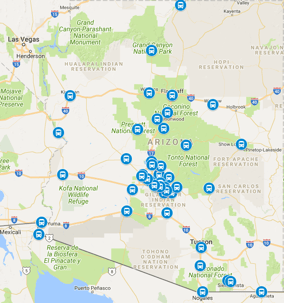
Arizona Shuttle is a transportation company that provides daily shuttle services between major cities and airports in Arizona. Arizona Shuttle offers comfortable and convenient transportation options to many of Arizona's best photography spots, including Antelope Canyon, Horseshoe Bend, and Sedona. With comfortable seats, air conditioning, and experienced drivers, you can relax and enjoy the ride while taking in the stunning Arizona scenery.
Whether you're a seasoned photographer or just starting, Arizona's diverse terrain offers endless opportunities to capture breathtaking shots. With the help of Arizona Shuttle, you can easily access some of the state's most stunning locations and create memories that will last a lifetime.
Frequently Asked Questions
Can I take photos in Antelope Canyon without a guided tour?
No, Antelope Canyon is only accessible by guided tour.
What time of day should I visit Horseshoe Bend for the best river views?
The emerald-green waters and desert landscape look stunning at sunrise or sunset.
Are there specific areas in Sedona recommended for photography?
Yes, Cathedral Rock and Bell Rock offer breathtaking shots of iconic landmarks.
How can I get to Monument Valley from Phoenix Airport?
You can take guided tours of the valley or use transportation services like Arizona Shuttle for convenient travel.
Beyond the Big Five: More Arizona Photography Spots Worth the Drive
The headline spots above get the attention, but Arizona's best photography spots extend well past Antelope Canyon and the Grand Canyon. Of the state's 113,998 square miles, roughly 15% is privately owned, which means an enormous amount of public land is open to explore — and despite its desert reputation, about 27% of Arizona is forest, a share comparable to France or Germany. That variety is exactly why photographers keep coming back: in a single driving day you can shoot red rock at dawn and ponderosa pine forest by afternoon.
Papago Park: Desert Texture, Minutes from Downtown Phoenix
If you're flying in and short on time, Papago Park is the easiest win. Hole-in-the-Rock is the iconic feature here — a sandstone bulb riddled with chambers that frame the desert sky — but walk 50 yards in any direction and you'll find cleaner compositions with far fewer people. The red buttes, saguaros, and Joshua trees give you genuine Sonoran Desert texture without leaving Phoenix city limits, and the neighboring Desert Botanical Garden adds cactus-and-bloom detail work when the light gets harsh.
Downtown Phoenix and Roosevelt Row: Edge, Architecture, and Murals
For urban shooters, downtown Phoenix delivers architectural punch. The Arizona Science Center's sleek shapes and glass reflections make for striking geometric studies, and the convention district's lines and shadows reward a midday visit when landscapes go flat. Two blocks over, Roosevelt Row — the city's arts district — layers murals, movement, and midday bounce into street photography that changes month to month as new walls are painted. Pair the two for a half-day city set that contrasts nicely with your desert work.
Tempe Town Lake: Reflections and Urban Energy
Just east of downtown along State Route 202, Tempe Town Lake offers something rare in the Valley: water. Reflections of A Mountain (Hayden Butte) and the lakeside skyline create urban-energy compositions at sunset, and paddlers and pedestrians give the scene life. It's a convenient golden-hour stop if you're shuttling between Sky Harbor and the East Valley.
Comparing Arizona's Top Photography Spots at a Glance
| Spot | Best Light | Access Notes |
|---|---|---|
| Antelope Canyon (Page) | Midday beams; seasonal | Authorized Navajo guide required; tripods banned since 2019 |
| Horseshoe Bend (Page) | Sunrise or sunset | Short paved walk; crowds build by mid-morning |
| Grand Canyon South Rim | Sunrise / golden hour | Gate entry covers every South Rim viewpoint |
| Sedona / Airport Mesa | Sunset | Hilltop overlook lot; fills in the final hour before sunset |
| Monument Valley | Sunrise, when the Mittens' shadow drops across the valley floor | Guided tour needed for the scenic loop |
| Papago Park (Phoenix) | Golden hour | Free access; minutes from downtown |
| Tempe Town Lake | Sunset reflections | Urban, paved, easy parking |
Times above assume you're chasing the best light, not just the closest parking spot — a point working pros stress repeatedly: arrive roughly 45 minutes before sunrise and stay until the golden hour fully develops, because the interplay between light, water, and stone creates compositions impossible to achieve midday.
Milky Way Photography: Where to Shoot the Night Sky in Arizona
Arizona's dark skies are a genuine competitive advantage. The basics of photographing the Milky Way are well established: shoot on a new moon, use a wide fast lens, keep exposures under about 20 seconds to avoid star trails, and scout your foreground — a lone saguaro, a canyon rim, a butte silhouette — in daylight so you're not composing in the dark.
Where to point the tripod? The drive north on US-89 out of Flagstaff toward Page passes through some of the darkest skies in the country — Flagstaff was the world's first International Dark Sky City. Grand Canyon viewpoints, the forested stretches along the Mogollon Rim, and open desert around Sedona's outskirts all work. Speaking of the Rim: this 1,998-foot escarpment cuts across the central part of the state and marks the southwestern edge of the Colorado Plateau, and its overlooks along State Route 260 give you elevation, horizon, and (in the right season) Milky Way core views with the pines below you. Note that the Rim country saw its second-worst forest fire ever in 2002, so some burned-area vistas offer a different, more stark kind of composition.
Rare Access: The Wave and the Condors of the Vermilion Cliffs
Two of Arizona's most coveted photo subjects near the Utah border are strictly limited. The Wave, the swirling sandstone formation in the Coyote Buttes area, lets only 64 photographers a day past the trailhead — against well over 200,000 applications filed for that chance each year. If you draw a permit, plan for a full day; there is no realistic way to see it and leave the same evening.
Also in the Vermilion Cliffs region, keep your long lens ready for the California condor. With a wingspan of up to 10 feet, this majestic bird was almost extinct only decades ago, and reintroduced populations now soar over northern Arizona's cliffs — a bucket-list wildlife frame for patient photographers. Farther west, the Wahweap Overlook above Lake Powell requires no tour: a short walk from the paved lot rewards you at sunset, when the lake goes gold against the striped Castle Rock formations across the water.
Permits and Etiquette: What Photographers Legally Need to Know
A few rules of the road before you pack the bag. Upper and Lower Antelope Canyon can only be entered with an authorized Navajo guide, and tripods have been banned inside both canyons since 2019 — a big deal for long-exposure work, so practice handheld techniques before your tour. Many of the best spots are free: Papago Park, Roosevelt Row, Tempe Town Lake, and Airport Mesa cost nothing beyond parking, though fees and permit rules change, so verify current rates with each land manager before you go. One more distinction that matters: a hired photographer working commercially on state or federal land is a different case entirely from a visitor with a phone, and commercial shoots typically require permits. When in doubt, contact the managing agency directly — it's faster and cheaper than a citation.
Best Photography Spots in Arizona: What People Ask
What is the most photographed place in Arizona?
The Grand Canyon, by a wide margin — its South Rim viewpoints alone draw millions of visitors annually. Horseshoe Bend and Antelope Canyon near Page are close behind on a per-visitor basis.
Where can I take pictures in Arizona for free?
Plenty of places: Papago Park and Hole-in-the-Rock in Phoenix, Roosevelt Row's murals downtown, Tempe Town Lake, Airport Mesa's sunset overlook in Sedona, and the Wahweap Overlook at Lake Powell all cost nothing to shoot beyond any parking charge.
Do you need permits to photograph in Arizona parks?
For personal photography, generally no beyond standard park entrance fees. Restricted-access sites like Antelope Canyon and The Wave require special access arrangements, and commercial shoots on public land typically require a permit.
What are the best places for family pictures in Phoenix?
Papago Park's Hole-in-the-Rock, the Desert Botanical Garden's perimeter trails, South Mountain Park's overlooks, and themurals of Roosevelt Row are all popular, easily reached options with varied backdrops.
Is Sedona worth the drive for photography?
Yes — Sedona is a destination with depth. Between Cathedral Rock, Bell Rock, the Chapel of the Holy Cross built into a red-rock spur above the highway, and the 14-mile serpentine drive through Oak Creek Canyon where billion-year-old Supai sandstone rises skyward, you can fill several days. The concept rewards drama, movement, and soul.
How do I get to Page and the northern spots from Phoenix?
It's a long drive north via I-17 and US-89. Many photographers book transportation from Phoenix with Arizona Shuttle or its Page route so they can rest rather than drive four-plus hours each way — check our Phoenix to Page guide and our Sedona shuttle guide for route details.
Is it cheaper to shoot these spots yourself than to book a session?
For most locations, yes — your costs are fuel, park entry, and time. Booking a guided photography session buys expertise and access logistics, but self-shooting keeps costs low, especially at the many free spots listed above.