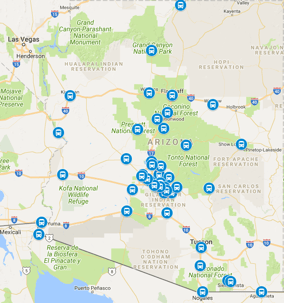
Embark on a magical adventure with Arizona Shuttle as we chase the colorful skies of Arizona. Arizona's sunsets are a sight, from vibrant oranges to deep purples. Let us be your guide as we explore the best spots in the state to witness these breathtaking displays of nature's artistry.
Nogales Shuttle service
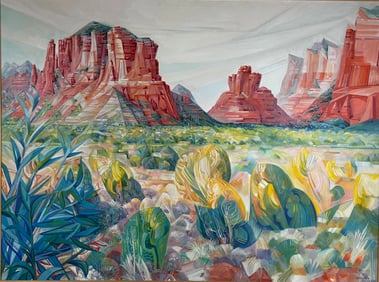
Sedona: A Painted Canvas
Sedona, renowned for its stunning red rock formations, provides a picturesque backdrop for capturing mesmerizing sunsets. Hop on board Arizona Shuttle and head to Sedona's most iconic viewpoints, such as Airport Mesa and Cathedral Rock, where you can witness the sky transforming into a vibrant masterpiece. Sedona shuttle guide
Grand Canyon: Nature's Spectacle
Witness the breathtaking magnificence of the Grand Canyon as the sun sets below the horizon. Arizona Shuttle will take you to prime locations along the rim, such as Yaki Point and Desert View, where you can witness the canyon bathed in warm hues as the sun dips below the horizon. Grand Canyon sunset views Capture these unforgettable moments and create memories that will last a lifetime.
Lake Powell: Reflections of Twilight
Marvel at the captivating reflections of the setting sun on the serene waters of Lake Powell. With Arizona Shuttle, you can reach vantage points like Wahweap Overlook or Lone Rock Beach, where you can witness the sky's vibrant colors mirrored in the tranquil lake. Remember your camera, as every angle offers an incredible photo opportunity.
Monument Valley: Silhouettes and Shadows
Join us on a journey to Monument Valley, where the towering rock formations create a dramatic silhouette against the setting sun. Arizona Shuttle will transport you to iconic viewpoints such as John Ford's Point and Artist's Point, allowing you to capture the contrasting shadows and warm hues that paint the sky.
Scottsdale: Urban Oasis
Arizona's sunsets are a sight, even in the city's heart. Hop on Arizona Shuttle and head to Papago Park or Camelback Mountain, where you can witness the sun's final moments casting a golden glow over the urban landscape. Indulge in the vibrant energy of Scottsdale while capturing stunning sunset photos.
Arizona's colorful skies are waiting to be discovered, and Arizona Shuttle is your gateway to witnessing these awe-inspiring moments. Every Arizona sunset is a unique spectacle, from the iconic landscapes of Sedona and the Grand Canyon to the tranquil waters of Lake Powell and Monument Valley's dramatic silhouettes. Take advantage of capturing these breathtaking moments that will leave you in awe of nature's artistic brilliance. Book your journey with Arizona Shuttle today and embark on a memorable soiree chasing the vibrant hues of Arizona's sunsets.
Why Arizona Skies Stay Colorful After Dark: The Dark Sky Story
Arizona's dazzling sunsets are only half the show. Once the sun dips below the horizon, the state transforms into one of the best stargazing destinations in the world — and that is no accident. The modern dark sky movement traces its roots to Flagstaff in the late 1950s, when the city enacted the world's first outdoor lighting ordinance in 1958. Decades of refinement followed, culminating in Flagstaff's designation in 2001 as the world's first International Dark Sky Community by DarkSky International (formerly the International Dark-Sky Association), an organization headquartered in Tucson.
Today, DarkSky International has certified more than 20 dark sky places across Arizona, including 10 official Dark Sky Parks and numerous communities. These parks preserve Arizona's night sky heritage while educating visitors about light pollution, which affects an estimated 80 percent of the world's population and continues to expand. As the birthplace of the movement, Flagstaff maintains strict lighting standards that keep its skies Bortle Class 2 or better in many areas — meaning the Milky Way is plainly visible to the naked eye.
What Makes a Great Arizona Night Sky?
Whether you are chasing sunsets or shooting stars, three ingredients determine the quality of the view:
- Darkness (low light pollution): The fewer city lights nearby, the more stars you'll see.
- Clear, dry air: Arizona's famous dryness helps, but weather still matters — always check conditions before heading out.
- Elevation and horizon views: Higher elevation often means less haze, and wide open horizons make it easier to see the Milky Way arch and meteor streaks.
Beyond the Sunset: Arizona's Best Stargazing Destinations
Many of the same sunset viewpoints featured above double as world-class stargazing locations. Here is how Arizona's top night sky destinations compare:
| Destination | Night Sky Character | Best For |
|---|---|---|
| Flagstaff Area (US 89, SNRA) | High elevation, clear air, Bortle Class 2 or better | Astronomy culture and easy access from town |
| Sedona (SR 89A) | Dark skies framed by red rock silhouettes | Night photography with dramatic foregrounds |
| Page Area (US 89, near Lake Powell) | Open horizons and huge night skies over canyon country | Milky Way arches and a sense of scale |
| Organ Pipe Cactus National Monument (SR 85) | Remote "deep desert" darkness | Jaw-dropping darkness far from any city |
| Petrified Forest National Park (I-40 / US 180) | Big horizons and "different Arizona" night vibes | Otherworldly Painted Desert landscapes |
| Prescott National Forest | Cooler nights, pine-scented air, quiet pull-offs | Forest stargazing with fewer desert bugs |
Flagstaff: America's Astronomy Base Town
Flagstaff is one of the best "base towns" for stargazing because you can grab dinner and stock up on snacks downtown, then drive a short distance to much darker skies. Visitors can combine daytime exploration of Historic Downtown and Route 66 with nighttime programs at Lowell Observatory on Mars Hill, where Pluto was discovered in 1930. Nearby, Sunset Crater Volcano National Monument off US 89 features a dramatic cinder cone formed by volcanic eruptions around 1085 CE, creating a stark volcanic landscape that contrasts beautifully with the star-filled sky above.
Southern Arizona's Desert Oases
Moving south toward Tucson, Oracle State Park earned its International Dark Sky Park designation in 2014 as one of the earliest in the Arizona State Park system. Kartchner Caverns State Park, designated in 2017, combines world-famous underground cave wonders with exceptional above-ground dark skies along SR 90 near Benson.
Mission Ruins and Urban Night Skies
Tumacácori National Historical Park, south of Tucson along the I-19 corridor, received Dark Sky Park status in 2018, protecting the night skies over its historic Spanish mission ruins — a truly atmospheric setting after sunset. Closer to the city, Saguaro National Park was certified as an Urban Night Sky Place in 2023, an innovative approach to dark sky preservation near metropolitan areas that proves you don't need to drive for hours to find stars.
Catching a Meteor Shower in Arizona
Arizona's dark skies make meteor showers especially rewarding. The best viewing times for meteor showers typically occur between midnight and 3 a.m., when your side of the Earth faces directly into the meteor stream. If you miss the famous August Perseids, the Orionid Meteor Shower in October is a less crowded alternative, producing around 20 meteors per hour at its peak. Pair a Sedona or Grand Canyon sunset trip with a late-night meteor watch, and you'll experience both of Arizona's colorful skies in a single outing.
Planning Your Arizona Sky-Chasing Trip: Practical Safety Tips
A little preparation goes a long way when you're out after dark:
- Don't wander into unknown terrain. Avoid walking far from your car in the dark — desert terrain hides dips, cactus, and wildlife.
- Respect private property and posted signs. Some "perfect dark spots" you might find online are on private land.
- Watch weather and road conditions. Monsoon storms in summer and winter ice at higher elevations can change conditions quickly, especially on highways like I-17, SR 89A, and US 89.
- Use red-light mode on headlamps and phones to preserve your night vision and that of fellow stargazers.
- Let a professional handle the driving. After a long day of sunset chasing and a late night under the stars, a door-to-door shuttle lets you rest instead of navigating unfamiliar desert highways.
Getting Around Arizona's Sky Country
Arizona's premier sunset and stargazing locations are spread across hundreds of miles — from Phoenix, routes like I-17 lead north to Flagstaff and Sedona, while US 89 continues to Page and Lake Powell, and I-10 heads south toward Tucson and the state parks of southern Arizona. Airport Shuttle of Phoenix, based at 4600 E Washington St Ste 300, Phoenix, AZ 85034, provides transportation to any address or door in the state on your schedule, 24/7. Whether you're planning a sunset dinner in Scottsdale, a red rock evening in Sedona, or a midnight meteor session near the Grand Canyon, you can arrange a ride that fits your itinerary — call (480) 710-3441 to plan your sky-chasing route.
Frequently Asked Questions About Arizona's Colorful Skies
Why are Arizona sunsets so colorful?
Arizona's combination of clear, dry air, high elevation, and dramatic landscapes amplifies sunset colors. Dry air scatters less light, allowing vivid oranges, pinks, and purples to reach your eyes, while red rocks, canyon walls, and desert vegetation reflect and frame those hues.
When is the best time of night for stargazing in Arizona?
The best viewing times for meteor showers typically occur between midnight and 3 a.m. For general stargazing, plan for at least an hour after sunset so the sky reaches full darkness, and choose nights near a new moon for the darkest conditions.
What is the Orionid Meteor Shower and when can I see it?
The Orionid Meteor Shower occurs in October and is a less crowded alternative to the Perseids, producing around 20 meteors per hour. Arizona's dark sky parks and remote desert areas offer excellent viewing during the peak.
Is Flagstaff really the world's first dark sky city?
Yes. Flagstaff enacted the world's first outdoor lighting ordinance in 1958 and was designated the world's first International Dark Sky Community in 2001 by DarkSky International. The city's strict lighting standards keep skies Bortle Class 2 or better in many areas.
Can I stargaze near Phoenix without a long drive?
Yes. Saguaro National Park near Tucson was certified as an Urban Night Sky Place in 2023, showing how destinations near metro areas can offer quality night skies. Papago Park and Camelback Mountain in the Scottsdale and Phoenix area are popular for sunset viewing, though darker skies improve the farther you drive from city lights.
What should I bring for a night of sky watching?
Bring layers — desert and high-elevation temperatures drop sharply after sunset — plus water, snacks, a red-light flashlight, and a camera with a tripod if you plan to photograph the Milky Way. Check weather and road conditions before you go, as monsoon storms and winter ice can affect mountain routes.
How do I get to Arizona's dark sky parks without driving myself?
Airport Shuttle of Phoenix offers door-to-door service across the state on your schedule, 24/7, including destinations like Sedona, the Grand Canyon, Page, and Flagstaff. Call (480) 710-3441 or book online to arrange transportation that lets you focus on the skies instead of the road.