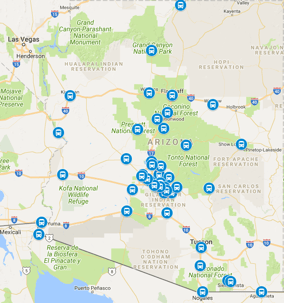
Arizona is home to a few of the most stunning landscapes in the United States, and a road trip from Phoenix to Flagstaff is one of the best ways to experience the state's natural beauty. Phoenix to Flagstaff travel guide With Arizona Shuttle, travelers can sit back, relax, and enjoy the ride as they make their way through Northern Arizona. Here are some of the must-see stops along the way:
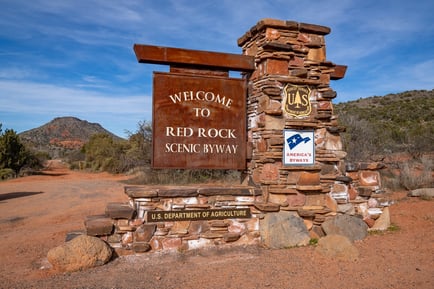
Sedona: The Red Rock Gem
Sedona is a stunning town located about two hours north of Phoenix. Phoenix Airport to Sedona shuttle Known for its red rock formations and breathtaking vistas, Sedona is the perfect place to stretch your legs and take in the natural beauty of Arizona. Sedona trip cost breakdown Visitors can hike the famous Cathedral Rock Trail, explore the charming downtown area, or drive through the stunning red rock formations.
Montezuma Castle National Monument: Ancient History
Just a short drive from Sedona is Montezuma Castle National Monument. This well-preserved cliff dwelling was built by the Sinagua people over 800 years ago and offered a fascinating glimpse into the area's history. Visitors can explore the remains and learn about the culture and traditions of the Sinagua people.
Jerome: A Ghost Town with a Vibrant Present
Jerome is a small town about 30 minutes from Sedona, once a booming copper mining town. Today, it's known for its stunning views, charming shops, and vibrant art scene. Visitors can take a ghost tour of the city, explore the historic buildings, or visit one of the many galleries and studios.
Flagstaff: Gateway to the Grand Canyon
The final stop on this trip is Flagstaff, a charming mountain town that is the gateway to the Grand Canyon. Visitors can explore the historic downtown area, visit the Lowell Observatory, or take a day trip to the nearby Meteor Crater. Of course, the main attraction in Flagstaff is the Grand Canyon, which is just a short drive away. Visitors can opt for a guided tour of the canyon or explore independently.
Traveling with Arizona Shuttle
The Arizona Shuttle is the perfect way to explore Northern Arizona without the hassle of driving. With comfortable seats, air conditioning, and experienced drivers, Arizona Shuttle makes it easy to sit back, relax, and enjoy the scenery. Plus, with multiple pick-up and drop-off locations, travelers can customize their road trips to fit their schedules and interests.
A road trip from Phoenix to Flagstaff is an unforgettable way to experience the natural beauty of Northern Arizona. With stops in Sedona, Montezuma Castle National Monument, Jerome, and Flagstaff, this trip has something for everyone. And with Arizona Shuttle, travelers can sit back, relax, and enjoy the ride.
Extending Your Trip: More Must-See Stops in Northern Arizona
If you have extra time beyond the classic Phoenix-to-Flagstaff route, Northern Arizona rewards travelers who linger. The region packs national monuments, state parks, scenic byways, and historic towns into a compact area, most of it connected by Interstate 17, State Route 89A, and US Route 180. Here are the stops locals recommend adding to your itinerary.
Oak Creek Canyon: The Scenic Drive Between Sedona and Flagstaff
Instead of taking Interstate 17 all the way to Flagstaff, detour onto State Route 89A through Oak Creek Canyon. This winding canyon road is often ranked among the most scenic drives in America, with towering red rock walls, rushing creek crossings, and dense Ponderosa pine forest as you climb toward the Mogollon Rim. Midway through the canyon, Slide Rock State Park offers a natural rock waterslide where visitors cool off in Oak Creek during the warmer months. Continue north to the Oak Creek Vista Overlook near the top of the switchbacks for panoramic views and Native American craft vendors. Note that this route adds time compared to the freeway, so plan accordingly if you have a fixed schedule.
Tuzigoot National Monument and the Verde Valley
West of Sedona, near the towns of Clarkdale and Cottonwood, Tuzigoot National Monument preserves a large hilltop pueblo built by the Sinagua people. Like Montezuma Castle, it offers a window into centuries of Indigenous life in the Verde Valley, but Tuzigoot's hilltop setting provides sweeping views over the valley and the Verde River. Cottonwood itself has become a destination in its own right, with a walkable Old Town district full of tasting rooms, restaurants, and shops. The Verde Valley Railroad, a heritage railway running scenic excursions from Clarkdale, is another popular way to experience the area.
Walnut Canyon, Sunset Crater, and Wupatki: Flagstaff's Backyard Monuments
Flagstaff is surrounded by national monuments that make excellent half-day trips. Walnut Canyon National Monument, just east of town off Interstate 40, protects cliff dwellings tucked into a deep limestone canyon, reachable via the popular Island Trail. North of Flagstaff along US Route 89, Sunset Crater Volcano National Monument preserves a volcanic landscape of cinder cones and lava flows, and the adjacent Wupatki National Monument features ancient Puebloan pueblos set against the painted desert. All three can be combined into a single loop drive using the paved forest roads that connect Sunset Crater and Wupatki.
The Grand Canyon: Planning Your South Rim Visit
The Grand Canyon remains the headline attraction of any Northern Arizona trip, and the South Rim is the most accessible section from Flagstaff, reached via US Route 180 and State Route 64 through the town of Tusayan. The drive from Flagstaff takes roughly an hour and a half under normal conditions. Once inside the park, the Rim Trail offers relatively flat walking with constant canyon views, while the Desert View Watchtower on the park's eastern edge combines architecture with sweeping vistas of the Colorado River gorge. Mather Point and Yavapai Geology Museum are classic first stops. Because the park is busy much of the year, arriving early in the morning is the simplest way to avoid parking headaches. Travelers who prefer not to drive can use shuttle buses that operate inside the park on the South Rim.
Sedona vs. Flagstaff vs. Grand Canyon Village: Which Base Is Right for You?
Many visitors ask where they should base themselves while exploring Northern Arizona. Each hub offers a different experience, and the right choice depends on your priorities. The table below compares the three most popular bases.
| Base | Best For | Scenery | Key Drawbacks |
|---|---|---|---|
| Sedona | Hiking, red rock views, wellness retreats, art galleries | Iconic red rock formations and Oak Creek | Heavy traffic and limited parking in peak season; roughly two hours from the Grand Canyon |
| Flagstaff | A central base for day trips, cool mountain weather, Route 66 history, astronomy | Ponderosa pine forest at high elevation, with the San Francisco Peaks nearby | No red rock scenery in town; snowy winter driving conditions are possible |
| Tusayan / Grand Canyon area | Maximizing time at the Grand Canyon, sunrise and sunset viewing | Immediately adjacent to the South Rim | Limited lodging and dining options; far from other attractions |
For most first-time visitors, splitting time between Sedona and Flagstaff offers the best balance of scenery, dining, and access to the Grand Canyon.
Seasonal Guide: When to Explore Northern Arizona
One of Northern Arizona's unique traits is that it behaves like a different climate zone from Phoenix. Flagstaff sits at high elevation in the world's largest contiguous ponderosa pine forest, which means four true seasons.
Spring
Mild days make spring ideal for hiking in Sedona and the Verde Valley, though higher elevations around Flagstaff can still hold snow early in the season. Wildflowers begin appearing along desert roadways in the lower elevations.
Summer
Summer is high season. Phoenix residents escape the heat by heading north, so expect crowds in Sedona and at the Grand Canyon. Afternoon monsoon thunderstorms are common from midsummer into early fall, typically building in the afternoon and clearing by evening. Slide Rock State Park is at its best in summer when creek water levels are inviting.
Fall
Autumn brings golden aspen color to the San Francisco Peaks above Flagstaff, usually peaking in early to mid-fall at the highest elevations. The Arizona Snowbowl ski area operates its scenic chairlift rides during the warmer months, offering views from the state's highest point.
Winter
Winter transforms Flagstaff and the Grand Canyon's South Rim into a quieter, snow-dusted landscape. The Arizona Snowbowl runs ski and snowboard operations on the San Francisco Peaks. Roads to the Grand Canyon and through Oak Creek Canyon can be affected by snow, so check road conditions with the Arizona Department of Transportation before traveling.
Practical Tips for Exploring Northern Arizona
- Layer your clothing. A single day can start cold in Flagstaff and end warm in Sedona, thanks to the elevation change between the two towns.
- Carry water. Arizona's dry climate dehydrates visitors faster than expected, even in cooler months.
- Check national park and monument access. Some sites require timed entry or have capacity limits during busy periods, so confirm current details on the National Park Service website before you go.
- Respect tribal lands. Parts of Northern Arizona, including areas around the Grand Canyon's western reaches, lie on sovereign tribal nations such as the Havasupai and Navajo Nation. Permits or access rules may apply, and cultural sites should always be treated with respect.
- Book lodging early. Sedona and the Grand Canyon area regularly sell out during spring break, summer, and fall foliage season.
Frequently Asked Questions About Exploring Northern Arizona
How far is the Grand Canyon from Phoenix?
The Grand Canyon's South Rim is roughly a three-and-a-half-hour drive from Phoenix under normal traffic conditions, typically routed via Interstate 17 to Flagstaff and then US Route 180 and State Route 64. Many travelers break up the drive with stops in Sedona or Jerome.
Is Sedona or Flagstaff a better home base?
Choose Sedona for red rock hiking, scenery, and resort-style amenities. Choose Flagstaff if you want cooler weather, a Route 66 downtown, and the shortest drive to the Grand Canyon. Flagstaff is also more practical in winter for travelers who want to ski or see snow.
Can you visit the Grand Canyon in one day from Phoenix?
Yes, a one-day visit to the South Rim from Phoenix is doable, though it makes for a long day. Starting early, driving straight to the park, and focusing on the Rim Trail between Mather Point and the Grand Canyon Village area lets you see the canyon's highlights without rushing. Staying overnight in Flagstaff or Tusayan makes the trip far more relaxed.
What is the best time of year to drive through Oak Creek Canyon?
Oak Creek Canyon is beautiful year-round, but late spring through early fall offers the most reliable weather, and early fall adds fall color at the canyon's higher elevations. In winter, check road conditions, as the upper canyon can occasionally see snow and ice on State Route 89A.
Do I need to be an experienced hiker to enjoy Northern Arizona?
No. While challenging trails like Cathedral Rock attract experienced hikers, there are plenty of accessible options, including the paved Rim Trail at the Grand Canyon, the overlooks along Oak Creek Canyon, the walkable paths at Montezuma Castle and Tuzigoot, and easy strolls through Sedona's uptown district and Flagstaff's historic downtown.
How do I get around Northern Arizona without renting a car?
Shuttle service connecting Phoenix with Northern Arizona destinations is the most practical option for car-free travelers, and Flagstaff's downtown is compact enough to explore on foot. Within Grand Canyon National Park, free shuttle buses circulate along the South Rim. For excursions beyond town centers, guided tours from Flagstaff and Sedona cover the Grand Canyon and other highlights.
What should I pack for a Northern Arizona road trip?
Pack in layers: a light shirt for warm afternoons, a warm jacket for cool mornings and evenings, sturdy walking shoes, sun protection including sunscreen and a hat, and plenty of water. In winter, add traction-friendly footwear and check road conditions before heading to higher elevations.