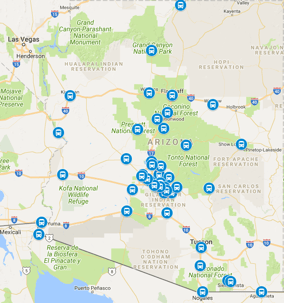
Arizona is the 6th largest and 14th most populous among the 50 states. The capital of Arizona is Phoenix; it is the largest city. The state is famous for its desert climate, as southern Arizona experiences scorching summers and mild winters. And northern Arizona is a treasure of forests, plateaus, and large canyons with moderate summer and heavy snowfall during winters. guide to northern Arizona The rich history of this state is preserved in many museums that narrate the stories through their ancient artifacts and remains. Planning this trip? Door-to-door service is available on our Glendale Shuttle service page.
But Arizona has many outing Activities for locals or visitors to spend their day on. top casinos in Arizona These outdoor activities are focused on giving you the best experience with all the safety measures in mind. So take a look at the outdoor activities to be explored in Arizona.
Outdoor Activities Of Arizona
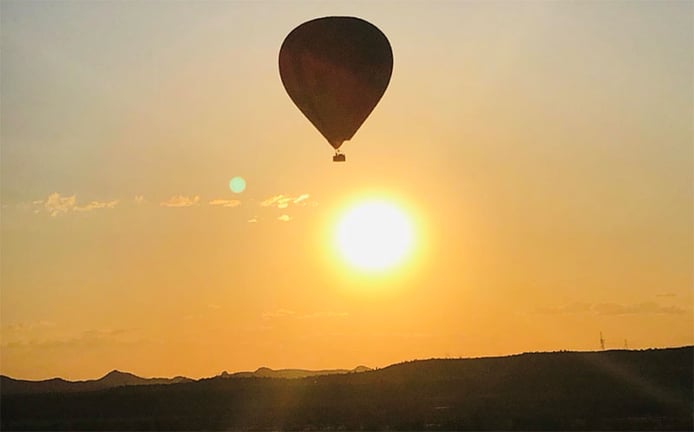
Rainbow Ryders Hot Air Balloon Ride
View the best aerial views with America’s No.1 balloon ride company. They have different rides, as mentioned below. Allow yourself to have a bird's eye view of the beautiful surroundings.
Sunrise balloon ride - you can view the beautiful sunrise and scenic surroundings as you go above deer valley and the Sonora desert vistas.
Sunset balloon ride - during the sunset, you set up to enjoy the views of the Sonoran desert backdrop, giving you a breathtaking experience.
Private sunrise balloon ride - They offer private balloon rides to allow you to get the exclusive experience where you and your partner will be accompanied by their renowned pilots.
Private sunset balloon ride- the sunset rides are offered only from November to March. They are set to give you an exclusive experience. You can even book the ride for parties or celebrations for more than two.
Verde Canyon Railroad Adventure
You can enjoy a 4-hour train journey that takes you through the beauty and wilderness near Sedona. trip to Sedona from Phoenix The Verde canyon railroad serves light refreshments. You will come across ancient cliff-dwelling buildings, historic mining sites, and many other amazing views. You can opt to ride in the vintage train or open-air viewing car.
Mt. Lemmon Rock Climbing
Get a half-day rock climbing adventure experience where you can learn to rock climb, and rappel down a waterfall; if you already have experience, then put your skills into practice. The activity is performed with all the safety measures, and the gears used are inspected after and before use. So plan your visit with family and friends to make the best moments.
Arizona shuttle gives the best services with expert drivers and budget-friendly services. We offer SUVs, shuttle service, and pre-booked luxury cars to fit your needs and comfort. Our drivers will pick you for any address with the flexibility of change in the date and time without any charge. Our services are available 24/7, so book your ride. For more information, contact (480) 710-3441.
Scenic Drives: Arizona’s Iconic Road Trips
Intro paragraph: "If you prefer to experience Arizona’s scenery from the comfort of your vehicle, the state’s network of scenic byways and historic routes offers everything from desert sunsets to mountain vistas." Subheads:Red Rock Scenic Byway (SR 179) & US 93 to Wickenburg
SR 179 winds through Sedona’s red‑rock formations, passing key stops like Chapel of the Holy Cross, Slide Rock State Park, and the iconic “Cathedral Rock” viewpoint. Continuing north on US 93, the route transitions into high desert, offering views of the historic mining town of Wickenburg, where the highway intersects with AZ 60 (Source: Arizona Leisure). The entire stretch is paved and suitable for any vehicle, with pull‑outs every few miles.
High‑Altitude Corridor: AZ‑89A Through Flagstaff & the San Francisco Peaks
AZ‑89A climbs from the Verde Valley into the Coconino Plateau, crossing the historic town of Jerome—a former copper mining hub now turned artist enclave—before reaching Flagstaff. From Flagstaff, US 180 leads to the Grand Canyon’s South Rim, while FR 516 branches off to the Sunset Crater Volcano National Monument (Source: Arizona Leisure). Summer travelers enjoy cool temperatures in the 60‑70 °F range, while fall brings aspens that turn the hillsides golden.
Historic Route 66: Kingman to Seligman
The 180‑mile stretch of Route
Outdoor Adventures In Arizona By Region
One of the reasons Arizona stands apart from other destinations is that it packs dramatically different landscapes into a single state. Elevations range from under 100 feet along the Colorado River in the Mohave region to over 12,000 feet in the San Francisco Peaks near Flagstaff. That means temperatures can vary by more than 30 degrees in just a few hours of driving — so the best outdoor adventure for you depends heavily on where you point your car.
Northern Arizona: Canyons, Mountains, and Route 66
Northern Arizona features cool mountain forests, alpine lakes, the Grand Canyon, and famous Route 66 towns like Williams and Seligman, all connected by Interstates 17 and 40. The crown jewel here is, of course, the Grand Canyon. If you want the ultimate challenge, hike the Rim to Rim trail — roughly 21 to 24 miles depending on your route — which descends from the North Rim to the Colorado River and climbs back up to the South Rim, passing through five distinct ecological zones along the way. Be warned: the inner canyon is genuinely dangerous in summer, with temperatures routinely exceeding 110°F on the Bright Angel Trail below Indian Garden (per Grand Canyon National Park guidance). Plan a spring or fall crossing, and reserve lodging well in advance.
Red Rock Country: Sedona and the Verde Valley
Sedona, about 45 minutes south of Flagstaff via Highway 89A through Oak Creek Canyon, has a near-mythical reputation among mountain bikers — and one day on its trails explains why. The Hiline Trail is the crown jewel: a 12-mile technical route that hugs the rim of a mesa with vertiginous drops on one side and cathedral rock walls on the other. The broader network covers roughly 200 miles of singletrack and is consistently ranked among the top trail systems in North America. Sedona's elevation of 4,500 feet keeps temperatures manageable even in summer. Prefer a slower pace? Horseback rides and jeep tours through the Red Rock-Secret Mountain Wilderness depart daily, and trailhead access is easy via Schnebly Hill Road and the Bell Rock area along Highway 179.
Phoenix and Scottsdale: Urban Desert Adventures
Among Phoenix's urban outdoor experiences, Camelback Mountain is the benchmark. Two trails reach the summit from Echo Canyon Recreation Area at 4925 E. McDonald Dr. — the Echo Canyon Route and the Cholla Trail — both roughly 1.2 to 1.5 miles each way and brutally steep. This hike draws enormous crowds, and parking fills completely by 7 a.m. in busy seasons, so arrive early. Scottsdale and nearby Chandler also offer extensive greenbelt walking paths, desert preserves, and horseback riding in the McDowell Sonoran Preserve.
Page and the Navajo Nation: Slot Canyons and Waterfalls
Most people know Antelope Canyon from photographs — those luminous, undulating sandstone slots near Page where light falls in columns like something out of a cathedral. Seeing it in person, on Navajo Nation land, is even better. Nearby, the Grand Staircase of Lake Powell adds boating and fishing to the mix. Farther south, Havasu Falls on Havasupai Tribal Lands may be the single most spectacular waterfall in North America accessible on foot: it plunges 90 feet into a pool of turquoise water surrounded by red rock walls and cottonwood trees. Reaching it requires a permit from the Havasupai Tribe, advance planning, and a 10-mile hike into a side canyon of the Grand Canyon — a natural filter that keeps the canyon from becoming overcrowded.
Best Times To Visit Arizona for Outdoor Activities
Timing is everything in Arizona. In Phoenix at 800 feet of elevation, temperatures will be 25 to 30 degrees hotter than in Flagstaff at 7,000 feet — and even hotter differences appear at 8,000 feet at the Grand Canyon or in the White Mountains. Use this quick guide to match your activity to the season:
| Season | Best Region | Recommended Activities |
|---|---|---|
| March–May | Phoenix, Scottsdale, Tucson | Camelback hikes, desert wildflowers, hot air balloon rides |
| June–August | Flagstaff, Grand Canyon rims, White Mountains | Alpine hiking, mountain biking, stargazing — escape the desert heat |
| September–November | Statewide | Sedona trails, Verde Canyon Railroad, Rim to Rim crossings |
| December–February | Southern Arizona lowlands | Saguaro National Park, scenic drives, mild-winter hiking |
September is a particularly smart shoulder-season choice: desert temperatures begin easing while the high country still holds warm, clear days.
Stargazing and Dark Sky Parks

Arizona contains more certified International Dark Sky Parks than any other state in the U.S., thanks to its dry air, high elevation, and minimal light pollution. Visit Kitt Peak National Observatory at 950 N. Cherry Ave. in Tucson — one of the world's premier astronomical research facilities, offering guided nighttime viewing programs — or head to Oracle State Park at 3820 Wildlife Dr. in Oracle, a designated Dark Sky Park about 40 minutes north of the city. Bring layers; even summer nights get chilly at these elevations.
Planning Your Arizona Vacation
Whether you're planning a weekend getaway or an extended Arizona vacation, you'll find world-class hiking, boating, fishing, scenic drives, national parks, historic Route 66 towns, wildlife viewing, and countless outdoor adventures. The state is also rich in Native American history — from the Navajo Nation's slot canyons to the Havasupai's waterfall paradise — and Route 66 culture, making it a destination with both natural beauty and cultural significance. Map your distances carefully: attractions that look close on a map can be three hours apart, and average high and low temperatures will differ by 30 degrees within a two-hour drive in almost any direction. Pack for both the desert and the mountains, and you'll be ready for anything.
Frequently Asked Questions About Outdoor Activities in Arizona
Why visit Arizona for outdoor adventures?
Few places on earth offer this much variety: the Grand Canyon, 200 miles of Sedona singletrack, slot canyons, waterfalls, alpine forests, and dark skies — all within one state's borders, with the climate diversity to enjoy something outdoors year-round.
What is the most famous outdoor activity in Arizona?
Hiking the Grand Canyon, hands down. From short rim walks to the grueling Rim to Rim traverse, it's the experience that defines outdoor recreation in the state.
Do I need permits for any Arizona outdoor activities?
Yes — the Havasupai Trail to Havasu Falls requires a permit from the Havasupai Tribe booked well in advance, and Antelope Canyon can only be visited with an authorized Navajo Nation tour. Check official sources before you travel.
How hot does it get on Arizona hiking trails?
Inner-canyon temperatures routinely exceed 110°F on the Bright Angel Trail below Indian Garden in summer. Always carry more water than you think you need and hike early.
What's the best month to visit Sedona?
Spring and fall offer ideal trail weather, though Sedona's 4,500-foot elevation keeps conditions workable even in summer months.
Is Arizona good for stargazing?
Exceptionally so. With more certified International Dark Sky Parks than any other state, plus Kitt Peak National Observatory near Tucson, Arizona is one of the best stargazing destinations in the country.
How do I get around Arizona to reach these outdoor spots?
Most trailheads and parks require a car — Interstates 17, 40, and 10 plus scenic highways like 89A and 179 connect the major regions. For airport transfers and door-to-door service in the Phoenix metro area, our Arizona shuttle team is available 24/7 at (480) 710-3441.