The Japanese Friendship Garden of Phoenix is a Japanese stroll garden, a joint project of the sister cities Phoenix, Arizona, and Himeji, Japan. The name is a combination of three Japanese words. The Japanese named it Rohō-en. In 2004, it was called Phoenix Point of Pride by the City of Phoenix.
Sedona to Phoenix shuttle service
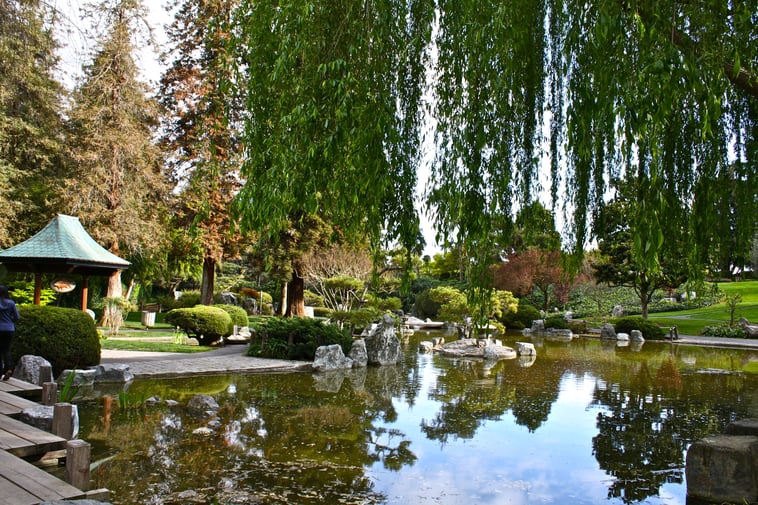
Himeji, Japan became a Phoenix Sister City in November 1976. The garden is known for its shared cultural vision of the cities of Phoenix and Himeji. transportation to Himeji local travel options This garden is a non-profit organization in partnership with the City of Phoenix parks and recreation department and the Sister City of Himeji, Japan. transportation options in Phoenix The park opened to the public in the year 2002. The two gardens actively promote each other's gardens as signed in the sister garden affiliation in 2017. best ways to reach Phoenix traveling from Phoenix It can be described as a little park with beautiful Japanese sculptures and plants among the ponds and streams joining the park's natural features. traveling from Phoenix
This park features :
Stroll Garden this place gives you the look of its central ponds and waterfalls, creating a refreshing ambiance for its visitors. And giving them a break from the worries of their hectic lifestyles.
Tea Garden, which includes a tea house serving authentic tea, has been practiced for 25 years. The tea house opens once per month for the ceremonies as per reservation.
A Stone Garden, this place exhibits all varieties of stone and their beautiful creations. This place features several stone lanterns, a massive stone pagoda, and many stone bridges over the water bodies.
A Courtyard Garden is a place proven to be designed to give you a novel experience. This place can inspire you.
These gardens have a collection of 1,500 tons of handpicked rock, stone footbridges, lanterns, and over 50 varieties of plants, with streams, waterfalls, and a koi pond consisting of over 300 koi fish. These handpicked rocks are collected from quarries, lake shores, steam beds, and many such places. The plants showcased here are chosen as they can withstand the desert's vigorous environment and also showcase the serenity of a Japanese garden.
This place can give you the experience of Japanese culture and feels without having to travel that far. Our services are available 24/7. We provide SUVs, shuttle service, and pre-booked limos to enjoy the luxuries. Book your ride now for the best experiences and memory creation journey. For more information, contact us at (480) 710-3441.
Frequently Asked Questions
What time does the tea house in the Japanese Friendship Garden open for ceremonies?
The tea house opens once per month for ceremonies as per reservation.
Can I see koi fish at the Japanese Friendship Garden?
Yes, there is a koi pond with over 300 koi fish.
What types of plants are featured in the garden to withstand the desert environment?
The garden showcases over 50 varieties of plants chosen for their ability to thrive in the desert's conditions.
How did Phoenix and Himeji become sister cities?
Himeji, Japan became a Phoenix Sister City in November 1976.
The Japanese Friendship Garden of Phoenix sits at 1125 N. 3rd Avenue, in the heart of downtown Phoenix, within Margaret T. Hance Park. This is a detail that surprises many first-time visitors: Hance Park is a "deck park," built atop the tunnel section of the Papago Freeway (Interstate 10) as it passes beneath the downtown core. That means this serene, 3.5-acre garden — a collaboration between Phoenix and its Japanese sister city, Himeji — sits directly above one of the busiest freeway corridors in Arizona.
The location is remarkably convenient for visitors coming from anywhere in the metro area:
- From the Interstate 17 corridor: the garden is a short drive from the I-17/Interstate 10 downtown interchange, making it an easy stop for travelers arriving from Flagstaff or north Phoenix.
- From the State Route 51 corridor: visitors coming down SR 51 from Arcadia, the Biltmore area, or Paradise Valley can connect via I-10 west and reach the garden in minutes.
- By Valley Metro light rail: the light rail line runs along Central Avenue, and the Roosevelt/Central Ave station puts you within easy walking distance of the garden's entrance — a car-free option many downtown visitors prefer.
Nearby cultural anchors make it easy to build a full day around your visit: the Burton Barr Central Library and Steele Indian School Park are just up Central Avenue, while the Phoenix Art Museum and the Heard Museum — home to one of the country's most respected collections of Native American art — are both a short distance away along the Central Avenue corridor.
Why the Name "Rohō-en" Fits Phoenix Perfectly
The garden's Japanese name, Rohō-en, is more than a label — it is a story about the partnership between two cities. "Ro" means heron, a reference to Himeji and its famous White Heron Castle (Shirasagi-jo), one of Japan's most celebrated landmarks. "Ho" refers to the phoenix, the mythical bird for which our city is named. "En" means garden. Together, the name ties the two sister cities into a single idea: a heron and a phoenix sharing one garden.
That symbolism carried through to the 2017 sister garden affiliation, in which the gardens of Phoenix and Himeji formally agreed to promote one another. When you walk the paths at Rohō-en, you are not simply visiting a park — you are walking through a piece of an international relationship that began in November 1976 and continues today.
What to See at the Garden: A Quick Comparison
The existing guide covers the four main garden areas in depth. The table below pulls them together so you can plan your route and know what to look for in each one:
| Garden Area | What It Is | What to Look For |
|---|---|---|
| Stroll Garden | The heart of the garden, designed around ponds and waterfalls | Koi pond with over 300 koi; paths that reveal new views as you walk |
| Tea Garden | A traditional tea garden with a tea house used for authentic ceremonies | Monthly tea ceremonies by reservation — a tradition practiced for 25 years |
| Stone Garden | An exhibition of stonework in its many forms | Stone lanterns, a massive stone pagoda, and stone bridges over the water |
| Courtyard Garden | An intimate, contemplative space | A quieter corner designed to inspire — ideal for pausing mid-visit |
One detail worth lingering on: the garden's 1,500 tons of handpicked rock were gathered from quarries, lake shores, and stream beds, with each stone selected rather than purchased by the truckload. In Japanese garden design, stone placement is considered a foundation of the entire composition — so as you cross the stone footbridges or pass the lanterns, you are seeing choices made deliberately, one rock at a time.
Best Time of Year to Visit the Japanese Friendship Garden
Like most outdoor attractions in the Valley of the Sun, the garden is at its most comfortable during Phoenix's cooler months, roughly October through April. During this stretch, daytime temperatures make a slow stroll around the ponds genuinely pleasant, and the desert light in the morning is especially good for photography.
Summer visits are still possible, but plan around the heat: Arizona summers regularly exceed 110°F, so arrive at opening time, bring water, and keep your visit brief. The garden's desert-adapted plants — chosen specifically because they can withstand the desert's vigorous environment — hold up beautifully in the heat, but visitors should follow the same common-sense precautions they would for any summer outing in Phoenix.
Hours and seasonal schedules change throughout the year, and the tea house opens only once per month for ceremonies by reservation. Before you go, confirm current hours and availability on the garden's official website rather than relying on third-party listings, which are often out of date.
How Long Should You Plan for a Visit?
Most visitors find that the garden rewards a slow pace. Because it is a stroll garden — a design style meant to be experienced by walking a path that unfolds a new scene at every turn — you'll get the most from an unhurried visit rather than a quick loop. Pair it with lunch or coffee downtown, or combine it with the Phoenix Art Museum or the Heard Museum for a full day of culture within a few blocks of the Central Avenue corridor.
If you're flying into Phoenix Sky Harbor International Airport, the garden is a straightforward trip up the I-10 or the SR 202/51 connections into downtown — close enough to make it a realistic first stop after landing, especially if you've arranged a shuttle or pre-booked ride in advance rather than navigating downtown parking on arrival.
Frequently Asked Questions About Visiting Rohō-en
Where exactly is the Japanese Friendship Garden of Phoenix?
The garden is located at 1125 N. 3rd Avenue in downtown Phoenix, within Margaret T. Hance Park — the deck park built above the Papago Freeway tunnel section of Interstate 10.
Can I reach the garden by light rail?
Yes. The Valley Metro light rail runs along Central Avenue, and the Roosevelt/Central Ave station is within easy walking distance of the garden's entrance.
When is the best time of year to visit?
Phoenix's cooler months, roughly October through April, offer the most comfortable weather for strolling the garden's paths. In summer, visit early in the day and bring water.
How much does admission cost?
Admission rates change over time and vary by season and event, so we won't quote figures here — check the garden's official website for current pricing and any reservation requirements before your visit.
How long does a visit take?
Because Rohō-en is a stroll garden designed to reveal new views as you walk, an unhurried visit rewards you most. Allow enough time to enjoy the ponds, the tea garden, and the stone garden at a relaxed pace.
Is the garden accessible for visitors with mobility needs?
The garden includes gravel and stone pathways typical of Japanese garden design, which may be uneven in places. Visitors with specific accessibility questions should contact the garden directly for the most current information.
Can I attend a tea ceremony at the garden?
Yes. The tea house hosts authentic tea ceremonies once per month, by reservation. Because seats are limited and dates vary, book ahead through the garden's official channels.